Lithium vs AGM Car Battery
Lithium vs AGM car batteries are two popular choices for vehicle power sources. Lithium batteries provide lighter weight and faster charging capabilities, making them attractive for performance-oriented vehicles. AGM batteries, on the other hand, offer excellent vibration resistance and are a reliable choice for many standard applications. Understanding these differences is crucial for selecting the appropriate battery for your vehicle.
This article provides a detailed comparison to help you make an informed decision based on your vehicle’s requirements and your priorities.
Key Takeaways
- Lithium batteries are lighter than AGM batteries, which can improve vehicle efficiency.
- AGM batteries are more resistant to vibrations and can be mounted in any orientation.
- Lithium batteries typically offer longer lifespans and faster charging.
- AGM batteries are generally less expensive and more widely compatible.
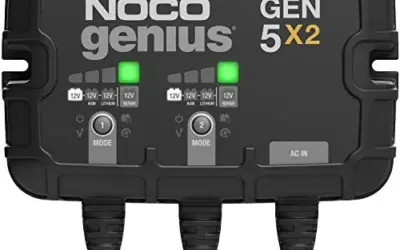
- Lithium batteries may require a specialized charger for safe operation.
What Are AGM Car Batteries?
AGM batteries are a type of lead-acid battery that uses absorbed glass mat technology to contain the electrolyte. This design prevents leakage and makes them suitable for vehicles with start-stop systems that experience frequent charging cycles.
They are known for their durability and ability to handle the demands of modern vehicles equipped with advanced electronics and regenerative braking systems.
What Are Lithium Car Batteries?
Lithium car batteries, commonly using lithium iron phosphate chemistry, are designed to deliver high performance with low maintenance. They are increasingly used as replacements for traditional batteries in both internal combustion engine vehicles and hybrid models.
These batteries come equipped with battery management systems that ensure safe operation by monitoring voltage, temperature, and current.
Key Differences Between Lithium and AGM Batteries
The primary differences between lithium and agm car battery technologies are in their physical properties, performance characteristics, and cost. The following table summarizes the main points:
| Aspect | Lithium Battery | AGM Battery |
|---|---|---|
| Weight | Significantly lighter | Heavier |
| Lifespan | Longer lasting | Shorter lasting |
| Charging Speed | Faster | Slower |
| Upfront Cost | Higher | Lower |
| Vibration Resistance | Good | Excellent |
| Temperature Range | More sensitive | More tolerant |
| Maintenance Requirements | Low with compatible charger | Low |
Pros and Cons of Lithium Batteries
Lithium batteries offer several advantages for modern vehicles. They are lighter, which can contribute to better fuel efficiency in gasoline-powered cars and extended range in electric vehicles. Their ability to accept fast charging makes them suitable for vehicles with regenerative braking systems that frequently recharge the battery.
However, they come with higher initial costs and may require specific charging equipment to function properly. They are also more sensitive to extreme temperatures, which can affect performance in hot or cold climates.
Pros and Cons of AGM Batteries
AGM batteries are a cost-effective option that provides reliable performance in a wide range of vehicles. Their construction allows them to withstand vibrations from rough roads and be installed in any orientation, which is beneficial for certain vehicle designs.
They are less expensive than lithium options and do not require specialized chargers in most cases. Their main drawbacks include being heavier and having a shorter lifespan compared to lithium batteries.
Compatibility and Installation
Both lithium and agm car battery replacements must match the voltage and physical dimensions of the original battery. Common group sizes include 94R and 95R for many passenger vehicles. Always refer to your vehicle’s manual to ensure compatibility.
Installation is generally simple, but lithium batteries may need additional setup for vehicles with smart charging systems. Some vehicles may have specific requirements for lithium batteries due to their different discharge characteristics.
Charging and Maintenance
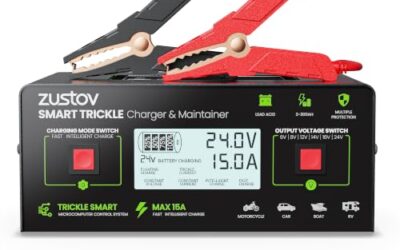
Charging lithium batteries requires a lithium-specific charger to provide the correct charging profile. Using a standard charger can lead to overcharging and battery damage. AGM batteries can be charged with standard chargers but may benefit from AGM-specific models for optimal results.
Both types of batteries benefit from regular vehicle use to maintain charge levels. Lithium batteries can be charged more frequently without degradation.
Cost and Value Analysis
The higher upfront cost of lithium batteries is offset by their longer lifespan in many applications. For vehicles with high annual mileage or those frequently started and stopped, lithium may provide better long-term value.
AGM batteries offer good value for budget buyers or vehicles where weight is not a primary concern. The choice ultimately depends on your specific needs and budget constraints.
Common Mistakes
- Choosing lithium batteries without considering the cost and compatibility with your vehicle’s charging system.
- Using a standard charger with lithium batteries, which can cause damage.
- Not checking the battery group size and terminal configuration before purchase.
- Exposing lithium batteries to extreme temperatures without proper protection.
- Assuming that lithium batteries are suitable for all vehicle types without research.
When to Get Professional Help
If you are not comfortable with battery installation or if your vehicle has complex electrical systems, it is advisable to seek professional assistance. A technician can ensure proper installation and prevent potential issues with the vehicle’s onboard systems.
Professional help is also recommended if you notice any unusual symptoms or if the battery is under warranty.
FAQ
What is the difference between lithium and agm car battery?
Lithium batteries are lighter and have longer lifespans but cost more, while AGM batteries are more affordable and durable in vibration but heavier and shorter lasting.
Can I replace my AGM battery with a lithium one?
Yes, many vehicles can use lithium as a direct replacement, but ensure compatibility with your vehicle’s charging system and check for any required modifications.
Which battery is better for start-stop systems?
Both can work, but AGM is often preferred for its proven performance in frequent cycling, while lithium is also suitable with proper BMS.
How do I know if my car needs a lithium battery?
If your vehicle has a start-stop system, is fuel efficient, or you want to reduce weight, lithium may be beneficial. For standard use, AGM is reliable and cost-effective.
Do lithium batteries require special chargers?
Yes, lithium batteries need lithium-compatible chargers to avoid damage from incorrect charging profiles.
Additional Considerations
When selecting between lithium and agm car battery, consider the specific requirements of your vehicle. Factors such as climate, driving habits, and vehicle type play a role in the decision. Lithium batteries are particularly advantageous in vehicles with regenerative braking or those designed for frequent starts and stops.
AGM batteries remain a popular choice for their simplicity and reliability in traditional applications. Understanding the technology behind each type helps in making the best choice for your car.
In conclusion, both lithium and agm car batteries have their place in the automotive industry. Lithium offers modern advantages in performance and weight, while AGM provides traditional reliability at a lower cost. Evaluate your needs to determine which option is right for you.