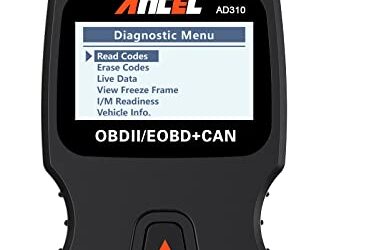
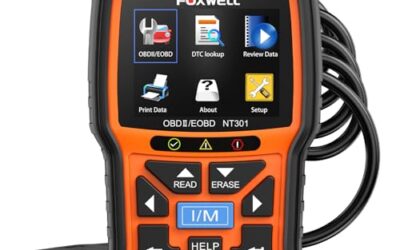
OBD2 codes can reappear after clearing because the underlying problem has not been resolved. The diagnostic trouble codes (DTCs) are stored in the vehicle’s onboard computer and will return if the fault condition persists. Clearing the codes using a scanner or the vehicle’s menu simply removes the current entry from the list, but it does not repair the issue.
Key takeaways
- Clearing codes is a temporary measure that does not fix the root cause.
- Recurring codes indicate the fault is still present and needs attention.
- Always recheck codes after repairs to ensure the fix worked.
- Understanding why codes return helps in effective vehicle diagnostics.
Understanding OBD2 Codes
The OBD2 system, or On-Board Diagnostics II, is a standardized vehicle diagnostic system introduced in the mid-1990s. It allows vehicles to detect and store information about malfunctions in the engine, transmission, and other systems. When a fault is detected, the system stores a diagnostic trouble code (DTC) in the Powertrain Control Module (PCM) or other control units.
OBD2 codes are essential for vehicle diagnostics because they provide specific information about what is wrong with the vehicle. There are thousands of possible codes, each corresponding to a particular issue. For example, a code like P0420 indicates a catalyst efficiency problem, while P0300 points to a misfire in one or more cylinders.
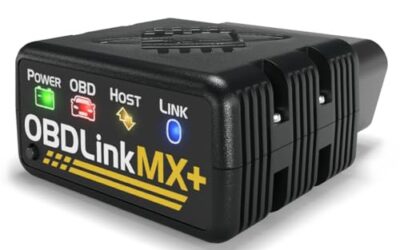
These codes are read using an OBD2 scanner, which connects to the vehicle’s 16-pin diagnostic connector under the dashboard. The standard ensures compatibility across most vehicles manufactured after 1996 in North America, though some manufacturers use additional proprietary codes.
It’s important to note that OBD2 codes are not always related to emissions; some are for safety systems, ABS, or other vehicle functions. Clearing codes does not mean the problem is gone; it just clears the current list.
Why Do OBD2 Codes Come Back After Clearing
The main reason OBD2 codes come back after clearing is that the underlying fault has not been addressed. When you clear the code, you are essentially erasing the memory entry, but if the component or system is still faulty, the code will be stored again the next time the vehicle is driven or the ignition is cycled.
For instance, if a loose wire is causing a code, clearing it won’t make the wire stay connected. Similarly, if a sensor is failing, the code will reappear. This is why it’s crucial to diagnose the root cause rather than just clearing the code.
Another factor is that some codes are intermittent. They may only trigger under certain conditions, like specific temperatures or speeds. Clearing might remove the current code, but it could return later.
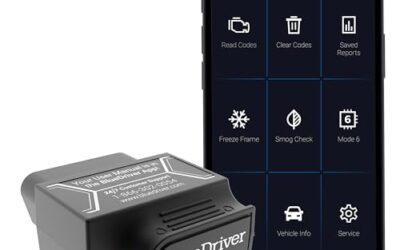
Compatibility factors: OBD2 scanners work on vehicles with the standard 12-volt electrical system. Newer vehicles may use CAN bus protocols, which require more advanced scanners. Phone-based OBD2 apps work on iOS and Android but may have limitations in reading all codes or clearing them reliably.
Common Reasons for Recurring OBD2 Codes
Here are some frequent causes of codes that return after clearing:
- Loose or corroded connections: Wiring harnesses can become loose due to vibration or age, leading to intermittent codes. Check all connectors for security.
- Failing sensors: Oxygen sensors, mass airflow sensors, or throttle position sensors can degrade over time and cause repeated codes.
- Exhaust system issues: Leaks or damage to the catalytic converter can trigger codes that return if not repaired.
- Low battery or charging system problems: A weak battery can cause erratic readings and recurring codes.
- Software or firmware issues: In some vehicles, updates can resolve codes, but clearing alone won’t help.
- Aftermarket modifications: Adding accessories like alarms or lifts can interfere with sensors.
These reasons vary by vehicle make and model. For example, in GM vehicles, codes related to the fuel trim might be common due to evaporative emissions systems.
How to Prevent OBD2 Codes from Returning
To prevent codes from coming back, follow these steps:
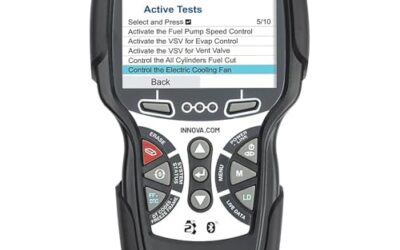
- Identify the root cause using a quality OBD2 scanner that can provide freeze frame data and live data.
- Perform repairs correctly, such as replacing the faulty part or fixing the wiring.
- Clear the codes and test drive the vehicle to see if they return.
- Monitor for recurring codes over several drives.
- Keep records of repairs for future reference.
Regular maintenance, like checking battery connections and replacing worn parts, can reduce the likelihood of issues.
Interpreting OBD2 Code Patterns
Some codes appear in patterns that can indicate the severity or related issues. For example, multiple misfire codes (P0300, P0301) might suggest a timing issue or spark plug problems. Codes that only appear after a certain temperature might point to a thermostat or coolant sensor.
Always refer to a reliable diagnostic manual for your specific vehicle to understand the code fully. Manufacturer-specific codes may not be covered in generic OBD2 resources.
Vehicle Model-Year and Compatibility Considerations
OBD2 codes are standardized, but implementation varies. Pre-1996 vehicles may not have OBD2, or use OBD1. Newer vehicles from 2010+ have more advanced systems like OBD3 or connected diagnostics. Always ensure your scanner supports the vehicle’s protocol, such as J1850, CAN, or ISO 15765.
Phone OS compatibility: Apps like Torque or Car Scanner work on Android and iOS but may require Bluetooth adapters for some vehicles. Firmware updates for scanners can improve code reading accuracy.
Regional differences: In the US, OBD2 is mandatory, but in other countries, it may differ. Always check local regulations for emissions testing.
Common Mistakes When Dealing with OBD2 Codes
One common mistake is assuming that clearing the code fixes the problem. This can lead to continued driving with a faulty system, potentially causing safety issues or failing emissions tests.
Another mistake is ignoring recurring codes. Even if the code is cleared, the issue may be present, leading to poor performance or increased wear on components.
People also sometimes clear codes without noting the original code, making it hard to diagnose later. Always document the codes before clearing.
Using cheap scanners that don’t clear codes properly or only read codes without clearing can be frustrating.
When to Get Professional Help
Seek professional assistance if:
- Codes indicate a serious safety issue, such as ABS or airbag problems.
- You are not comfortable with electrical diagnostics or lack tools.
- Recurring codes persist after DIY attempts.
- The vehicle is under warranty or has complex systems requiring manufacturer tools.
- Emissions testing is required and codes are failing.
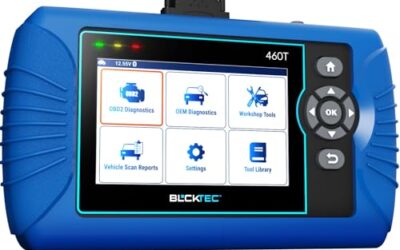
Professionals have access to advanced scanners and can perform deeper diagnostics like live data analysis or module programming.
Frequently Asked Questions
Can clearing OBD2 codes permanently fix the issue?
No, clearing codes only removes the current code from the list. It does not repair the underlying fault. The code will return if the problem persists.
What does it mean if OBD2 codes keep coming back?
It means the root cause of the fault has not been identified and fixed. Continue troubleshooting to find the issue.
How often should I clear OBD2 codes?
Clear codes only when you have diagnosed and repaired the problem. Clearing them regularly without fixing the issue can hide the true problem.
Are there differences in OBD2 codes between vehicle brands?
Yes, while the basic codes are standardized, manufacturers may add their own codes or interpret them differently. Always consult a vehicle-specific diagnostic guide.
Can I clear OBD2 codes without a scanner?
Some vehicles have a menu option in the dashboard display to clear codes, but it’s limited and may not be available on all models. A dedicated OBD2 scanner is recommended for reliable clearing.