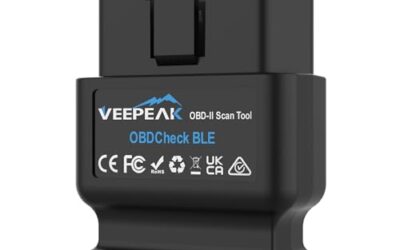
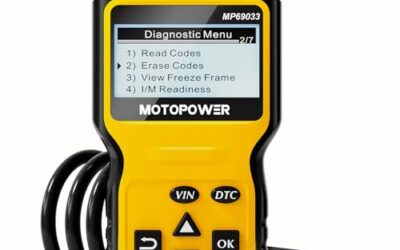
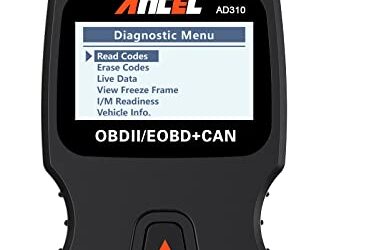
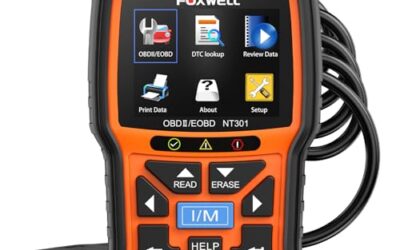
ECU coding is the process of reprogramming the software in a vehicle’s Engine Control Unit, or ECU. This embedded computer system controls engine functions, emissions, and other vehicle systems. By modifying the ECU’s code, owners can optimize performance, adjust emissions, or enable/disable specific features.
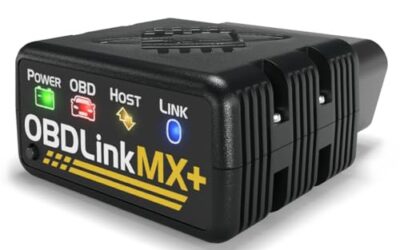
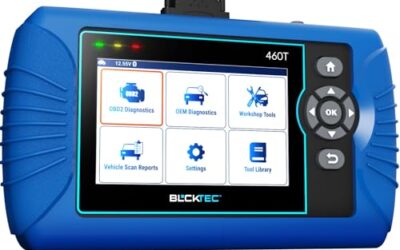
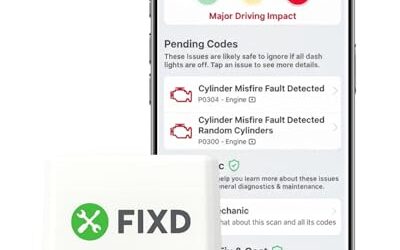
This advanced modification differs from basic diagnostic scans because it involves changing the underlying logic and parameters of the ECU rather than just reading or clearing fault codes. ECU coding is typically done using specialized hardware interfaces and software tools that connect to the vehicle’s OBD2 port.
Key Takeaways
- ECU coding involves altering the firmware of the car’s computer to modify its behavior.
- It can lead to improved engine performance, better fuel economy, or the addition of new features.
- Compatibility is limited to specific vehicle models and years, and not all ECUs can be modified.
- Professional tools and expertise are usually required to avoid damaging the ECU or other systems.
- Always consider legal and warranty implications before proceeding.
How ECU Coding Works
The Engine Control Unit (ECU) is essentially the brain of the vehicle’s engine management system. It receives data from various sensors, such as the oxygen sensor, mass airflow sensor, and throttle position sensor, and uses that information to control fuel injection, ignition timing, and other parameters to maintain optimal engine performance and efficiency.
ECU coding works by accessing the ECU’s memory and rewriting specific sections of the software. This can involve changing calibration values, updating algorithms, or adding new functions. The process usually starts with connecting a compatible interface device to the vehicle’s OBD2 port. Software then communicates with the ECU to read the current version and then applies the new code.
Modern vehicles use advanced ECUs with millions of lines of code, making the process complex. Tools like HP Tuners, ECM Titanium, or custom-developed software are used to perform these modifications safely. The coding process can take several hours and requires the user to follow precise steps to ensure the new code is written correctly without corrupting the ECU.
Where ECU Coding Is Commonly Applied
ECU coding has several practical uses in the automotive world. One of the most popular applications is performance tuning. By increasing the maximum fuel delivery or adjusting ignition timing, drivers can gain more horsepower and torque. This is particularly common in modified vehicles where the stock ECU limits performance.
Another application is emissions tuning. In some regions, owners may use coding to disable emissions-related systems like the EGR valve or catalytic converter monitoring to meet off-road or racing requirements. This can also help with emissions compliance in areas where stock settings are too restrictive.
Feature activation is another area. For example, some aftermarket parts may require ECU coding to fully integrate, such as adding traction control or modifying the instrument cluster display. In some cases, coding can also be used to fix issues like limp mode by adjusting adaptive values or correcting faulty sensor data.
It’s important to note that ECU coding is not a one-size-fits-all solution. Compatibility depends on the vehicle make, model, and model year. For instance, European vehicles from the 2000s may have different coding requirements than American models. Always check the specific vehicle’s documentation or consult with a professional to determine if coding is possible.
Limitations and Risks of ECU Coding
While ECU coding offers many benefits, it comes with significant limitations and risks. One major limitation is that not all vehicles support coding. Older vehicles with basic ECUs may not have the necessary interfaces or software available. Newer vehicles with advanced security systems, such as those using encryption, can make coding more difficult or impossible without manufacturer-specific tools.
The risk of damaging the ECU is a serious concern. Incorrect coding can lead to the ECU becoming bricked, rendering the vehicle inoperable until the software is restored. This can be expensive, as replacing an ECU can cost thousands of dollars. Additionally, coding may void the vehicle’s warranty, leaving the owner responsible for any future repairs.
Legal considerations are also important. In some regions, modifying emissions systems can result in fines or legal issues. Furthermore, modified vehicles may not pass emissions tests, which can affect registration in certain areas. It’s crucial to understand the local laws before attempting any modifications.
Another limitation is the potential for reduced reliability. While tuned vehicles can perform well, the changes may stress other components like the transmission or fuel system, leading to premature wear. Always consider the long-term effects on the vehicle’s overall health.
Common Mistakes in ECU Coding
Attempting ECU coding without proper knowledge can lead to several common mistakes. One frequent error is using the wrong software version or tool for the vehicle. Different model years and engine types require specific calibrations, and using the incorrect one can cause the coding to fail or damage the ECU.
Another mistake is skipping the backup process. Before applying new code, it’s essential to back up the original ECU data to prevent data loss. Failing to do so can result in the need for professional recovery services, which are costly.
Improper connection or using low-quality interfaces can also cause issues. Cheap OBD2 adapters may not provide the necessary communication speed or accuracy, leading to failed coding attempts. Additionally, not following the step-by-step instructions provided by the software can result in incomplete or incorrect modifications.
Finally, some users attempt to code vehicles that are not supported by the chosen tool. This can lead to wasted time and potential damage. Always verify compatibility before starting the process.
When to Get Professional Help
If you are new to automotive modifications or lack the necessary tools and experience, seeking professional help is highly recommended. Professional tuners have access to the latest software, hardware, and training to perform ECU coding safely and effectively. They can also provide warranty information and ensure that the modifications comply with local regulations.
Professional services are particularly beneficial for complex vehicles with advanced ECUs or when the coding involves multiple systems. They can also help with troubleshooting if the coding process encounters errors. While DIY coding can be rewarding for experienced enthusiasts, it’s not suitable for everyone due to the technical nature and potential risks involved.
Consider your goals and the vehicle’s condition before deciding. If the vehicle is still under warranty or has mechanical issues, professional assistance can help avoid complications. Additionally, if you’re unsure about the legality of the modifications in your area, consulting a professional can provide peace of mind.
History of ECU Coding
ECU coding has evolved significantly since the introduction of the OBD2 standard in the 1990s. Early coding was limited to basic functions, but as vehicle technology advanced, so did the capabilities of tuning tools. Today, professional tuners can perform complex modifications on a wide range of vehicles, from classic cars to modern performance models.
The development of aftermarket tools like HP Tuners in the early 2000s revolutionized the industry by providing enthusiasts with the ability to modify their vehicles without visiting a dealership. However, these tools also raised concerns about the legality and safety of such modifications.
FAQ
What is the difference between ECU tuning and coding?
ECU tuning and coding are related but distinct processes. Tuning often refers to adjusting parameters for performance, such as increasing power output. Coding, on the other hand, involves reprogramming the ECU’s software to add new functions or modify existing ones. While tuning is a subset of coding, not all coding is performance-related.
How do I know if my vehicle supports ECU coding?
To determine if your vehicle supports ECU coding, check the manufacturer’s specifications or consult with a professional tuner. Look for tools that support your vehicle’s make, model, and year. Some vehicles have built-in coding capabilities through the manufacturer’s diagnostic tools, while others require aftermarket interfaces.
What tools are needed for ECU coding?
ECU coding typically requires a compatible OBD2 interface, such as a professional tuning device, and specialized software. Examples include HP Tuners, ECM Titanium, or other aftermarket tuning platforms. These tools provide the necessary communication and programming capabilities to modify the ECU.
Is ECU coding reversible?
ECU coding is generally reversible if a backup of the original software is available. By reapplying the original code, you can restore the vehicle to its stock configuration. However, some modifications may not be easily reversible, and professional help may be needed to recover the original settings.
What are the risks of DIY ECU coding?
The main risks include damaging the ECU, which can be very expensive to repair or replace. Incorrect coding can also lead to engine damage or other vehicle malfunctions. Additionally, there are legal and warranty risks associated with modifications. It’s important to have a thorough understanding of the process and the vehicle’s requirements before attempting it.