What Is A Pending OBD2 Code
A pending OBD2 code is a diagnostic trouble code that the vehicle’s onboard computer has detected but not yet confirmed or stored in its permanent memory. This is also referred to as a pending or maturing diagnostic trouble code. It indicates that the vehicle is monitoring a potential fault through its sensors and control modules, but the code has not yet met the criteria for permanent storage, such as occurring multiple times or under specific conditions.
Key takeaways
- Pending OBD2 codes allow for early detection of intermittent issues.
- They are stored in the freeze frame data but not in the permanent DTC memory until confirmed.
- Only certain OBD2 scanners can read pending codes.
- Clearing a pending code does not repair the underlying issue.
- These codes are common in vehicles manufactured after 1996 that comply with OBD2 standards.
How Does a Pending OBD2 Code Work?
When a vehicle detects a fault, such as a misfire or oxygen sensor issue, the powertrain control module (PCM) monitors the parameter. If the fault occurs repeatedly or for a certain duration, the PCM may set the pending code. This pending status gives technicians time to diagnose the root cause without the code immediately lighting up the check engine light or being stored permanently.
Once the code is confirmed, it transitions to a stored or active code, which will trigger the check engine light and be stored in the permanent memory. This system helps in distinguishing between temporary glitches and persistent problems. The monitoring process is part of the vehicle’s comprehensive self-diagnosis system mandated by OBD2 regulations. The PCM continuously checks various parameters against predetermined thresholds. When a threshold is exceeded, the code is set to pending. This approach prevents the check engine light from illuminating for every minor fluctuation, which could lead to driver annoyance and unnecessary repairs.
Why Are Pending OBD2 Codes Important?
Pending codes are crucial for comprehensive diagnostics, especially in vehicles with numerous sensors and electronic control units. They can point to issues like faulty spark plugs, loose gas caps, or wiring problems that may not always trigger the light immediately. By understanding pending codes, mechanics can perform targeted repairs, saving time and resources. In modern vehicles, the complexity of systems means that pending codes are more common. For example, in cars with direct injection engines, pending codes related to fuel trim or emissions can appear and disappear. This early detection capability is essential for preventing minor faults from escalating into major engine or emissions problems.
How to Check for Pending OBD2 Codes
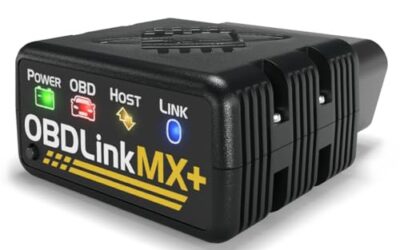
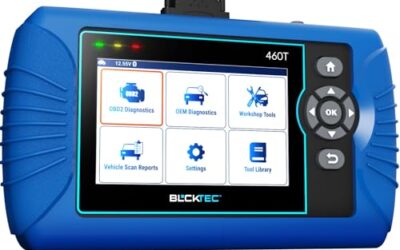
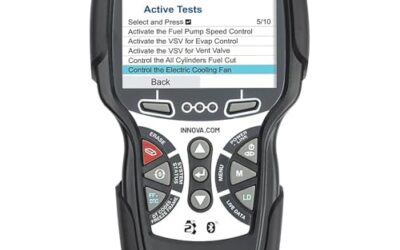
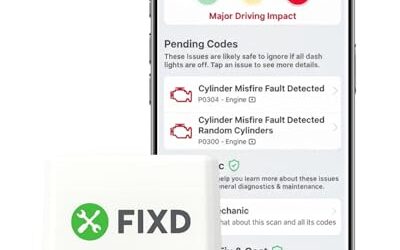
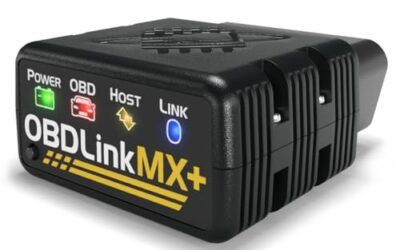
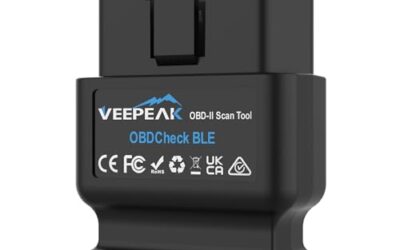
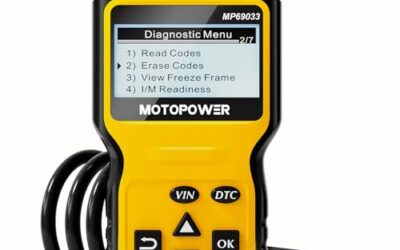
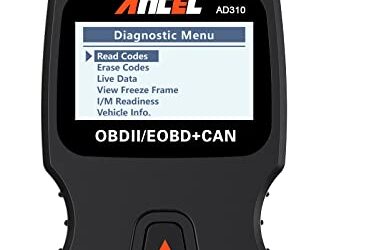
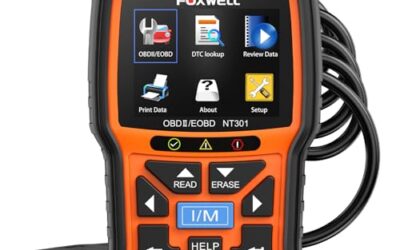
To check for pending OBD2 codes, you need an OBD2 scanner that supports pending codes. Basic scanners may only show stored codes, while advanced ones like those from Launch or Autel can display pending, current, and historical codes. Follow these steps:
- Connect the OBD2 scanner to the vehicle’s diagnostic port under the dashboard.
- Turn on the ignition but do not start the engine.
- Select the vehicle make, model, and year.
- Choose the option to read pending codes or freeze frame data.
- Review the codes displayed, noting if they are pending or stored.
Note that the process may vary slightly depending on the scanner model and vehicle. Always refer to the scanner’s manual for specific instructions. The diagnostic port is typically located 10-12 inches from the steering wheel on the driver’s side. Ensure the battery is fully charged before connecting the scanner to avoid false readings.
Limitations and Compatibility
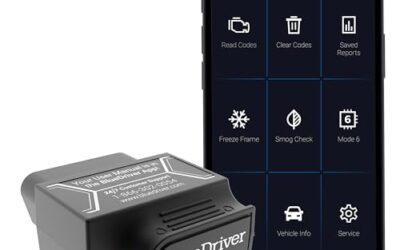
Pending code functionality is limited to OBD2-compliant vehicles, which includes most cars and light trucks sold in the US since 1996. However, compatibility can vary by model year and manufacturer. For instance, some European vehicles may use different protocols like CAN or KWP2000. Phone-based OBD2 adapters work with apps like Torque or Car Scanner, but their ability to show pending codes depends on the app and adapter quality. Firmware updates may be necessary for full functionality. Uncertainty in reading pending codes can arise if the vehicle is not fully warmed up or if the fault is not present at the time of scanning. Always ensure the scanner is compatible with the vehicle’s protocol and that the connection is secure.
Common Mistakes
One common mistake is assuming that a pending code is the same as a stored code. Pending codes are not active faults yet and may not cause the check engine light to illuminate. Another mistake is clearing the code without addressing the root cause. This can lead to the code returning if the underlying issue persists. People might also think that all scanners show pending codes, but many entry-level ones do not. Additionally, some users may ignore pending codes thinking they are harmless, but they often indicate developing problems that require attention.
When to Get Professional Help
If you see a pending code, it is advisable to have it diagnosed by a professional mechanic or use a trusted OBD2 scanner. Do not ignore it, as it could indicate a developing problem that may lead to more serious issues like engine damage. Professional help is recommended when the code persists, multiple codes appear, or you are unsure about the vehicle’s specific systems. A mechanic can use advanced tools to pinpoint the exact fault and perform repairs efficiently.
Pending vs Stored Codes Comparison
| Type | Description | Check Engine Light | Storage |
|---|---|---|---|
| Pending | Detected but not confirmed | No | Temporary buffer |
| Stored | Confirmed fault | Yes | Permanent memory |
| Active | Currently present | Yes | Permanent memory |
FAQ
What causes pending OBD2 codes?
Pending OBD2 codes are caused by faults detected by the vehicle’s sensors, such as issues with the fuel system, ignition, or emissions equipment. The code stays pending until the fault is confirmed through repeated occurrences.
Can I clear a pending OBD2 code myself?
Yes, you can clear a pending code using an OBD2 scanner, but this does not repair the fault. The code may reappear if the underlying issue is not addressed.
Do all OBD2 scanners show pending codes?
No, not all OBD2 scanners can display pending codes. Basic models typically show only stored codes, while advanced diagnostic tools are required for pending and other advanced data.
How long does a pending OBD2 code stay pending?
A pending code can stay in the pending state for a variable amount of time, depending on the vehicle’s programming and the fault conditions. It may remain pending indefinitely until the fault is resolved or confirmed.
Is a pending OBD2 code the same as a stored code?
No, a pending code is not the same as a stored code. Pending codes are temporary and not yet stored permanently. Stored codes are active and will trigger the check engine light.
Published on CarTechTalk on 2024-10-05
Sources and further reading
- J1962 Diagnostic Connector standard (SAE International): The industry standard that defines the 16-pin OBD2 diagnostic connector.
- J1979 E/E Diagnostic Test Modes standard (SAE International): The standard behind the diagnostic modes and data a generic OBD2 scan tool can request.