Generic vs Manufacturer Specific Trouble Codes
Generic trouble codes are standardized diagnostic codes that apply to most vehicles equipped with OBD-II systems, while manufacturer specific trouble codes are proprietary codes developed by individual automakers for more detailed diagnostics. Understanding the difference between generic and manufacturer specific trouble codes is essential for selecting the appropriate diagnostic tool and interpreting results accurately. This guide explains how each type works, their applications, limitations, and common scenarios where one is preferred over the other. Generic codes provide a universal language for diagnosing vehicle issues across different brands, making them accessible to a wide range of users. On the other hand, manufacturer specific codes allow for more precise and detailed analysis tailored to the specific vehicle’s design and systems.
Key Takeaways
- Generic codes provide basic information readable by any compliant OBD2 scanner.
- Manufacturer specific codes offer enhanced data but require brand-specific tools.
- Compatibility depends on your vehicle’s make, model, and year.
- Generic scanners are more versatile for multi-vehicle use.
- Manufacturer specific tools excel in in-depth analysis for a single brand.
What Are Generic Trouble Codes?
Generic trouble codes are part of the OBD-II standard established by the Society of Automotive Engineers (SAE) J1962 and J2012 specifications. These codes are designed to be universal across vehicles from different manufacturers. They typically fall into categories such as powertrain (P codes), chassis (C codes), body (B codes), and network (U codes). For example, a P0300 code indicates a random or no specific cylinder misfire. Generic codes are what most aftermarket OBD2 scanners can read and display. They provide a starting point for diagnosis but lack the context that manufacturer-specific tools can offer. The standardization ensures that a mechanic in one location can understand the code displayed by a scanner from another. However, the codes themselves are quite basic and do not include much context. For instance, the code P0301 specifically means that cylinder number one is misfiring, but it does not tell you why or what caused the misfire. This is where the need for manufacturer specific tools comes into play, as they can provide additional parameters like engine RPM, vehicle speed, and other sensor readings at the time the code was set.
How Generic Scanners Work
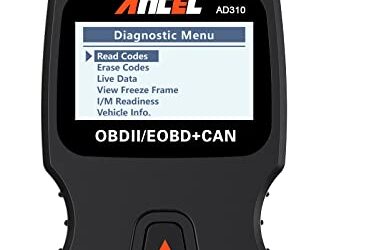
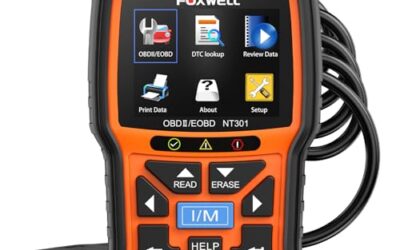
Generic scanners connect to the vehicle’s OBD-II port under the dashboard. They communicate via the ISO 15765-4 protocol for CAN bus vehicles or other standards. Once connected, the scanner sends a request for diagnostic trouble codes and receives the response in the standardized format. The limitation is that they don’t have access to manufacturer-specific data parameters or enhanced monitoring. Generic scanners are designed to read the basic codes and display them in a simple format, often with a brief description. This makes them user-friendly for beginners but may not provide the depth needed for complex repairs.
What Are Manufacturer Specific Trouble Codes?
Manufacturer specific trouble codes are additional or enhanced codes used by automakers to provide more precise information about the fault. These may include detailed information about which component is affected, freeze frame data, or specific conditions under which the fault occurred. Some manufacturers also use codes that are not part of the standard OBD-II list, though most comply with the standard for interoperability. For instance, Toyota uses specific interpretations for codes like P0011, which might indicate issues with the intake camshaft position in their vehicles. These codes are readable by manufacturer-specific diagnostic tools, which are often called OEM tools or brand-specific scanners. The use of manufacturer specific codes allows for a more thorough diagnosis because they incorporate the automaker’s knowledge of their vehicle’s systems.
Examples of Manufacturer Specific Codes
Consider a scenario where a generic scanner shows P0420 for catalyst efficiency below threshold. A manufacturer specific tool might provide additional data such as which bank is affected, the exact temperature readings, or the status of the oxygen sensors. In some cases, manufacturers like Ford or GM have their own diagnostic trouble codes that supplement the standard ones, offering more granular data for technicians. For example, a manufacturer specific code might include information about the exact fault code number or the status of various modules in the vehicle. This level of detail can help in pinpointing the issue much faster than with generic codes alone.
Key Differences Between Generic and Manufacturer Specific Trouble Codes
The primary difference lies in the level of detail and compatibility. Generic codes are basic and universal, while manufacturer specific codes are detailed and brand-specific. Generic codes are the foundation of OBD2 diagnostics and are essential for any vehicle owner or mechanic to understand. They allow for basic troubleshooting without needing specialized equipment. However, for complex issues, the additional information from manufacturer specific codes can be crucial in identifying the root cause quickly and accurately. The choice between using generic or manufacturer specific tools depends on the complexity of the problem and the number of vehicles you need to diagnose.
| Feature | Generic Trouble Codes | Manufacturer Specific Trouble Codes |
|---|---|---|
| Definition | Standardized SAE codes | Proprietary automaker codes |
| Readability | Any OBD2 compliant scanner | Brand-specific tools only |
| Information Level | Basic code only | Enhanced data, freeze frames, etc. |
| Compatibility | Multi-vehicle | Single vehicle make/model |
| Use Case | General diagnostics | Advanced troubleshooting |
When to Use Generic vs Manufacturer Specific Tools
If you own multiple vehicles or need a versatile scanner, a generic OBD2 scanner is sufficient for reading generic codes. For diagnosing a specific vehicle thoroughly, a manufacturer specific tool is recommended. Consider your vehicle’s model year: Newer vehicles may have more manufacturer specific enhancements. Voltage is standard 12V, but ensure the connector is the standard OBD-II 16-pin. Generic scanners are ideal for casual users who want to check for codes occasionally, while manufacturer specific tools are better for professional mechanics who need detailed information for repairs.
Common Mistakes When Using Trouble Codes
One common mistake is assuming that clearing a code fixes the underlying issue. Another is not understanding that generic codes may not pinpoint the exact problem without additional context. Always verify compatibility with your vehicle. Some generic scanners may not read all manufacturer specific codes or may misinterpret them. It is important to understand the limitations of each type of code and tool to avoid frustration and wasted time during diagnostics.
When to Seek Professional Help
If you’re not comfortable interpreting codes or the scanner doesn’t read the codes, consult a professional mechanic. They have access to advanced diagnostic equipment and can perform deeper tests. Professional help is especially important when dealing with manufacturer specific codes, as they require specialized knowledge to interpret correctly. Ignoring a check engine light can lead to more serious problems, so it’s always best to address it promptly.
FAQ
What is the difference between generic and manufacturer specific trouble codes?
Generic codes are standardized and universal, while manufacturer specific codes are proprietary and provide more detailed information. Generic codes are readable by most OBD2 scanners, but manufacturer specific codes require brand-specific tools for full access and interpretation.
Can a generic scanner read manufacturer specific codes?
Generally, no, generic scanners are limited to standard codes and may not interpret or display manufacturer specific data. Some advanced generic scanners might claim to read some enhanced codes, but they are not guaranteed to provide the same level of detail as manufacturer specific tools.
Which scanner is better for a specific vehicle?
For in-depth diagnostics on one vehicle, a manufacturer specific scanner is better. If you have multiple vehicles, a generic scanner offers more flexibility. The best choice depends on your needs and the complexity of the issues you encounter.
How do I know if my scanner supports manufacturer specific codes?
Check the scanner’s compatibility list for your vehicle’s make and model. Look for mentions of enhanced diagnostics or specific brand support in the product description. Manufacturer specific support is usually listed separately from generic OBD2 support.
Are manufacturer specific codes part of the OBD-II standard?
They are not always part of the standard but are used in addition to it for enhanced diagnostics. Most manufacturers comply with the OBD-II standard for interoperability, but they add their own codes and data for their specific vehicles.