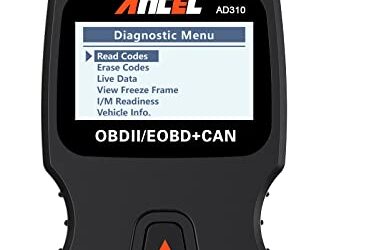
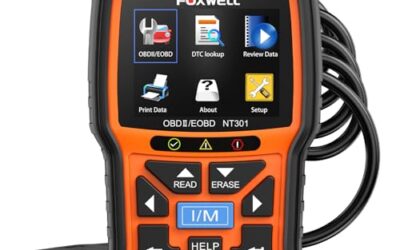
OBD1 vs OBD2 comes down to standardization. OBD1 systems were manufacturer-specific, using different connectors, protocols, and trouble codes for nearly every brand. OBD2 is a federally mandated standard in the United States for gasoline vehicles from the 1996 model year onward, giving every car a common 16-pin connector, shared communication protocols, and universal diagnostic trouble codes.
Key takeaways
- OBD1 was proprietary and varied by manufacturer; OBD2 is standardized across brands.
- In the US, OBD2 became mandatory for most gasoline passenger vehicles starting with the 1996 model year.
- OBD2 uses a standardized 16-pin (SAE J1962) connector, usually within reach of the driver’s seat.
- A generic OBD2 scanner reads emissions-related codes on any compliant vehicle; OBD1 often needed brand-specific tools or procedures.
- Model year and market matter. A car built in late 1995 could use either system, so verification is essential.
What is OBD1?
OBD1 refers to the first generation of onboard diagnostics used before standardization. Each automaker designed its own approach, so the connector shape, pin layout, communication method, and the meaning of the codes differed from one brand to another. Some early systems reported faults by flashing a dashboard light in patterns you had to count, while others required a manufacturer-specific scan tool or a jumper wire technique to enter a diagnostic mode.
Because there was no shared standard, a tool that worked on one brand’s OBD1 system frequently would not work on another. Repair information, code definitions, and adapters tended to be specific to the make and sometimes the model.
What is OBD2?
OBD2 is the second generation and the current standard. It defines a common physical connector, a set of allowed communication protocols, and a universal list of diagnostic trouble codes (DTCs) that share the same meaning across manufacturers. This standardization is why an inexpensive generic scanner can read a check-engine code on a wide range of vehicles.
OBD2 also expanded the scope of monitoring, with an emphasis on emissions-related systems. It tracks readiness monitors, freeze-frame data captured when a fault occurs, and live sensor data, which supports both emissions testing and general diagnostics.
The practical difference at a glance
| Aspect | OBD1 | OBD2 |
|---|---|---|
| Standardization | Manufacturer-specific | Industry standard |
| Connector | Varies by brand | Standard 16-pin (SAE J1962) |
| Trouble codes | Brand-specific meanings | Universal DTC format (e.g., P0300) |
| US applicability | Generally pre-1996 gasoline vehicles | Generally 1996 model year and newer gasoline vehicles |
| Typical tool | Brand-specific tool or procedure | Generic or advanced OBD2 scanner |
| Live data | Limited or unavailable | Commonly available |
How to tell which system your vehicle uses
- Check the model year. In the US, gasoline passenger vehicles from the 1996 model year onward are generally OBD2 compliant. Vehicles from before the mid-1990s are usually OBD1.
- Look for the connector. OBD2 uses a trapezoidal 16-pin connector, most often located under the dashboard near the steering column and within reach of the driver’s seat. If your car has a differently shaped connector in a different location, it may be an OBD1 system.
- Check the emissions label. Many vehicles have an underhood emissions information label. Some state whether the vehicle is OBD2 compliant.
- Verify against reliable references. Because the 1994 to 1996 transition period varied by manufacturer and model, confirm your specific vehicle rather than assuming based on year alone.
A vehicle having a 16-pin connector does not by itself guarantee full OBD2 protocol support on every function. Confirm compatibility for your specific make, model, and year before relying on a particular scanner feature.
Why standardization mattered
Before OBD2, diagnosing a fault often meant owning brand-specific equipment or knowing brand-specific procedures. A shop that serviced multiple makes needed multiple tools and reference materials. Standardization reduced that fragmentation. With OBD2, the connector, the protocols, and the core emissions codes follow a common framework, which lowered the barrier for independent shops and vehicle owners to read basic diagnostic information.
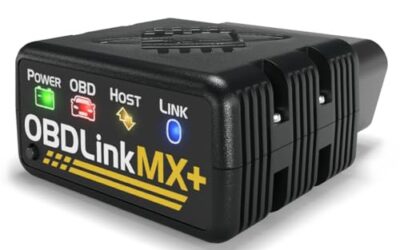
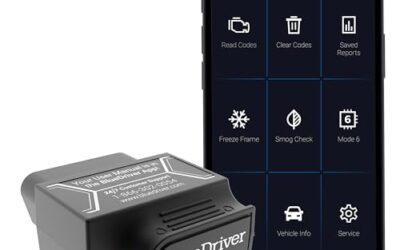
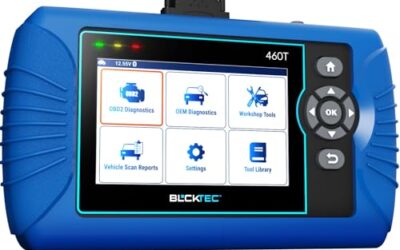
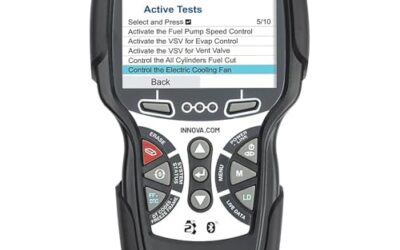
This is also why the modern market of affordable plug-in scanners and Bluetooth adapters exists. Those tools rely on the predictable OBD2 standard. They generally cannot interpret the varied OBD1 systems that came before it.
Do OBD2 scanners work on OBD1 vehicles?
Generally, no. A standard OBD2 scanner is built around the OBD2 connector and protocols, so it will not plug into or communicate with a typical OBD1 system without specialized adapters and, even then, results are limited and brand-dependent. If you are working on an OBD1 vehicle, expect to research the specific manufacturer’s diagnostic method, which may involve a dedicated tool, a specific adapter, or a documented procedure for reading flash codes.
What about the transition years?
Vehicles built around 1994 and 1995 are the most likely to cause confusion. Some manufacturers introduced OBD2-style hardware early, while others stayed with OBD1 until the mandate took effect. Two cars of the same model year and even the same model can differ. When in doubt, verify your vehicle individually rather than relying on a general rule.
Common mistakes
- Assuming every 1990s car is OBD2. The transition was gradual, and pre-1996 vehicles are frequently OBD1.
- Buying a generic OBD2 scanner for an OBD1 car. The connector and protocols usually will not match.
- Treating a 16-pin connector as proof of full OBD2 support. The physical connector is one part; protocol and feature support still need verification.
- Believing that clearing a code fixes the problem. Clearing a diagnostic trouble code only erases the stored record and turns off the light temporarily. If the underlying fault remains, the code will typically return.
- Overlooking regional differences. Standards and timelines can differ by country. This guide focuses on the US market; other regions have their own equivalents and adoption dates.
When to get professional help
Reading a code is only the first step. If the same code returns after clearing it, if multiple related codes appear together, or if you see symptoms such as poor running, stalling, or warning lights that stay on, a professional diagnosis is warranted. OBD1 vehicles in particular may require brand-specific knowledge that a general scanner cannot provide. A qualified technician can interpret live data, follow manufacturer diagnostic procedures, and confirm the actual cause before parts are replaced.
Frequently asked questions
Is OBD2 better than OBD1?
For diagnostics and tool compatibility, OBD2 is more convenient because it is standardized. That does not make an OBD1 vehicle harder to maintain overall, but it usually requires brand-specific diagnostic methods rather than a universal scanner.
Can I convert an OBD1 vehicle to OBD2?
Retrofitting is complex and depends heavily on the specific vehicle’s wiring, engine control module, and sensors. It is not a simple connector swap, and results vary. Treat any conversion as a major, vehicle-specific project rather than a standard upgrade.
What year did OBD2 become required in the US?
OBD2 became generally required for gasoline passenger vehicles starting with the 1996 model year in the United States. Because implementation timing varied slightly by manufacturer, confirm your specific vehicle.
Where is the OBD2 port located?
It is most commonly found under the dashboard on the driver’s side, within reach of the driver’s seat. Exact placement varies by vehicle, so check near the steering column and lower dash panels.
Do diesel vehicles use OBD2?
Diesel vehicles were brought under standardized onboard diagnostics later than gasoline vehicles, and timelines differ. If you drive a diesel, verify the diagnostic standard and connector for your specific model and year rather than assuming it matches the gasoline timeline.