To choose floor mats for winter road salt, match the mat to your vehicle’s model year and floor layout, then check pedal clearance, anchor fit, and spill coverage. A well-fitting, washable mat can catch salty slush before it reaches carpet, but no mat protects areas it does not cover.
- Start with vehicle-specific fitment, including model year, trim, and row.
- Keep the driver’s mat secured to factory retention points and clear of every pedal.
- Look for raised edges and channels that can hold meltwater and road grit.
- Choose a material you can remove, rinse, and dry as part of your winter routine.
- Check the mat and carpet regularly; trapped moisture can still cause problems.
- Identify your exact vehicle fitment. Use the year, make, model, trim, and seating configuration when checking fit. Floor shapes and factory anchor locations can differ between model years or trims. For trucks and larger cabins, check whether the listing covers front, rear, or third-row areas. Our F350 crew-cab fitment guide explains why cabin configuration matters.
- Check the driver’s footwell before considering material. The mat must stay in its intended position and must not block the accelerator, brake, or clutch pedal. Use factory retention hooks or clips when supplied for your vehicle. A mat that slides, curls, or crowds a pedal is not a suitable choice, even if it appears to offer broad coverage.
- Choose coverage for the mess you face. Raised edges and shaped channels help contain slush and water on the mat. Check how far the mat reaches under the pedals and along the door-side edge. A shallow carpet mat may absorb some moisture, but it can become saturated. A molded tray can hold liquid, but its real coverage depends on its shape and fit.
- Compare materials by cleanup needs. Rubber and thermoplastic mats are often selected because they can be removed and rinsed. Carpet mats can suit drivers who prefer a softer surface, but wet salt and grit may take more work to remove. Material names alone do not tell you how flexible, durable, or easy to clean a particular mat will be.
- Plan for removal and drying. Consider whether you can lift the mat out without spilling collected water into the cabin. Check any care directions for the specific mat. After cleaning, let the mat dry before putting it back, and inspect carpet beneath it for moisture or salt residue.
What makes a floor mat useful against winter salt?
Winter road salt usually enters the cabin on shoes mixed with snow, slush, and grit. The mat’s job is to catch that mess in an area you can remove and clean. It does not stop all moisture, and it cannot protect carpet beyond its edges.
Raised perimeter walls can help keep meltwater on the mat instead of letting it run across carpet. Channels or textured wells can collect loose debris and water. Their value depends on the mat’s shape, how it sits in your vehicle, and how much slush your footwear carries inside.
Coverage matters as much as the material. A driver mat that fits closely around the footwell can protect more carpet than a larger universal mat that shifts or bunches. Rear passengers can track in salt too, so check whether the rear mats cover the floor where passengers place their feet.
Which mat material should you choose?
| Material or style | Winter use | What to check |
|---|---|---|
| Rubber or thermoplastic tray | Can be removed and rinsed; raised sides may contain slush. | Confirm exact fit, edge height, flexibility in cold weather, and safe pedal clearance. |
| Carpet mat | Offers a fabric surface and can catch dry grit. | Check how it handles wet mess and whether its care instructions suit frequent cleaning. |
| Universal-cut mat | May be trimmed to fit some floor areas. | Trimming does not create factory anchor compatibility or guarantee safe driver-side fit. |
These are broad material differences, not a promise about every mat. Formulas, backing, edge shape, and construction vary. If a mat’s care instructions conflict with your cleaning method, follow the instructions for that mat.
How do you check fit and pedal safety?
Place the mat as directed and attach it to the vehicle’s intended retention points. With the vehicle parked, check that it lies flat and cannot slide forward. Move each pedal through its normal range while watching for contact with the mat. Do not drive if the mat interferes with a pedal or comes loose.
Do not stack a winter mat on top of another floor mat. Layers can shift, bunch, or change the space around the pedals. Remove the original mat only if the vehicle and mat instructions allow it, and keep the driver’s footwell arranged as specified by the vehicle maker.
Fitment can vary by model year, trim, and cabin layout. A mat listed for a similar vehicle may not line up with your anchors or floor shape. For another example of why exact cabin details matter, see our floor mats and interior protection category.
How to care for mats during salt season
Empty the mats before slush and grit build up to the point that water spills over an edge. Take them out carefully, especially when they hold liquid. Dispose of dirty water in a suitable drain or location rather than pouring it onto a surface where it can cause damage.
Clean the mat using its care instructions. Rinse away salt and grit where the material allows, then let it dry before reinstalling. Avoid placing a wet mat over carpet. Check carpet edges and the area under each mat for dampness or white salt residue. Clean those areas using methods suitable for your vehicle’s interior materials.
Winter mats do not remove the need to keep the cabin dry. If dampness persists, look for water beyond the mat or a mat that no longer sits flat. A soaked mat may need more frequent cleaning or a different fit.
Common mistakes
- Buying by vehicle name alone. Model year, trim, and row can change floor shape and anchor locations. Match the full fitment details.
- Assuming universal means safe. A mat that can be trimmed may still lack the right shape or retention points for the driver’s footwell.
- Choosing only by material label. “Rubber” or “all-weather” does not tell you whether edges contain slush or whether the mat fits your vehicle.
- Ignoring pedal clearance. A mat that contacts a pedal or slides underfoot should not remain in the driver’s footwell.
- Leaving collected water in place. Standing meltwater can spill over the edge or remain against carpet. Empty and dry mats regularly.
- Putting mats away wet. Reinstalling a wet mat can transfer moisture to carpet and make it harder to spot a leak or spill.
When to get professional help
Ask a dealer or qualified technician for help if you cannot identify the correct anchor points, if a mat interferes with pedal movement, or if the driver’s footwell has an unusual shape or equipment. Do not cut, alter, or secure a mat in a way that could affect pedal operation.
Get the carpet checked if it stays wet after the mats are removed and dried, or if water appears beyond the mat’s coverage. A floor mat can contain routine slush, but it cannot diagnose or fix a water leak.
Gear that can help
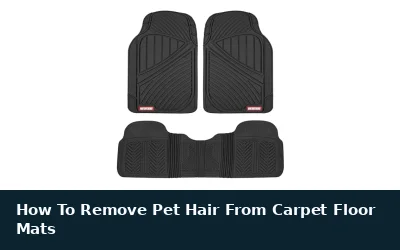
If you need all-weather floor mats and liners for this job, these picks already appear in our all-weather floor mats and liners guides. Check the full guide for fit and who should skip each one.

Pros
- Provides coverage from a three-piece set with two front mats and one rear liner
- Can be trimmed along marked lines for a more customized fit
- Made with polymers described as resistant to cracking and warping
Cons
- Universal design may require trimming to fit a specific vehicle
- The listing does not include a detailed specifications list
Best For / Avoid If
Best for buyers prioritizing
- Provides coverage from a three-piece set with two front mats and one rear liner
- Can be trimmed along marked lines for a more customized fit
- Made with polymers described as resistant to cracking and warping
Consider another option if
- Universal design may require trimming to fit a specific vehicle
- The listing does not include a detailed specifications list

Pros
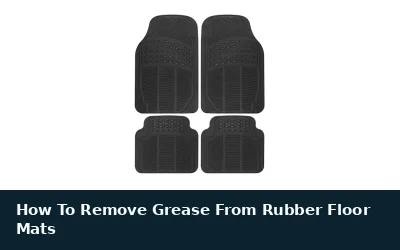
- Trim-to-fit design supports use in many cars, trucks, and SUVs.
- Deep channels are designed to help prevent fluids from reaching the carpet.
- Washable rubber construction is easy to clean.
- Anti-slip nibbed backing is designed to grip vehicle carpeting.
Cons
- Universal fit means the mats may require trimming for a specific vehicle.
Specifications
| Color | Black |
|---|---|
| Size | Full Set |
| Dimensions | 27.1 x 17.5 x 2 inches |
| Product Group | Automotive Parts and Accessories |
Best For / Avoid If
Best for buyers prioritizing
- Trim-to-fit design supports use in many cars, trucks, and SUVs.
- Deep channels are designed to help prevent fluids from reaching the carpet.
- Washable rubber construction is easy to clean.
Consider another option if
- Universal fit means the mats may require trimming for a specific vehicle.

Pros
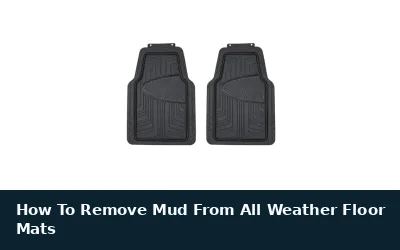
- Trim-to-fit design supports customization for most vehicles
- Heavy-duty rubber construction is designed for durability
- Waterproof, all-weather design helps protect vehicle interiors
- Soap-and-water cleaning is straightforward
Cons
- Universal fit may require trimming to match a specific vehicle
Best For / Avoid If
Best for buyers prioritizing
- Trim-to-fit design supports customization for most vehicles
- Heavy-duty rubber construction is designed for durability
- Waterproof, all-weather design helps protect vehicle interiors
Consider another option if
- Universal fit may require trimming to match a specific vehicle
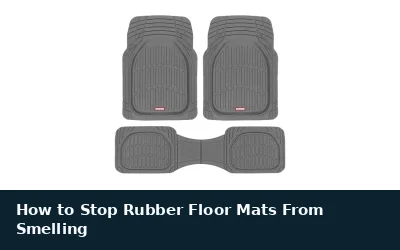
Before you buy, it is worth reading How To Clean Under Car Floor Mats and How to Stop Rubber Floor Mats From Smelling.
FAQ
Are all-weather mats better than carpet mats for road salt?
They may be easier to rinse and may have raised edges, but labels do not guarantee fit or spill containment. Compare the actual shape, care instructions, and pedal clearance for your vehicle.
Can I use a universal mat in the driver’s footwell?
Only if it fits securely, stays flat, and clears all pedals. Trimming does not make a mat compatible with factory anchors. Do not use it if it slides or touches a pedal.
Do floor mats stop salt from reaching carpet?
No. Mats catch debris and moisture within their coverage, but slush can pass over an edge or reach exposed carpet. Remove and clean mats regularly, then inspect the carpet underneath.
How often should I clean winter floor mats?
Clean them when slush, water, or salt starts to collect, and more often after messy drives. The right interval depends on weather, footwear, and how much debris enters the cabin.
Should I keep factory mats under winter mats?
Do not stack mats in the driver’s footwell. Follow the vehicle and mat instructions for other positions, and keep every mat secured and clear of moving parts.