To clean TPE car floor liners, remove them from the vehicle, shake off loose dirt, wash with mild soap and water, rinse, and let them dry fully before reinstalling. You will need a hose or clean water, a bucket, mild dish soap, and a soft brush or cloth; check the liner maker’s care instructions first because materials and surface finishes can differ.
- Take liners out of the vehicle before washing them.
- Use mild soap and a soft brush for routine dirt.
- Avoid harsh solvents, abrasive pads, and unapproved dressings.
- Dry liners completely, especially around raised edges and grooves.
- Check driver-side retention and pedal clearance after reinstalling.
- Remove each liner. Take the liners out of the cabin before adding water or cleaner. This keeps moisture and loosened grit away from carpet and electrical connections. On the driver’s side, release the factory retention points as intended; do not yank a liner that is caught on a clip.
- Shake out loose debris. Hold the liner over an appropriate outdoor area or trash bin and shake out sand, leaves, and crumbs. For packed dirt in grooves, use a soft brush while the liner is dry. This reduces grit scratching the surface during washing.
- Rinse off surface dirt. Use a garden hose or a container of clean water. A steady, moderate stream is usually enough for loose mud. Avoid forcing a concentrated spray into seams, attached trim, or areas where the liner’s construction is unclear.
- Wash with mild soap. Add a small amount of mild dish soap to water and work it over the liner with a soft brush or cloth. Clean grooves and raised edges where dirt collects. Start with a diluted solution; more soap does not necessarily clean better and can leave a slippery film.
- Rinse thoroughly. Rinse until suds and cleaner are gone. Soap left in channels can attract dirt or make the surface slick. If the liner still feels slippery, rinse again rather than applying a dressing to cover the residue.
- Dry both sides. Shake off excess water, then air-dry the liner in a shaded, ventilated spot. Wipe standing water from deep channels and underside features with a clean towel. Do not put a wet liner back over vehicle carpet.
- Inspect and reinstall. Check for cracks, warping, loose sections, or debris trapped underneath. Return the liner to its correct seating position and engage its retention points. Confirm that it cannot slide toward the pedals and that the accelerator and brake move freely.
What cleaning supplies are safe for TPE liners?
TPE means thermoplastic elastomer, a broad family of materials rather than one identical recipe. A liner may also have a textured finish, color treatment, attached trim, or other construction details. For routine cleaning, mild soap, water, and a soft brush are a cautious starting point. Follow the care directions supplied with your specific liner if they differ.
Do not assume that a cleaner is safe because it works on household plastic or vehicle paint. Avoid strong solvents, petroleum-based cleaners, bleach, and abrasive scouring pads unless the liner maker specifically approves them. These may dull, stain, soften, or otherwise affect some materials and finishes. Test any approved cleaner on a small, inconspicuous area first.
Use caution with silicone sprays, tire shine, and glossy interior dressings. They can leave a slick surface where shoes need grip. A product meant to make a surface look darker or shinier is not automatically suitable for a floor liner. If a cleaner or dressing leaves residue, wash it off before the liner returns to the cabin.
Cleaning method by type of mess
| Mess | First approach | What to watch for |
|---|---|---|
| Dry dust, sand, or crumbs | Shake out liner, then brush grooves gently. | Do not grind gritty debris across the surface with a rough pad. |
| Ordinary mud | Let heavy clumps loosen, rinse, then wash with mild soapy water. | Remove liner from vehicle first to keep mud out of carpet. |
| Sticky food or drink | Blot or lift solids, then wash with mild soap and water. | Use a cleaner for residue only if liner care directions allow it. |
| Oil, grease, or chemical spill | Remove liner and blot excess without spreading it. | Check product and vehicle guidance; unknown chemicals may need special handling. |
| Persistent odor or stain | Wash, rinse well, and dry fully; repeat gentle cleaning if needed. | Do not mix cleaners or add fragrance to mask odor. |
How to handle spills and stubborn stains
For a fresh spill, remove the liner promptly if it is safe to do so. Blot liquid with an absorbent cloth and lift solid material with a plastic utensil or soft cloth. Avoid spreading an oily or chemical spill across a larger area. If the substance is unknown, irritating, or potentially hazardous, avoid direct contact and follow its safety label or seek appropriate cleanup advice.
For ordinary food residue, wash with mild soapy water and rinse carefully. A second gentle wash is safer than jumping to a harsh chemical. Odor can remain if material is trapped in grooves or if the liner was returned while damp. Clean both sides, rinse, and allow enough time for full drying.
Do not mix cleaners. Combinations such as bleach with other household cleaners can create dangerous fumes. Keep cleaning products away from children and pets, and follow label directions for handling and disposal.
Drying and reinstalling liners safely
Drying matters as much as washing. Water trapped under a liner can dampen carpet and contribute to odor. Water left in deep channels can also transfer to shoes. Let the liner air-dry fully, and check its underside and retention features before placing it back.
The driver’s liner needs particular care because movement can interfere with pedal operation. Use only the intended driver-side mat, engage the vehicle’s retention system, and do not stack one mat over another. After installation, move the accelerator and brake through their full travel while parked. If the liner shifts, bunches, or touches a pedal, remove it and correct the fit before driving.
Fit varies by vehicle model year, trim, and cabin layout. If you are replacing a liner or checking coverage, our guide to floor mat fitment for an F-350 crew cab explains why vehicle-specific fit matters. For cargo-area protection rather than cabin floor coverage, see our guide to cargo liners for dogs.
Common mistakes
- Cleaning liners inside the vehicle. Water and loosened dirt can reach carpet. Remove liners before washing.
- Using an abrasive brush. Stiff bristles or scouring pads can mark some finishes. Start with a soft brush.
- Using strong chemicals without checking. TPE formulations and finishes vary. Follow the liner’s care instructions.
- Applying a shiny dressing. Residue can make a foot-contact surface slick. Leave the liner clean rather than glossy.
- Reinstalling while damp. Moisture can remain under the liner or in channels. Dry both sides first.
- Ignoring the retention clips. A liner that is not secured can shift. Engage its intended retainers and check pedal clearance.
- Using a pressure washer close to the surface. A concentrated jet may affect edges or attached components. Use a moderate rinse unless the maker permits stronger washing.
When to get professional help
Most routine dirt does not require professional service. Stop and ask the liner maker or a qualified automotive detailer for guidance if a chemical spill has damaged the material, a stain remains after gentle cleaning, or the liner has warped or cracked. Replace a damaged driver-side liner if it will not sit securely or could interfere with a pedal.
If a spill reached vehicle carpet, wiring, or an electrical component, do not assume that cleaning the liner has addressed the underlying issue. A detailer or repair professional can assess the affected interior. For fit or retention concerns, follow the vehicle owner’s manual and the liner instructions rather than trimming or modifying a liner near the pedals.
Gear that can help
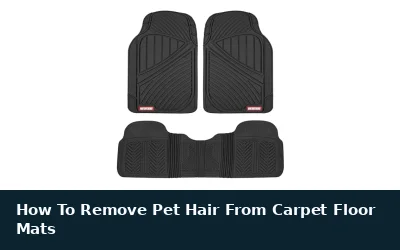
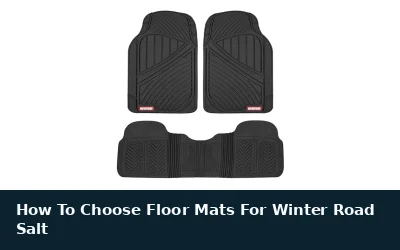
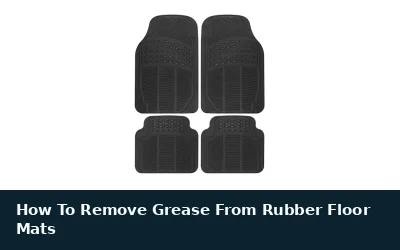
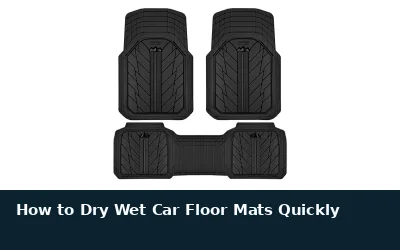
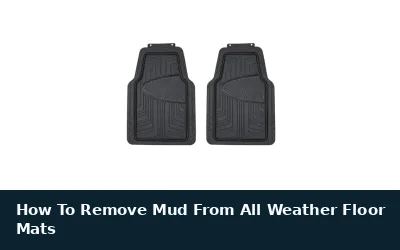
If you need all-weather floor mats and liners for this job, these picks already appear in our all-weather floor mats and liners guides. Check the full guide for fit and who should skip each one.

Pros
- Trim-to-fit design supports use in many cars, trucks, and SUVs.
- Deep channels are designed to help prevent fluids from reaching the carpet.
- Washable rubber construction is easy to clean.
- Anti-slip nibbed backing is designed to grip vehicle carpeting.
Cons
- Universal fit means the mats may require trimming for a specific vehicle.
Specifications
| Color | Black |
|---|---|
| Size | Full Set |
| Dimensions | 27.1 x 17.5 x 2 inches |
| Product Group | Automotive Parts and Accessories |
Best For / Avoid If
Best for buyers prioritizing
- Trim-to-fit design supports use in many cars, trucks, and SUVs.
- Deep channels are designed to help prevent fluids from reaching the carpet.
- Washable rubber construction is easy to clean.
Consider another option if
- Universal fit means the mats may require trimming for a specific vehicle.

Pros
- Trim-to-fit design supports customization for most vehicles
- Heavy-duty rubber construction is designed for durability
- Waterproof, all-weather design helps protect vehicle interiors
- Soap-and-water cleaning is straightforward
Cons
- Universal fit may require trimming to match a specific vehicle
Best For / Avoid If
Best for buyers prioritizing
- Trim-to-fit design supports customization for most vehicles
- Heavy-duty rubber construction is designed for durability
- Waterproof, all-weather design helps protect vehicle interiors
Consider another option if
- Universal fit may require trimming to match a specific vehicle

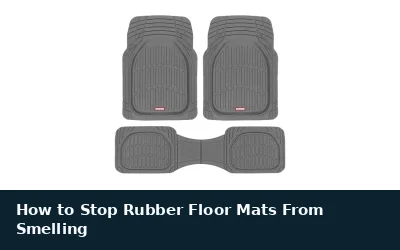
Pros
- Complete four-piece set covers the front and rear seating areas
- Anti-slip rubberized nibs are included on the bottom of each mat
- Padded heel rest and ergonomic grooves add comfort and traction
- Fits most cars, trucks, vans, and SUVs according to the listing
Cons
- Semi-universal sizing may not fit every vehicle
- The listing does not include detailed vehicle-specific compatibility information
Specifications
| Color | Black |
|---|---|
| Size | 25"L x 17.5"W (Front), 13"L x 17.5"W(Rear) |
| Dimensions | 26.1811 x 17.9133 x 0.7874 Inches |
| Weight | 3.77 Pounds |
| Product Group | Automotive Parts and Accessories |
| Binding | Automotive |
Best For / Avoid If
Best for buyers prioritizing
- Complete four-piece set covers the front and rear seating areas
- Anti-slip rubberized nibs are included on the bottom of each mat
- Padded heel rest and ergonomic grooves add comfort and traction
Consider another option if
- Semi-universal sizing may not fit every vehicle
- The listing does not include detailed vehicle-specific compatibility information
FAQ
Can I use a pressure washer on TPE car floor liners?
A moderate hose rinse is a safer routine choice. High-pressure spray may damage edges, attached parts, or finishes, depending on liner construction. Use a pressure washer only if the liner maker permits it and keep the nozzle at a safe distance.
Can I clean TPE liners with vinegar?
Do not assume vinegar is safe for every TPE formulation or finish. Mild soap and water are a more cautious starting point. Follow the liner’s care instructions before using other cleaners.
Can I use tire shine or silicone spray on floor liners?
Avoid these products unless the liner maker specifically approves them. They may leave a slick residue on a surface that drivers step on.
How often should I clean TPE floor liners?
Clean them when dirt, grit, spills, or odor build up. Driving conditions and season affect how quickly they get dirty, so inspect them during routine interior cleaning.
Can I put TPE liners in a washing machine?
Do not machine-wash them unless the liner maker says it is safe. Large molded liners may not fit properly, and machine action could damage the liner or appliance.