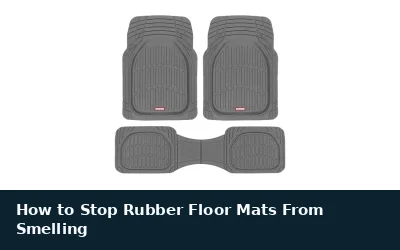
To remove grease from rubber floor mats, lift the mat out of the vehicle, blot away excess grease, then wash it with warm water and mild dish soap. Check the mat’s care instructions first, and keep greasy runoff, cleaning products, and wet mats away from vehicle carpet and pedals.
Key takeaways
- Remove the mat before cleaning so grease and wash water do not reach carpet, pedals, or electrical parts.
- Blot or lift grease before washing; rubbing can spread it across a larger area.
- Start with mild dish soap and a soft brush. Use stronger cleaners only if mat instructions allow them.
- Rinse soap away and let the mat dry fully before reinstalling it.
- Stop if the mat becomes sticky, discolored, swollen, cracked, or otherwise changes during cleaning.
How to remove grease from rubber floor mats
These steps suit many washable rubber or rubber-like mats, but materials and coatings vary. A mat sold as rubber may use thermoplastic elastomer (TPE), vinyl, or a surface coating. Follow the vehicle and mat instructions if they differ from general cleaning advice.
What you need
- Disposable towels or absorbent paper towels
- Mild dish soap
- Warm water, not boiling water
- A soft nylon brush or nonabrasive sponge
- A hose or clean water for rinsing
- Gloves, if you want to avoid skin contact with grease or cleaner
Work outdoors or in a wash area where runoff can be collected or disposed of appropriately. Do not let greasy water flow into a storm drain. Keep children and pets away from the dirty mat and cleaning supplies.
- Remove the mat from the vehicle. Take it out before adding water or cleaner. This keeps liquid from soaking into carpet and lets you clean the mat without reaching under pedals. If the mat is secured by clips, release it as the vehicle or mat instructions direct.
- Lift off excess grease. Use a towel to pick up thick grease. Press and lift instead of scrubbing. Turn to a clean part of the towel as grease transfers. Avoid wiping outward, which can enlarge the stain.
- Absorb the remaining film. Cover the spot with an absorbent material such as paper towel. Press lightly, then lift it away. Repeat with clean material as needed. Do not use loose powder if you cannot contain it; residue can be difficult to remove from grooves and can make a mess.
- Check the care instructions. Look for cleaning limits, warnings about solvents, and any restrictions on washing or temperature. If you cannot identify the mat material, stay with mild soap and water. Do not assume every black, flexible mat tolerates the same cleaner.
- Wash with diluted dish soap. Add a small amount of mild dish soap to warm water. Wet the mat and work the soapy water into the greasy area with a soft brush or sponge. Use light pressure and clean the grooves where grease may collect. Avoid stiff wire brushes and abrasive pads, which can roughen or damage the surface.
- Rinse thoroughly. Rinse both sides if needed, keeping the dirty runoff contained. Soap left in the tread can make the mat slippery. Check grooves, raised edges, and retention holes for grease or cleaner residue.
- Repeat before escalating. If a greasy film remains, repeat the soap-and-brush wash. Several mild cleaning passes are safer than jumping to a solvent that may harm the material.
- Dry fully. Shake off water and let the mat air-dry in a ventilated place, away from high heat and open flame. Check both sides and deep channels. Do not reinstall it while wet.
- Reinstall and check fit. Put the dry mat back in its correct position and engage its retention system as directed. Make sure it lies flat and cannot slide toward the pedals. Never drive with a mat that interferes with accelerator or brake pedal movement.
Choosing a cleaner for grease on rubber
Start with the least aggressive method. Grease can respond to soap because detergent helps loosen oily soil so water can carry it away. The right cleaner still depends on the mat’s material, finish, and care instructions. Test any permitted cleaner on a small, hidden area first, then check for a change in color, texture, or flexibility.
| Cleaning method | When it may help | What to watch for |
|---|---|---|
| Absorbent towel and blotting | Fresh or thick grease that has not spread far | Press and lift; rubbing may spread the stain. |
| Mild dish soap and warm water | Greasy film or residue after blotting | Rinse well so soap does not leave a slick surface. |
| Cleaner approved for the mat material | Persistent residue when soap alone does not work | Follow its label and the mat maker’s care directions. |
| Solvent, fuel, or strong degreaser | Not a default choice for unknown mat material | May affect rubber, coatings, color, or grip; avoid unless instructions explicitly allow it. |
Do not mix cleaning products. In particular, never combine bleach with ammonia or other cleaners. Do not use gasoline, brake cleaner, or paint thinner to clean a floor mat. These products can create exposure and fire hazards, and may damage the mat. A cleaner that removes grease from metal is not automatically suitable for rubber or a rubber-like surface.
What to do if grease reached the vehicle carpet
Keep the mat out while you deal with any grease that escaped onto the carpet. Blot fresh grease with absorbent material; do not grind it into carpet fibers. Use a carpet cleaner only if its label says it suits the carpet and follow the vehicle’s interior-care instructions. Avoid soaking carpet, especially near wiring, connectors, or under-seat equipment.
If grease has soaked below the carpet surface, covers a large area, or has reached electrical components, stop and seek professional interior cleaning or service. The right approach depends on the vehicle’s carpet construction and what lies beneath it. Do not pour water into the footwell to flush grease away.
Common mistakes
- Cleaning the mat inside the car: Grease and dirty water can transfer to carpet or reach pedal areas. Remove the mat first.
- Scrubbing before blotting: This can spread grease and push it into grooves. Lift off what you can before washing.
- Using a harsh chemical by default: Solvents and strong degreasers can affect some rubber-like materials and coatings. Start with mild soap.
- Leaving soap behind: Cleaner residue may make the walking surface slick. Rinse until the surface and grooves feel clean, then dry it.
- Using heat to speed drying: High heat can affect some mat materials. Air-dry away from high heat and flame.
- Reinstalling a wet or loose mat: Water can transfer to carpet, and a mat that shifts can interfere with pedal movement. Dry it and check its fit before driving.
- Assuming every mat is the same: Rubber, TPE, vinyl, and coated mats may have different care limits. Use the instructions for the mat you have.
When to get professional help
Get help if grease has soaked into vehicle carpet, reached wiring or under-seat equipment, or cannot be removed without a stronger chemical that the mat instructions do not allow. Professional cleaning may also make sense if the mat becomes tacky, changes shape, loses its surface finish, or retains a strong odor after washing.
Replace a mat if it is cracked, curled, badly degraded, or no longer stays secured. Cleaning cannot restore damaged material or correct a fit problem. If a mat shifts toward the pedals, remove it until you can fit a suitable replacement.
Gear that can help
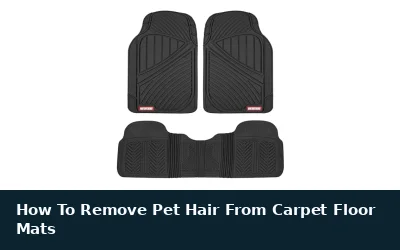
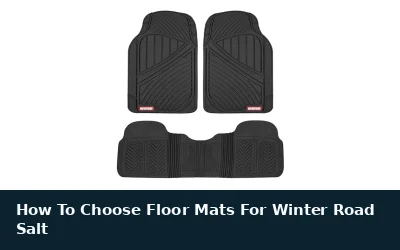
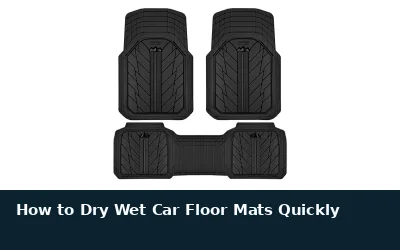
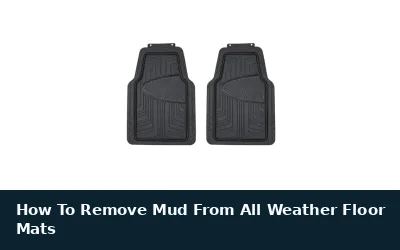
If you need all-weather floor mats and liners for this job, these picks already appear in our all-weather floor mats and liners guides. Check the full guide for fit and who should skip each one.

Pros
- All-weather PVC rubber construction
- Trimmable design for vehicle-specific shaping
- Includes front and rear mats
- Channel construction is designed to hold water, mud, and dirt
Cons
- Mats require trimming for a custom fit
- The listing does not include a detailed specification list
Specifications
| Color | Black |
|---|---|
| Size | 4 Piece |
| Dimensions | 28 x 18 x 1 inches |
| Weight | 7.5 pounds |
| Product Group | Automotive Parts and Accessories |
| Binding | Automotive |
Best For / Avoid If
Best for buyers prioritizing
- All-weather PVC rubber construction
- Trimmable design for vehicle-specific shaping
- Includes front and rear mats
Consider another option if
- Mats require trimming for a custom fit
- The listing does not include a detailed specification list

Pros
- Provides coverage from a three-piece set with two front mats and one rear liner
- Can be trimmed along marked lines for a more customized fit
- Made with polymers described as resistant to cracking and warping
Cons
- Universal design may require trimming to fit a specific vehicle
- The listing does not include a detailed specifications list
Best For / Avoid If
Best for buyers prioritizing
- Provides coverage from a three-piece set with two front mats and one rear liner
- Can be trimmed along marked lines for a more customized fit
- Made with polymers described as resistant to cracking and warping
Consider another option if
- Universal design may require trimming to fit a specific vehicle
- The listing does not include a detailed specifications list

Pros
- Trim-to-fit design supports use in many cars, trucks, and SUVs.
- Deep channels are designed to help prevent fluids from reaching the carpet.
- Washable rubber construction is easy to clean.
- Anti-slip nibbed backing is designed to grip vehicle carpeting.
Cons
- Universal fit means the mats may require trimming for a specific vehicle.
Specifications
| Color | Black |
|---|---|
| Size | Full Set |
| Dimensions | 27.1 x 17.5 x 2 inches |
| Product Group | Automotive Parts and Accessories |
Best For / Avoid If
Best for buyers prioritizing
- Trim-to-fit design supports use in many cars, trucks, and SUVs.
- Deep channels are designed to help prevent fluids from reaching the carpet.
- Washable rubber construction is easy to clean.
Consider another option if
- Universal fit means the mats may require trimming for a specific vehicle.
For a closer look at a related choice, see How to Stop Rubber Floor Mats From Smelling and How To Remove Mildew Smell From Car Floor Mats.
FAQ
Can I use dish soap to remove grease from a rubber floor mat?
Often, yes. Mild dish soap and warm water make a sensible first wash for many washable mats. Check care instructions, use a soft brush, and rinse thoroughly. Material and coating differences mean one cleaning method may not suit every mat.
Can I use baking soda on a greasy mat?
Absorbent powders may help with some fresh residue, but they can lodge in tread grooves and may not suit every surface. Blot first, then use mild soapy water. Avoid powders if you cannot remove them fully.
Can I use an all-purpose degreaser?
Only if both the cleaner label and the mat care instructions allow that use. Some degreasers may affect rubber-like materials or surface coatings. Do not assume a cleaner safe for a garage floor or engine part is safe for an interior mat.
How do I stop the mat from smelling after cleaning?
Rinse away grease and soap, then dry both sides completely in a ventilated area. If an odor remains after the mat is clean and dry, grease may still be trapped in grooves or the material may have absorbed it. Do not cover the odor with fragrance or reinstall a wet mat.