Let wet mud dry, brush away loose dirt, then wash the mat with mild soap and water. How to remove mud from all weather floor mats depends on the mat material and how firmly dirt has settled into its grooves; check the care instructions before using a cleaner or pressure washer.
- Remove mats from the vehicle before cleaning them.
- Let muddy water dry enough to brush off instead of smearing it deeper.
- Use a soft or medium-bristle brush, mild soap, and a controlled rinse.
- Dry mats fully before reinstalling them, and keep them secured in the correct position.
What you need before cleaning
Set up outside or in another spot where dirty rinse water can drain safely. Gather a hose or bucket of clean water, mild dish soap or mat cleaner approved for the material, a soft or medium-bristle brush, and a towel. A vacuum can pick up dry grit after brushing.
Check the mat’s label or care instructions first. “All-weather” describes a mat’s use, not one universal material or finish. Rubber, thermoplastic elastomer, and other molded materials may respond differently to solvents, strong cleaners, heat, or stiff brushes. If instructions are unavailable, start with water and mild soap on a small area.
Do not clean a mat while it sits over vehicle carpet. Removing it keeps loosened mud and wash water away from the interior and lets you inspect the footwell separately. Mats can have vehicle-specific shapes and retention points, so keep track of which mat belongs in each position.
How to remove mud from all weather floor mats
- Remove the mats. Turn off the vehicle, open the doors, and take each mat out carefully. Do not pull against a retention clip. If a mat is held by fasteners, release it as its instructions describe.
- Let wet mud dry. Place the mat on a washable surface and give wet mud time to firm up. Mud that is still wet tends to smear across the mat and spread into carpet if cleaned in the vehicle. Do not use a heat gun or open flame to speed drying.
- Loosen the dried soil. Hold the mat over a suitable outdoor surface and tap its underside gently. Brush from the mat’s higher areas toward its grooves and edges. Use bristles that loosen dirt without gouging or scuffing the surface.
- Vacuum loose grit if needed. A vacuum can remove dry particles left after brushing. Avoid vacuuming wet mud, which can clog equipment or spread soil. Check the vacuum manufacturer’s instructions before using it on damp debris.
- Rinse with controlled water flow. Rinse from the cleanest area toward the dirtiest, directing loosened mud away from the mat. A hose is usually easier to control than a pressure washer. High-pressure water can damage some mats, finishes, labels, or molded edges, so use it only if mat instructions allow it.
- Wash grooves and corners. Apply mild soap or a compatible mat cleaner. Work the brush through channels, textured areas, and raised edges where soil collects. Use light pressure and rinse the brush often so it does not drag grit across the surface.
- Rinse until soap and soil are gone. Check grooves and underside. Leftover cleaner can leave a film, while trapped grit can transfer back to shoes or carpet. Repeat a gentle wash on stubborn areas rather than switching at once to a harsh chemical.
- Dry both sides. Shake off excess water, then air-dry the mat in a ventilated place. Wipe it with a clean towel if helpful. Make sure the underside and channels are dry before the mat goes back into the cabin.
- Inspect and reinstall correctly. Check for damage, confirm the mat matches its seating position, and engage its retention points. Make sure it lies flat and cannot slide toward the pedals. Never stack a floor mat over another mat.
Cleaning method by mud condition
| Condition | Best first step | Watch for |
|---|---|---|
| Fresh, wet mud | Remove mat and let mud firm up before brushing. | Smearing mud into grooves or vehicle carpet. |
| Dry surface dust | Shake, brush, or vacuum loose particles. | Scratching the finish with gritty debris. |
| Packed grooves | Rinse gently, then brush with mild soapy water. | Using a sharp tool or excessive pressure. |
| Persistent stain or odor | Repeat a mild wash and rinse; check care instructions. | Mixing cleaners or using an unapproved solvent. |
| Mud on vehicle carpet | Blot or lift loose soil without soaking the carpet. | Applying mat-cleaning methods to carpet or wiring. |
How to clean mud packed into grooves
Grooves hold soil because mud dries into the mat’s channels. Rinse the area first to soften the dirt, then brush along the grooves. A soft detailing brush can reach narrow channels; choose one that fits without scraping the mat. Rinse again and inspect from more than one angle.
A plastic tool with a rounded edge can help lift a stubborn clump, but avoid knives, metal picks, and screwdrivers. They can cut the mat or leave marks. If a groove stays discolored after dirt is gone, it may be a stain or material change rather than remaining mud. Use a compatible cleaner only after checking the mat’s care guidance.
What to do if mud reaches the carpet
Keep the floor mat out of the vehicle and remove loose mud from the carpet with a spoon or other blunt edge. Work gently so dirt does not spread. Blot damp soil with a clean towel instead of rubbing. Avoid flooding the carpet; moisture can reach padding beneath the surface, where drying takes longer.
Once loose dirt is removed, use a carpet cleaner suitable for automotive interiors and follow its label. Keep cleaner away from electrical connectors and other components beneath seats. Vehicle layouts differ by model and model year, so do not assume every footwell has the same wiring or equipment. If water has reached electrical components, or the carpet stays damp or develops an odor, stop and ask an automotive detailer or repair professional to assess it.
Common mistakes
- Scrubbing wet mud right away: This spreads soil and can push it deeper into grooves. Let it dry enough to lift cleanly.
- Using a pressure washer without checking instructions: Strong water flow can damage some mat materials or finishes. A hose and brush give more control.
- Using harsh chemicals: Solvents, bleach, and strong degreasers may discolor or degrade some materials. Never mix cleaners, and follow product labels.
- Scraping with sharp tools: Metal edges can cut or gouge molded surfaces. Use a brush or blunt plastic edge instead.
- Putting a damp mat back in the car: Trapped moisture can contribute to odors and wet carpet. Dry the mat fully, including its underside.
- Ignoring mat fit and retention: A mat that shifts can interfere with pedal movement. Reinstall only in its intended position, with retention points engaged.
- Cleaning the mat over the carpet: Rinse water and loosened mud can enter the footwell. Take the mat out first.
When to get professional help
Ask a professional detailer for help if mud has worked into carpet padding, a large area remains wet, or odor persists after the surface dries. Seek automotive repair help if water may have reached wiring or electrical connectors. Do not remove seats or interior panels to reach damp areas unless the vehicle service information supports that work; some vehicles have safety-related wiring beneath seats.
Replace or stop using a mat if it is torn, badly deformed, or cannot stay secured in its intended position. A loose or damaged mat can move near the pedals. Use the vehicle owner’s manual for mat placement and retention instructions.
Keep future mud cleanup manageable
Shake or brush off loose soil before it dries into the grooves. Clean both sides when needed, since dirt on the underside can transfer to carpet. For a vehicle that carries muddy boots, pets, or outdoor gear, a cargo liner protects a separate area from floor mats. See our guide to cargo liners for dogs and easier cleanup if muddy paws are part of the problem.
Fit also matters: a mat should match the vehicle’s seating position and retention points. Our F350 Crew Cab floor mat guide explains why fitment matters for that specific cab configuration.
Gear that can help
If you need all-weather floor mats and liners for this job, these picks already appear in our all-weather floor mats and liners guides. Check the full guide for fit and who should skip each one.

Pros
- Trim-to-fit design supports customization
- All-weather coverage is intended for varied conditions
- Traction features are included on both the surface and underside
- 30 x 20.5-inch dimensions are provided for compatibility checks
Cons
- Set includes only two front mats
- Vehicle compatibility requires checking the 30 x 20.5-inch dimensions
- Trimming may be needed for a customized fit
Specifications
| Color | Black |
|---|---|
| Size | 29.1 x 19.5 inches |
| Dimensions | 30 x 20.4724 x 1.1417 Inches |
| Weight | 5.070632026 pounds |
| Product Group | Automotive Parts and Accessories |
| Binding | Automotive |
Best For / Avoid If
Best for buyers prioritizing
- Trim-to-fit design supports customization
- All-weather coverage is intended for varied conditions
- Traction features are included on both the surface and underside
Consider another option if
- Set includes only two front mats
- Vehicle compatibility requires checking the 30 x 20.5-inch dimensions
- Trimming may be needed for a customized fit

Pros
- All-weather PVC rubber construction
- Trimmable design for vehicle-specific shaping
- Includes front and rear mats
- Channel construction is designed to hold water, mud, and dirt
Cons
- Mats require trimming for a custom fit
- The listing does not include a detailed specification list
Specifications
| Color | Black |
|---|---|
| Size | 4 Piece |
| Dimensions | 28 x 18 x 1 inches |
| Weight | 7.5 pounds |
| Product Group | Automotive Parts and Accessories |
| Binding | Automotive |
Best For / Avoid If
Best for buyers prioritizing
- All-weather PVC rubber construction
- Trimmable design for vehicle-specific shaping
- Includes front and rear mats
Consider another option if
- Mats require trimming for a custom fit
- The listing does not include a detailed specification list

Pros
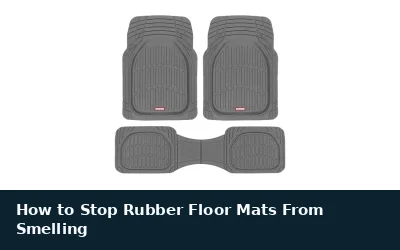
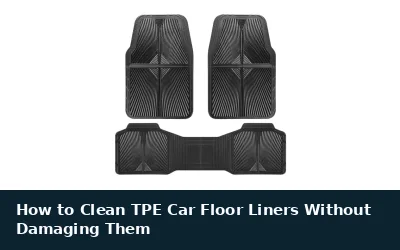
- Provides coverage from a three-piece set with two front mats and one rear liner
- Can be trimmed along marked lines for a more customized fit
- Made with polymers described as resistant to cracking and warping
Cons
- Universal design may require trimming to fit a specific vehicle
- The listing does not include a detailed specifications list
Best For / Avoid If
Best for buyers prioritizing
- Provides coverage from a three-piece set with two front mats and one rear liner
- Can be trimmed along marked lines for a more customized fit
- Made with polymers described as resistant to cracking and warping
Consider another option if
- Universal design may require trimming to fit a specific vehicle
- The listing does not include a detailed specifications list
FAQ
Can I use dish soap on all-weather floor mats?
Mild dish soap is a reasonable starting point for many washable mats, but material and finish vary. Check the mat’s care instructions, use a small amount, and rinse thoroughly.
Should I remove mud while it is wet or wait?
Remove the mat while mud is wet, but let the mud firm up before brushing. This usually makes soil easier to lift without smearing it across the surface.
Can I use a pressure washer?
Only if the mat’s instructions allow it. A regular hose and brush offer more control and reduce the chance of damaging a surface or edge.
How do I stop a floor mat from sliding after cleaning?
Dry it, place it in its correct position, and engage its intended retention points. Do not stack mats or use a mat that cannot stay flat and secured.