Car floor mats curl at the edges when heat, repeated flexing, poor fit, or storage bends the material and it no longer lies flat. Check whether the mat is correctly positioned and secured before trying to flatten it, because a loose or curled driver mat can interfere with the pedals.
Key takeaways
- Heat and repeated foot pressure can make some mat materials bend or lose their shape.
- A mat that does not match the vehicle’s floor shape may curl because its edges have nowhere to sit flat.
- Remove debris and check the retention points before attempting a material-based fix.
- Never drive with a driver mat that moves, folds, or can reach the accelerator or brake pedal.
- Replace a mat that stays distorted, has damaged fasteners, or cannot be secured in its intended position.
Why car floor mats curl at the edges
Car floor mats curl at the edges for several reasons, and the cause affects what may help. A corner that lifts after cleaning may need to dry flat. A driver mat that keeps folding near the pedals may be the wrong shape, worn, or no longer held by its retainers. Look at the whole mat and its attachment points rather than treating every curl as a material problem.
Heat and temperature changes
Cabin temperatures can rise when a vehicle sits in direct sun. Flexible materials may soften as they warm, then hold a bend after cooling, especially if a mat was already folded or pressed against something. Temperature changes can contribute to distortion, but they do not prove heat is the only cause.
Do not use a heat gun, open flame, or very hot water to reshape a mat. Heat can damage or distort the mat, affect its backing, or create a burn hazard. A material-safe approach depends on the mat maker’s care instructions.
Repeated foot pressure and wear
Drivers place and shift their feet in the same areas every trip. Over time, repeated pressure can bend an edge or wear down the mat’s backing. The driver’s heel area may also become compressed, making the mat less able to lie evenly on the carpet.
Wear is more likely if the mat has a split, a thinning patch, a broken attachment hole, or a backing that flakes away. Those signs point to a damaged mat, not just a temporary fold.
Poor fit or incorrect placement
A mat made for another vehicle, a different seating row, or a different model year may not follow the floor’s shape. Even within one model line, floor contours and factory retention systems can vary by year or trim. A mat that is too large may press against a console or seat rail, forcing an edge upward. A mat that is too small may shift and expose carpet.
Check the mat’s application against the exact vehicle year, make, model, and seating position. For a fitment example, see our guide to floor mats for an F-350 Crew Cab, which explains why fitment matters for a specific cab configuration.
Storage, shipping, or cleaning
A mat stored rolled, folded, or bent may keep that shape after it goes back in the vehicle. Cleaning can also reveal a curl if a mat was put away before it dried or was left over a raised object. Dirt trapped underneath may lift a corner and make the mat appear permanently warped.
Quick symptom-to-cause checklist
| What you see | Possible cause | First check |
|---|---|---|
| One corner lifts, but mat otherwise fits | Debris, a temporary bend, or uneven drying | Remove mat, clean and dry it, then inspect the floor. |
| Several edges lift or mat rocks in place | Wrong shape, distortion, or an obstruction underneath | Compare the mat outline with the floor and check seat rails. |
| Mat slides or turns when stepped on | Missing, damaged, or unengaged retention point | Check factory hooks and mat openings for damage. |
| Driver mat bends toward pedals | Unsafe placement, poor fit, or loss of shape | Do not drive until mat is removed or securely corrected. |
| Backing cracks, flakes, or separates | Material or backing damage | Replace if mat cannot lie flat and stay secured. |
How to check and fix a curled mat safely
- Park and inspect. Put the vehicle in Park, apply the parking brake, and switch it off. Check the driver mat before driving. If it can touch a pedal or move underfoot, remove it.
- Take the mat out. Release its retainers as intended. Do not pull hard against a fastener that appears stuck or damaged.
- Clean the floor and mat. Remove grit and objects from beneath the mat. Clean it using care instructions appropriate to its material, then let it dry fully.
- Check the fit and retainers. Match the mat to its intended position and vehicle application. Make sure factory anchors engage the correct openings. Do not stack mats or add makeshift fasteners.
- Let a mild bend relax only if instructions allow. Place the clean, dry mat on a flat surface in a temperature suitable for its material. Avoid weights that could crease or damage it. Follow the mat maker’s directions if they give a specific reshaping method.
- Reinstall and test position while parked. Confirm the mat lies flat, sits in the intended area, and engages its retainers. Check that it cannot slide toward the pedals. If it still lifts or moves, remove it rather than driving with it.
These checks apply broadly, but material and retention designs differ. Rubber, thermoplastic, carpet-backed, and foam-backed mats may react differently to water, cleaning agents, and warmth. Vehicle floor shapes and anchor systems also vary by model year and trim, so use the vehicle and mat instructions for the exact setup.
When should you replace a curled floor mat?
Replace a mat if it remains curled after cleaning and an appropriate flat-rest period, or if it will not stay secured in its intended position. A broken retention opening, torn edge, separated backing, or deep permanent fold can stop the mat from sitting safely.
Do not cut, punch, or trim a driver mat to make it fit unless its maker specifically permits that change. A cut can weaken the edge or interfere with a retention point. Do not use adhesive strips, screws, or improvised hooks as substitutes for the vehicle’s intended mat retainers.
For cargo areas, the same fit-and-coverage question applies, but cargo liners do not face pedal interference. Our guides to cargo liners for dogs and Hyundai Santa Cruz cargo liners cover different cargo-area fit needs.
Common mistakes
- Driving with a loose driver mat. A mat that shifts or folds can obstruct pedal movement. Remove it until it can be secured correctly.
- Putting one mat on top of another. Stacked mats can move and change how the driver’s foot reaches the pedals.
- Forcing a mismatched mat flat. Pressure may hide a fit problem briefly without correcting it.
- Using high heat without checking care instructions. Heat can damage the mat or its backing and may make the curl worse.
- Ignoring broken retention points. A mat that cannot attach as intended may continue to shift even after its edges look flat.
- Assuming every curl means the mat is defective. A trapped object, damp backing, or incorrect placement can cause a temporary lift.
When to get professional help
Ask a dealer or qualified automotive service professional for help if the factory floor anchors are damaged, missing, or unclear, or if a mat still interferes with pedal movement after removal and inspection. The vehicle’s owner’s manual can identify intended retention points and any model-specific floor-mat guidance.
If a pedal feels blocked or does not return normally, do not keep driving to test the mat. Remove the mat when safe and have the pedal area inspected if the problem remains. A floor mat should never be used to explain away a pedal issue that continues with the mat removed.
Gear that can help
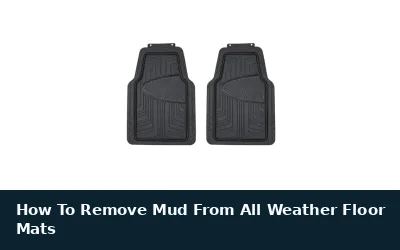
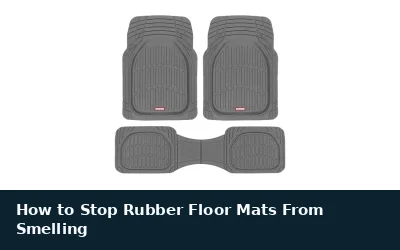
If you need all-weather floor mats and liners for this job, these picks already appear in our all-weather floor mats and liners guides. Check the full guide for fit and who should skip each one.

Pros
- Provides all-weather coverage for dirt and debris
- Trim-to-fit design allows adjustment for different vehicle floors
- Deep profile is designed to contain water, snow, mud, and road salt
- Listing states the mats are designed for resistance to cracking, deforming, curling, and hardening
Cons
- Universal design requires checking dimensions and may require trimming
Specifications
| Color | all black |
|---|---|
| Size | Universal Fit |
| Dimensions | 27.5 x 18.7 x 1 inches |
| Product Group | Automotive Parts and Accessories |
Best For / Avoid If
Best for buyers prioritizing
- Provides all-weather coverage for dirt and debris
- Trim-to-fit design allows adjustment for different vehicle floors
- Deep profile is designed to contain water, snow, mud, and road salt
Consider another option if
- Universal design requires checking dimensions and may require trimming

Pros
- Trim-to-fit design supports customization
- All-weather coverage is intended for varied conditions
- Traction features are included on both the surface and underside
- 30 x 20.5-inch dimensions are provided for compatibility checks
Cons
- Set includes only two front mats
- Vehicle compatibility requires checking the 30 x 20.5-inch dimensions
- Trimming may be needed for a customized fit
Specifications
| Color | Black |
|---|---|
| Size | 29.1 x 19.5 inches |
| Dimensions | 30 x 20.4724 x 1.1417 Inches |
| Weight | 5.070632026 pounds |
| Product Group | Automotive Parts and Accessories |
| Binding | Automotive |
Best For / Avoid If
Best for buyers prioritizing
- Trim-to-fit design supports customization
- All-weather coverage is intended for varied conditions
- Traction features are included on both the surface and underside
Consider another option if
- Set includes only two front mats
- Vehicle compatibility requires checking the 30 x 20.5-inch dimensions
- Trimming may be needed for a customized fit

Pros
- All-weather PVC rubber construction
- Trimmable design for vehicle-specific shaping
- Includes front and rear mats
- Channel construction is designed to hold water, mud, and dirt
Cons
- Mats require trimming for a custom fit
- The listing does not include a detailed specification list
Specifications
| Color | Black |
|---|---|
| Size | 4 Piece |
| Dimensions | 28 x 18 x 1 inches |
| Weight | 7.5 pounds |
| Product Group | Automotive Parts and Accessories |
| Binding | Automotive |
Best For / Avoid If
Best for buyers prioritizing
- All-weather PVC rubber construction
- Trimmable design for vehicle-specific shaping
- Includes front and rear mats
Consider another option if
- Mats require trimming for a custom fit
- The listing does not include a detailed specification list
FAQ
Can I flatten a curled car mat with hot water?
There is no safe method that applies to every mat material. Hot water may affect a mat or its backing. Check its care instructions first; do not use hot water if the maker does not allow it.
Why does a new floor mat curl?
A new mat may retain a bend from packaging or storage, or it may not match the vehicle’s floor shape. Let it rest flat only as its care instructions allow, and check its fit and retention points before installation.
Can a curled mat damage my car’s carpet?
A lifted edge can leave carpet exposed to dirt and moisture. Dirt trapped under a moving mat may also rub against carpet. Remove and clean the mat and floor; address leaks or wet carpet separately.
Is it safe to drive without the driver floor mat?
Removing a loose or unsafe mat is safer than driving with one that may reach a pedal. Follow the vehicle manual, and do not drive if anything still blocks or affects pedal movement.