To remove sand from car carpet, take out the floor mats, let damp sand dry, and vacuum the carpet slowly with a crevice tool and soft brush. Work from the top down, using short brush strokes to loosen grains without grinding them deeper into the fibers.
You will need a vacuum with a clean filter, a carpet-safe brush, and a place to shake out or clean removable mats. Avoid soaking the carpet or spraying cleaner before removing dry sand. Moisture can bind grit to fibers and may leave damp padding beneath the carpet.
Key takeaways
- Remove and clean mats separately before working on the vehicle carpet.
- Let wet or damp sand dry before vacuuming when practical.
- Use a soft brush to loosen sand, then vacuum in several directions.
- Do not use compressed air around people, electronics, or loose interior trim.
- Persistent dampness, odor, or sand beneath fixed carpet may need professional cleaning.
How to remove sand from car carpet step by step
- Park somewhere you can clean safely. Choose a well-ventilated area and keep sand away from open doors if wind could blow it back inside. Turn off the vehicle. Move loose belongings out of the footwell so you can see where sand has collected.
- Remove floor mats. Lift each mat out without shaking it over the carpet. Mats can hold a large amount of grit, and shaking them inside sends sand back into the cabin. Check how each mat attaches before removing it. Some use clips or retainers that should remain secured when the mat goes back in.
- Dry damp sand before vacuuming. If sand came in on wet shoes, allow it to air-dry when conditions permit. Do not use a hot air gun or place a portable heater near the interior. Once dry, loose grains are easier for a household or shop vacuum to collect. If sand is muddy, remove surface clumps gently and let the carpet dry before vacuuming the remaining grit.
- Vacuum loose debris first. Use a crevice attachment around seat rails, along the center console, and at carpet edges. Keep the nozzle close to the surface, but avoid forcing it beneath trim or pulling on wiring. Move slowly so the vacuum has time to collect grains instead of pushing them across the carpet.
- Brush the carpet while vacuuming. Use a clean, soft-bristled upholstery brush. Make short strokes across a small area, then vacuum the loosened sand. Brush in more than one direction because carpet fibers can hold grit along their sides. Use light pressure; stiff bristles or hard scrubbing can rough up carpet fibers.
- Repeat in sections. Work from higher areas toward the floor, and clean one small patch at a time. Vacuuming again after brushing often collects grains that were not reachable on the first pass. Check the carpet under seat edges and beside the door sill, where sand can settle out of sight.
- Clean the mats outside the cabin. Vacuum fabric mats from several directions. For rubber or molded mats, remove loose sand and follow the mat maker’s cleaning instructions. Let washed mats dry fully before reinstalling them. A wet mat can keep the carpet beneath it damp.
- Check your work before replacing items. Run a clean hand lightly across the carpet to feel for remaining grit. If you still feel sand, brush and vacuum that area again. Refit each mat in its intended position and secure its retainers. A mat that shifts or catches on a pedal can interfere with driving.
Tools and method by sand condition
| Sand condition | Useful approach | Watch for |
|---|---|---|
| Dry, loose sand | Vacuum with a crevice tool, then brush and vacuum again. | Fast nozzle movements can scatter grains into nearby gaps. |
| Dry sand pressed into carpet | Use a soft brush in short strokes while vacuuming. | Hard scrubbing can wear or fuzz carpet fibers. |
| Damp sand | Let the area dry, remove loose clumps gently, then vacuum. | Do not soak carpet or hide moisture under a mat. |
| Sand on removable rubber mats | Take mats out, clear grit outside, and clean per mat instructions. | Dry mats before putting them back in the vehicle. |
| Grit beneath fixed carpet or trim | Vacuum reachable edges without pulling trim or wiring. | Stop if access requires removing seats, trim, or electrical parts. |
How to remove sand from carpet without damaging it
Vacuuming and gentle brushing are the lowest-risk starting methods for ordinary automotive carpet. Use an upholstery brush with soft bristles, not a stiff shop brush or metal tool. Brush only hard enough to lift grit. If the carpet starts to fuzz, stop and reduce pressure.
A vacuum’s attachments and suction vary, so there is no single setting that suits every carpet or machine. Begin with an upholstery or crevice attachment and avoid pressing a narrow nozzle into the pile. Check the vacuum manual if it has a powered brush head; some heads may be too aggressive for delicate carpet or loose fibers.
Compressed air can push sand into seat mechanisms, electrical connectors, or deeper carpet layers. It can also send grit toward eyes and faces. For routine cleaning, use a vacuum instead. If you use compressed air in a shop setting, follow the tool’s safety instructions and keep people clear of the airflow.
Should you use water or carpet cleaner?
Usually, remove sand before adding water or cleaner. Wet cleaning does not replace grit removal. If you apply liquid first, sand may turn into a paste that sticks between fibers or moves deeper into the carpet backing.
After vacuuming, a small remaining stain may call for an automotive upholstery cleaner. Read its label and check that it is suitable for your carpet material. Test it on a hidden area first, apply only as directed, and avoid saturating the carpet. Some vehicles have carpet padding and sound-deadening material below the visible surface, and trapped moisture can take longer to dry than the top layer.
If you spill saltwater, muddy water, or another material that needs more than dry cleaning, follow the vehicle and cleaner instructions. Do not assume that a household steam cleaner or strong solvent is safe for every interior. Carpet materials, dyes, adhesives, and under-carpet components vary by vehicle model and year.
How to get sand out of tight spaces
Use a narrow vacuum attachment around seat tracks and along the edges of the center console. Move the seat only through its normal controls, and keep fingers, tools, and vacuum parts clear of moving rails. Do not tug on wires or connectors beneath a seat. Depending on model year and equipment, that area may contain electrical connections or safety-system components.
If sand is caught beneath a seat or under fixed trim, clean only what you can reach without forcing access. Removing a seat or interior panel can involve vehicle-specific fasteners, wiring, or safety equipment. A service professional can advise whether disassembly is needed and how to handle it for your vehicle.
Common mistakes
- Vacuuming wet sand. Damp grit can cling to fibers and may clog or soil vacuum parts. Dry the area first when practical.
- Shaking mats inside the car. This spreads grit back into the footwell. Take mats outside before cleaning them.
- Scrubbing hard before vacuuming. Aggressive brushing can grind sand into carpet and damage fibers. Lift grit with light strokes and vacuum as you go.
- Using a wet cleaner too soon. Remove dry debris first to avoid turning loose sand into muddy residue.
- Blowing grit into gaps. Air can drive sand deeper beneath trim and toward electrical parts. Vacuum reachable areas instead.
- Reinstalling a wet mat. Moisture trapped underneath can keep carpet damp. Let the mat dry fully before returning it.
- Leaving a mat loose. Refit retainers as intended and check that the mat does not shift or interfere with pedals.
When to get professional help
Ask an automotive detailer or service professional for help if sand remains beneath fixed carpet, if the carpet stays wet, or if a musty smell develops after drying. These signs can point to grit or moisture below the surface, where ordinary vacuuming cannot reach.
Stop cleaning and seek advice if you find damaged wiring, a loose electrical connector, or trim that must be removed to reach the sand. The safe removal method can vary by vehicle model and year. Do not pull apart seat connections or safety-system components to finish a carpet cleanup.
How to keep sand out of car carpet
Clean removable mats before returning them to the car, and brush sand from shoes outside when possible. Keep a small hand brush or towel near the entry point if beach trips or sandy work sites are common. Empty gear bags outside the cabin rather than over the footwell.
For repeated exposure, a well-fitting mat can make cleanup easier, but fit and retention matter. Mats differ by vehicle and model year, so choose the correct floor position and keep factory retainers in use where required. A mat must lie flat and stay clear of pedals. For coverage questions, see our guide to floor mat fitment for F-350 crew cabs.
Gear that can help
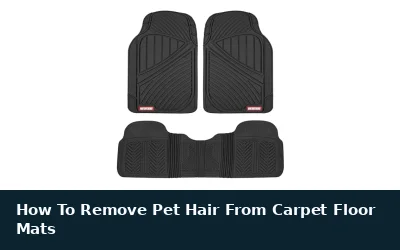
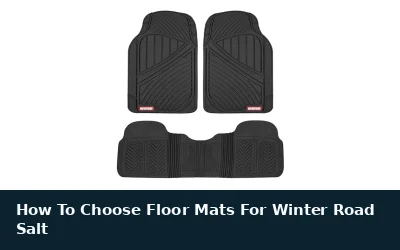
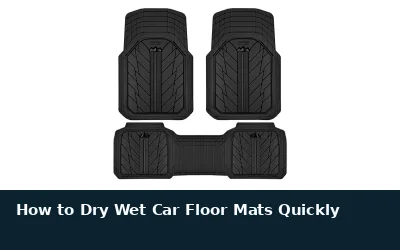
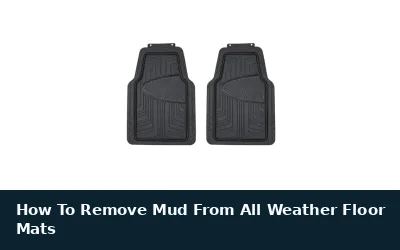
If you need all-weather floor mats and liners for this job, these picks already appear in our all-weather floor mats and liners guides. Check the full guide for fit and who should skip each one.

Pros
- Trim-to-fit design supports use in many cars, trucks, and SUVs.
- Deep channels are designed to help prevent fluids from reaching the carpet.
- Washable rubber construction is easy to clean.
- Anti-slip nibbed backing is designed to grip vehicle carpeting.
Cons
- Universal fit means the mats may require trimming for a specific vehicle.
Specifications
| Color | Black |
|---|---|
| Size | Full Set |
| Dimensions | 27.1 x 17.5 x 2 inches |
| Product Group | Automotive Parts and Accessories |
Best For / Avoid If
Best for buyers prioritizing
- Trim-to-fit design supports use in many cars, trucks, and SUVs.
- Deep channels are designed to help prevent fluids from reaching the carpet.
- Washable rubber construction is easy to clean.
Consider another option if
- Universal fit means the mats may require trimming for a specific vehicle.

Pros
- Trim-to-fit design supports customization for most vehicles
- Heavy-duty rubber construction is designed for durability
- Waterproof, all-weather design helps protect vehicle interiors
- Soap-and-water cleaning is straightforward
Cons
- Universal fit may require trimming to match a specific vehicle
Best For / Avoid If
Best for buyers prioritizing
- Trim-to-fit design supports customization for most vehicles
- Heavy-duty rubber construction is designed for durability
- Waterproof, all-weather design helps protect vehicle interiors
Consider another option if
- Universal fit may require trimming to match a specific vehicle

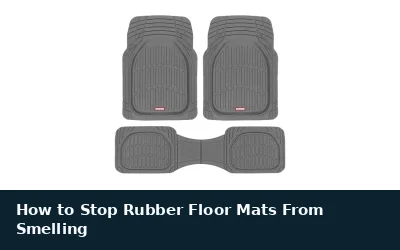
Pros
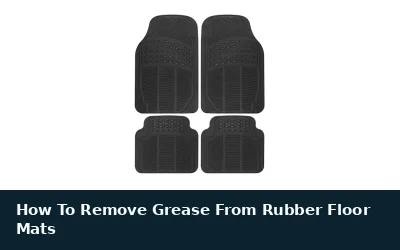
- Complete four-piece set covers the front and rear seating areas
- Anti-slip rubberized nibs are included on the bottom of each mat
- Padded heel rest and ergonomic grooves add comfort and traction
- Fits most cars, trucks, vans, and SUVs according to the listing
Cons
- Semi-universal sizing may not fit every vehicle
- The listing does not include detailed vehicle-specific compatibility information
Specifications
| Color | Black |
|---|---|
| Size | 25"L x 17.5"W (Front), 13"L x 17.5"W(Rear) |
| Dimensions | 26.1811 x 17.9133 x 0.7874 Inches |
| Weight | 3.77 Pounds |
| Product Group | Automotive Parts and Accessories |
| Binding | Automotive |
Best For / Avoid If
Best for buyers prioritizing
- Complete four-piece set covers the front and rear seating areas
- Anti-slip rubberized nibs are included on the bottom of each mat
- Padded heel rest and ergonomic grooves add comfort and traction
Consider another option if
- Semi-universal sizing may not fit every vehicle
- The listing does not include detailed vehicle-specific compatibility information
FAQ
Can a regular vacuum remove sand from car carpet?
Yes, a household or shop vacuum can collect loose sand if its attachments reach the affected area. A soft brush helps loosen grains pressed into the carpet. Vacuum performance varies by machine, so work slowly and repeat as needed.
How do I remove wet sand from car carpet?
Remove loose clumps gently and let the carpet dry before vacuuming when practical. Avoid adding more water unless a suitable cleaner is needed for residue. Check beneath mats afterward to make sure the area is dry.
Can I use baking soda to remove sand?
Baking soda does not lift sand from carpet fibers. Vacuum and brush the grit first. If odor remains after the carpet is clean and dry, use a product suited to automotive upholstery and follow its label.
Will compressed air get sand out faster?
It can move sand, but may blow grit deeper into gaps or toward people and electrical parts. A vacuum gives you more control for ordinary interior cleaning.
How often should I clean sand from car carpet?
Clean it when you notice grit accumulating, especially after beach trips or work in sandy areas. Frequent removal helps prevent grains from being pressed deeper into carpet by shoes and foot traffic.