Jack stands are indispensable tools for automotive maintenance, providing a stable platform to support a vehicle while it is lifted for repairs, inspections, or modifications. To choose jack stands for a vehicle, prioritize matching the stand’s capacity to the vehicle’s weight, selecting the correct dimensions for your working environment, and ensuring all safety features are present. This approach minimizes the risk of equipment failure and ensures the vehicle remains securely supported throughout the job.
Proper selection of jack stands can make the difference between a safe repair and a potentially dangerous situation. Whether you are a professional mechanic or a DIY enthusiast, understanding these factors will help you choose equipment that is reliable and appropriate for your needs. In the context of vehicle technology, including diagnostics, safety equipment, power systems, and practical accessories, a secure lift is fundamental to prevent damage to critical components and ensure the safety of everyone involved in the work.
Key Takeaways
- Match the load capacity of the jack stands to at least three times the weight of your vehicle.
- Consider the height range and width of the stands to fit your vehicle’s frame and workspace.
- Look for stands with locking mechanisms and wide, non-slip pads.
- Choose from reputable manufacturers to ensure quality and durability.
- Inspect your jack stands regularly before each use.
What Are Jack Stands and How Do They Work?
Jack stands are adjustable supports, typically consisting of two or four legs connected by a horizontal bar, designed to cradle the underside of a vehicle. They are used in conjunction with a floor jack to lift the vehicle to a safe working height. The stands hold the vehicle in place while work is performed underneath, such as brake jobs, oil changes, or electrical diagnostics.
There are different types of jack stands, including screw-type and ratchet-type. Screw-type stands use a threaded rod for fine adjustments, offering precision but slower operation. Ratchet-type stands allow for quicker height changes using a pawl mechanism. Both types are effective when properly used, but the choice depends on the frequency of adjustments needed and the space available. Understanding these mechanisms helps in selecting the right tool for specific automotive tasks.
Determining the Right Load Capacity
The load capacity of jack stands is one of the most critical factors to consider. Stands are typically rated in tons, with common ratings being 1.5 tons, 2 tons, 3 tons, or higher. For safety, the stand should be rated for at least three times the weight of the vehicle it will support. This safety margin accounts for dynamic loads and potential shifts.
To determine the appropriate capacity, start with the vehicle’s curb weight, which can be found in the owner’s manual or online resources. Add the weight of passengers, cargo, and any fluids. For example, a compact car might weigh around 2,500 to 3,500 pounds, requiring stands rated for at least 7,500 to 10,500 pounds. Heavier vehicles like trucks or SUVs will need even higher ratings, sometimes up to 6 tons or more.
Always check the manufacturer’s specifications, as ratings can vary. Some stands are rated for static loads only, while others can handle dynamic conditions. Ignoring this can lead to catastrophic failure, which is why it’s essential to choose stands that exceed the required capacity. The 3:1 safety factor is a standard in the industry for jack stands. This means the stand is designed to support three times the rated load without permanent deformation. This factor is important because it accounts for uncertainties in load distribution and potential dynamic forces during vehicle movement.
Manufacturers perform tests to verify this capacity. They apply the load gradually and observe the stand’s behavior. If the stand remains stable and does not deform, it passes the test. This rigorous process ensures reliability in automotive applications where precision and safety are paramount.
Selecting the Appropriate Height and Width
Height is another important consideration. Low-profile jack stands are suitable for vehicles with low ground clearance, while high-lift stands are necessary for taller vehicles like trucks. The height range should allow the stand to fit under the vehicle’s frame rails without bottoming out.
Width refers to the distance between the legs. Narrow stands are ideal for tight engine compartments, while wider stands provide greater stability for heavier loads. Measure the space available under the vehicle to ensure the stands will fit without interfering with other components.
Compatibility with your vehicle is crucial. Different vehicles have unique frame designs and lift points. Always refer to the vehicle’s service manual for recommended lift points and maximum lift heights. Using stands that are too narrow or too wide may not provide a secure fit, potentially leading to the vehicle shifting. For vehicles with unique features, such as those with advanced electronics or specific charging systems, ensure the stands do not interfere with any components. This is particularly relevant for electric vehicles where battery placement and cooling systems may require careful consideration.
Types of Jack Stands
There are several types of jack stands to choose from, each with its own advantages and limitations.
| Type | Description | Pros | Cons |
|---|---|---|---|
| Screw-Type | Adjustable via threaded rod | Precise adjustments, stable | Slower to adjust, less common for heavy use |
| Ratchet-Type | Quick adjustment with pawl | Fast height changes, durable | May require more maintenance, less precise |
| Two-Post | Two legs per stand | Compact, easy to store | Less stable for very heavy loads |
| Four-Post | Four legs per stand | Excellent stability | Bulkier, more expensive |
Two-post stands are the most common for general automotive use, while four-post stands are preferred for heavier vehicles or when maximum stability is required. Consider the type that best matches the demands of your vehicle and the tasks you perform. Understanding the differences helps in making an informed choice based on the specific needs of the vehicle and the work environment.
Safety Features to Include in Your Selection
Safety should be the top priority when choosing jack stands. Look for stands with built-in locking pins or mechanisms to prevent accidental lowering. Wide rubber or plastic pads help distribute the load and prevent slipping on the ground or vehicle surface.
Some stands come with safety chains or cables to secure the vehicle in case of a failure. Additionally, ensure the stands have a minimum of 3:1 safety factor, meaning the design can handle three times the rated load without deformation.
Always use jack stands on a level surface and never on soft ground, as this can cause instability. Regular inspection for cracks, bends, or worn components is essential before each use. Proper selection and use of jack stands contribute to the overall safety of automotive work, aligning with the importance of safety equipment in vehicle technology.
Vehicle Compatibility and Lifting Points
Not all jack stands are compatible with every vehicle. Factors such as the vehicle’s model year, frame design, and suspension type can affect fitment. For instance, some vehicles may have specific points where the stand must be placed to avoid damaging the body or exhaust system.
It’s important to understand the vehicle’s recommended lift points. These are typically located on the frame rails or reinforced areas. Using stands at incorrect points can lead to damage or instability. If in doubt, consult a professional or the vehicle’s manual. For vehicles with unique features, such as those with advanced electronics or specific charging systems, ensure the stands do not interfere with any components. This is particularly relevant for electric vehicles where battery placement and cooling systems may require careful consideration.
Common Mistakes When Choosing Jack Stands
One common mistake is underestimating the vehicle’s weight, leading to the use of stands with insufficient capacity. Another is failing to consider the workspace dimensions, resulting in stands that do not fit properly.
Using stands that are past their expiration date or have been damaged is also a frequent error. Manufacturers often mark stands with a date after which they should be retired due to potential metal fatigue. Neglecting to inspect the stands before use or using them on uneven surfaces can also be dangerous. Always ensure the ground is level and the stands are properly placed.
When to Get Professional Help
If you are unsure about the correct jack stands for your vehicle or lack experience with vehicle maintenance, it is advisable to seek professional assistance. Professional mechanics have the knowledge and equipment to perform lifts safely and can recommend appropriate stands. For heavy-duty vehicles or complex repairs, a professional lift system in a shop is often the safest option. This ensures the vehicle is supported correctly and reduces the risk of injury or damage.
Tips for Storing and Maintaining Jack Stands
Proper storage of jack stands is essential to maintain their condition. Store them in a dry place, away from direct sunlight and moisture. Hang them or lay them flat to prevent bending of the legs. Always keep them clean and free of rust. Regular maintenance, such as checking for wear on the threads or pawls, ensures they remain functional and safe for future use.
Alternatives to Traditional Jack Stands
While traditional jack stands are common, there are alternatives such as hydraulic stands that offer more adjustability and stability. These are useful for larger vehicles or when frequent adjustments are needed. Hydraulic stands can provide smoother operation and are often preferred in professional settings where efficiency is key.
FAQ
What is the difference between jack stands and a floor jack?
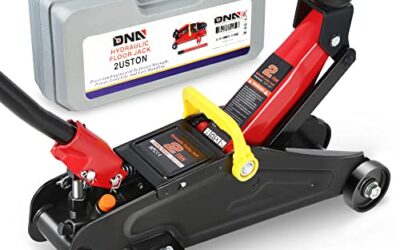
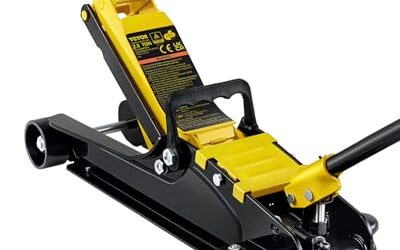
Jack stands are used to support the vehicle after it has been lifted by a floor jack. They provide static support for work underneath the vehicle, whereas a floor jack is used for the initial lifting process.
How do I know if my jack stands are safe to use?
Inspect for any cracks, bends, or loose parts. Check the load rating and ensure it exceeds the vehicle’s weight by at least three times. Replace any stands that are damaged or have reached their expiration date.
Can I use jack stands for any vehicle?
While jack stands can be used for many vehicles, compatibility depends on the vehicle’s weight, dimensions, and lift points. Always verify with the vehicle’s manual or a professional to ensure proper fit and safety.
What should I do if my jack stands are damaged?
Do not use damaged jack stands. Replace them immediately with new ones that meet the required specifications to prevent accidents.
How often should I inspect my jack stands?
Inspect your jack stands before each use and after any period of storage or heavy use. Replace them if any signs of wear or damage are present.