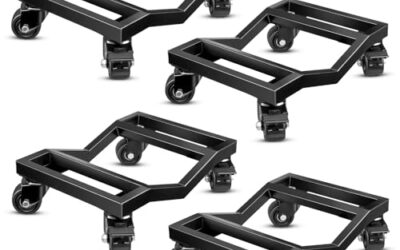
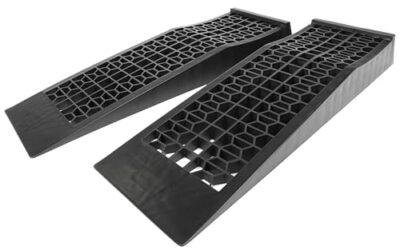
To choose a safe work area for vehicle lifting, use a level, firm surface with enough room to position the jack, support the vehicle, and work without traffic or overhead hazards. Check the vehicle manual and lifting equipment instructions before setup; if the surface, lift points, or vehicle stability are uncertain, do not raise the vehicle.
- Choose concrete or another stable surface that can support the vehicle and lifting equipment.
- Avoid slopes, soft ground, loose gravel, wet or icy surfaces, and damaged pavement.
- Keep people, traffic, and obstacles clear of the work zone.
- Use only vehicle-approved lift and support points.
- Never work under a vehicle supported only by a jack.
Judge the entire setup, not just the patch under the jack. The jack, vehicle, and any jack stands need stable contact with the ground. The vehicle must also stay secure as its weight shifts during lifting. A spot that looks flat may still slope, crumble, or flex under load.
Use this decision rule: proceed only when the ground is level and firm, the vehicle can be secured, the lifting points are clear, and the work area is free of hazards. If any condition fails, move the vehicle to a suitable place or have a professional perform the lift.
1. Check the surface before bringing out the jack
A hard, level concrete floor is a common choice for home lifting, but it still needs inspection. Look for cracks, broken edges, drains, raised seams, and areas that may flex. Do not position a jack or stand across a weak spot or over a cover that could shift.
Outdoor surfaces need extra care. Asphalt can soften in heat, while soil, grass, gravel, and paving stones may move or sink under concentrated load. Rain, snow, ice, or spilled fluids can reduce traction or stability. Do not assume a surface is safe because it held the parked vehicle.
A slope can let the vehicle roll or shift as a wheel leaves the ground. Do not use a sloped driveway as a substitute for a level work surface. If you cannot identify a level area with firm footing, stop and arrange service at a properly equipped location.
Quick surface check
- Does the vehicle sit level, without signs of rolling or rocking?
- Is the jack’s path clear and free of cracks, loose material, and drains?
- Can each intended support point rest on stable ground?
- Is the surface dry enough to maintain stable footing and equipment contact?
A “no” or uncertain answer means the spot is not ready for lifting.
2. Make the work zone clear and controlled
Choose a place away from moving traffic, doorways, and areas where people may walk through. Keep children and pets out. Allow enough space to operate the jack handle and position stands without striking a wall, another vehicle, or stored items.
Check overhead clearance too. A raised hood, open garage door, low ceiling, shelving, or hanging equipment can create a hazard. Make sure lighting lets you see the jack saddle, vehicle lift points, and stand positions clearly.
In a garage, keep the floor clear of cords, hoses, tools, and fluid spills. Do not run an engine in an enclosed garage unless exhaust is safely managed; carbon monoxide can build up without a clear warning. For roadside emergencies, a safe work area may not be possible. Stay clear of traffic and follow the vehicle’s roadside guidance rather than attempting a lift beside moving vehicles.
3. Secure the vehicle before lifting
Follow the vehicle owner’s manual for its parking brake, transmission position, wheel chocks, and lifting procedure. Requirements can differ by vehicle, drivetrain, and service task. A parking brake or transmission setting does not replace wheel chocks when the manual or equipment instructions call for them.
Remove loose items that could fall or interfere with lifting. Make sure doors, hood, and cargo areas will not create a balance problem as the vehicle rises. Do not use occupants or cargo as a substitute for a stable setup.
For work involving a wheel, identify which wheels remain on the ground and where the manual directs chocks. Do not improvise a chock position or rely on the jack to prevent rolling. If the vehicle shifts, the jack tilts, or a tire begins to move unexpectedly, stop. Do not reach under the vehicle to correct a moving setup.
4. Confirm lift points and equipment fit
Find the vehicle’s approved lift points in its manual or service information. Their position and shape vary. A point suitable for one model or year may damage another vehicle’s underbody, battery enclosure, body panel, or suspension part. Never choose a point only because it looks strong or is easy to reach.
Check that the jack’s rated capacity, lift range, and saddle suit the vehicle and task. The correct choice depends on vehicle specifications and the height needed, not on appearance alone. The guides to floor jacks for SUVs and floor jacks for pickup trucks explain why vehicle type and lift height affect equipment selection.
Jack stands must also fit the vehicle’s specified support locations and sit flat on the chosen surface. Follow each stand’s instructions. A jack can raise a vehicle, but it is not a safe support for working underneath. Lower the vehicle onto properly placed stands as directed, then check stability from outside the vehicle before working. Never put any part of your body under a vehicle that is supported only by a jack.
5. Account for vehicle-specific hazards
Electric vehicles, hybrids, low-clearance cars, and vehicles with modified suspension may need extra care. Their underbody layouts, lifting points, and clearance can differ from conventional vehicles. Do not place a jack or stand under a battery enclosure or high-voltage component unless the vehicle’s instructions identify that point for lifting or support.
Air suspension may change ride height or move after the vehicle is parked. Some vehicles require a service or lifting mode before work. Model year and equipment can affect the procedure, so follow the exact vehicle manual or service information rather than applying instructions from a similar model.
For vehicle-specific questions, consult a qualified repair professional. The ASME safety standard for portable automotive service equipment offers further reading about the equipment category, but it does not replace the vehicle or tool instructions for a particular lift.
Work-area decision checklist
| Check | Proceed when | Stop when |
|---|---|---|
| Ground | Surface is level, firm, and stable under jack and stands. | Ground slopes, sinks, flexes, or has loose or slippery material. |
| Space | There is room to position equipment and work clear of obstacles. | Traffic, people, walls, or overhead objects crowd the setup. |
| Vehicle | Manual gives a clear way to secure and lift the vehicle. | Vehicle shifts, rocks, or has unknown lift-point requirements. |
| Equipment | Jack and stands match the task and specified support points. | Capacity, fit, or stable placement is uncertain. |
Every row must meet the “proceed” condition. A stable floor cannot compensate for an incorrect lift point, and suitable equipment cannot compensate for unstable ground.
Common mistakes
- Lifting on a driveway slope: The vehicle may roll or shift as weight transfers. Move to level ground instead.
- Trusting asphalt, gravel, or soil because it looks firm: Concentrated load can make the surface sink or move. Use a suitable stable surface.
- Using a jack alone for under-vehicle work: A jack is lifting equipment, not a safe substitute for stands. Support the vehicle as the manuals direct.
- Guessing at lift points: The wrong point can damage vehicle components or make the vehicle unstable. Use model-specific instructions.
- Working in a crowded or dark space: Poor visibility and restricted movement make placement errors harder to spot. Clear and light the area first.
- Assuming a similar vehicle uses the same procedure: Model year and configuration can change lift points and precautions. Check the exact manual.
When to get professional help
Do not attempt the lift if you cannot find the vehicle’s approved lift points, cannot create a level and firm work area, or cannot position the jack stands as instructed. Stop if the vehicle moves, the jack leans, the surface shifts, or equipment makes an unusual movement or sound.
Get qualified help if the vehicle has damage near a lift point, unusual suspension behavior, an unclear lifting procedure, or underbody components that make safe access uncertain. A shop with suitable equipment can perform the task without asking you to improvise on an unsafe surface.
Gear that can help
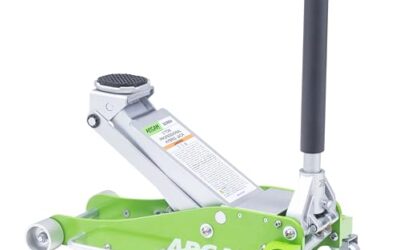
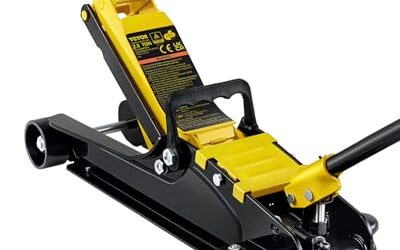
If you need floor jacks or jack stands for this job, these picks already appear in our floor jacks guides. Check the full guide for fit and who should skip each one.

Pros
- Supports vehicles up to 6,600 pounds
- Combines aluminum and steel construction
- Includes a dual-piston pump and low-profile design
- Has rubber saddle and foam bumper features for vehicle protection
Cons
- The manufacturer warranty is limited to 1 year
Specifications
| Color | Blue |
|---|---|
| Size | 3T low profile dual pump |
| Dimensions | 28.35 x 13.78 x 7.87 inches |
| Weight | 58.64 pounds |
| Product Group | Automotive Parts and Accessories |
Best For / Avoid If
Best for buyers prioritizing
- Supports vehicles up to 6,600 pounds
- Combines aluminum and steel construction
- Includes a dual-piston pump and low-profile design
Consider another option if
- The manufacturer warranty is limited to 1 year
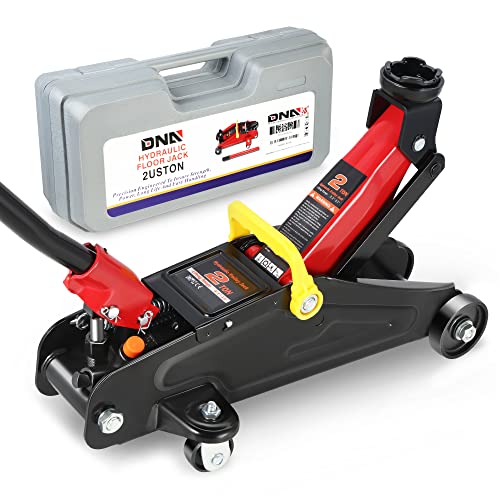
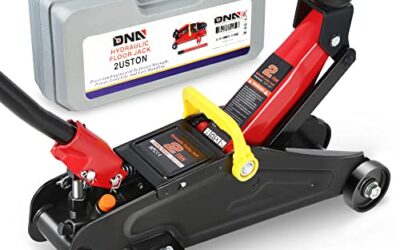
Pros
- Provides a 5.1-inch minimum lifting height for low-profile access
- Supports vehicles up to 4,000 pounds
- Includes an overload protection safety release valve
- Steel construction and swivel casters support positioning and stability
Cons
- Not recommended for pickups, trucks, or oversized SUVs
- Designed for lifting only and cannot serve as a jack stand
- Not suitable for side-force or downward-force applications
Specifications
| Color | Black |
|---|---|
| Size | 2 Ton |
| Dimensions | 10 x 19 x 8 inches |
| Weight | 21.488015752616 pounds |
| Product Group | Automotive Parts and Accessories |
| Binding | Automotive |
Best For / Avoid If
Best for buyers prioritizing
- Provides a 5.1-inch minimum lifting height for low-profile access
- Supports vehicles up to 4,000 pounds
- Includes an overload protection safety release valve
Consider another option if
- Not recommended for pickups, trucks, or oversized SUVs
- Designed for lifting only and cannot serve as a jack stand
- Not suitable for side-force or downward-force applications

Pros
- Double lock mechanism adds redundant safety retention
- Seamless base design eliminates welded joint failure points
- Knob control prevents sudden drop during height release
Cons
- Specific vehicle adapter compatibility not detailed
Specifications
| Color | black & orange |
|---|---|
| Size | 3 Ton | Standard |
| Dimensions | 16.5 x 7.85 x 11.25 inches |
| Weight | 17.2 pounds |
| Product Group | Automotive Parts and Accessories |
Best For / Avoid If
Best for buyers prioritizing
- Double lock mechanism adds redundant safety retention
- Seamless base design eliminates welded joint failure points
- Knob control prevents sudden drop during height release
Consider another option if
- Specific vehicle adapter compatibility not detailed
FAQ
Can I lift a vehicle on asphalt?
Only if the asphalt is level, firm, and stable for the jack and stands. Soft, hot, broken, or uneven asphalt may shift under load. If you cannot judge its stability, choose another location or use a professional service.
Can I use a floor jack on a sloped driveway?
No. A slope can contribute to vehicle movement during lifting. Use a level work area that meets the vehicle and equipment instructions.
Can I work under a vehicle held by a floor jack?
No. Support the vehicle on properly positioned jack stands or use another support method approved for the task. Follow the vehicle and equipment manuals.
Do all vehicles have the same lift points?
No. Lift points vary by make, model, year, and configuration. Use the exact vehicle instructions, especially for electric and hybrid vehicles or vehicles with modified suspension.
Sources and further reading
- Safety Standard for Portable Automotive Service Equipment (ASME): Learn about the safety standard covering portable automotive service equipment, including lifting equipment.