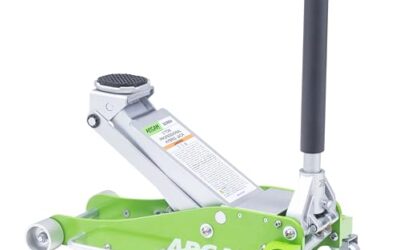
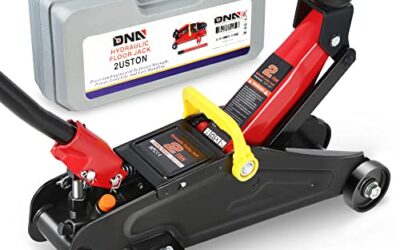
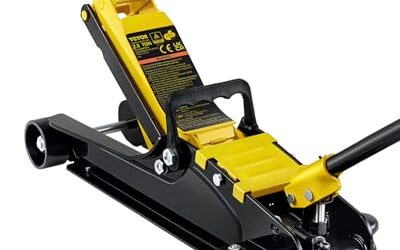
Adding oil to a floor jack is the process of adding hydraulic fluid to the tool’s reservoir to maintain its functionality. This is a basic maintenance task that many vehicle owners perform themselves. Proper fluid levels ensure the jack can lift heavy loads safely and efficiently without the risk of sudden drops or leaks.
Key takeaways
- Always use the correct type of hydraulic fluid recommended by the manufacturer
- Work in a clean environment to avoid contaminating the fluid
- Dispose of used fluid according to environmental regulations
- Regularly inspect the fluid level to prevent issues
- Never use engine oil or other incorrect fluids
What Is Hydraulic Fluid and How Does It Differ From Engine Oil?
Hydraulic fluid is a specialized liquid used in hydraulic systems to transmit force. In the context of floor jacks, it is often referred to as oil because it is a liquid lubricant. However, it is not the same as motor oil. Hydraulic fluid is formulated to have specific properties like high viscosity index and resistance to breakdown under pressure. Using the wrong fluid can lead to seal damage, reduced performance, or complete system failure. Always refer to the floor jack’s manual for the exact specification, which may include terms like ATF Dexron or ISO 32 hydraulic oil.
Why Is Adding Fluid Important for Floor Jack Maintenance?
Floor jacks are critical for automotive work, from changing tires to major repairs. The hydraulic system relies on fluid to create pressure. Low fluid levels can cause the ram to not extend fully, making lifting difficult or impossible. Over time, fluid can absorb moisture or break down, especially in high-use environments. Adding fluid regularly helps extend the life of the jack and ensures safety. This is particularly important for professional mechanics who use jacks daily.
Tools and Materials Needed for the Task
To add fluid to your floor jack, gather the following items:
- Correct hydraulic fluid – check the capacity, usually 1 to 2 quarts depending on the model
- Funnel with a narrow spout for precise pouring
- Old towels or rags to clean up any spills
- Wrench or socket set to remove the filler plug
- Optional: A fluid level gauge or dipstick if your model has one
- Gloves and eye protection for safety
Having the right tools ensures the process is efficient and minimizes the risk of damage to the jack.
Step-by-Step Instructions for Adding Fluid to a Floor Jack
Step 1: Prepare Your Workspace
Choose a flat, stable surface. Clear the area around the floor jack to avoid tripping hazards. Have all materials ready before starting. This preparation prevents interruptions and ensures you can focus on the task.
Step 2: Locate the Filler Port
Inspect the floor jack for a small threaded port, usually on the side of the hydraulic cylinder or the pump unit. Some models may have the port on the ram itself. If unsure, consult the owner’s manual or look for a label indicating fluid type.
Step 3: Remove the Filler Plug
Use the appropriate wrench to unscrew the filler plug. Be cautious as fluid may spill out. Place a towel underneath to catch any drips. This step allows access to the reservoir.
Step 4: Set Up the Funnel
Attach the funnel to the port. This helps direct the fluid into the reservoir without spilling on the floor or the jack itself.
Step 5: Add the Fluid Slowly
Pour the hydraulic fluid into the funnel in small increments. Stop frequently to check the level. The fluid should reach the indicated level mark or fill the reservoir to about 80% capacity. Do not overfill as this can cause pressure buildup and leaks.
Step 6: Reinstall the Plug
Thread the filler plug back into place and tighten it securely. Avoid over-tightening to prevent damaging the threads.
Step 7: Test the Jack
Raise and lower the ram a few times to check for smooth operation. Listen for any unusual noises and inspect for leaks. If everything feels right, the fluid addition is complete.
These steps are general and may vary slightly based on the floor jack model. Always prioritize safety and follow any specific instructions provided by the manufacturer.
Compatibility Considerations for Different Floor Jack Models
Floor jacks come in various types, including bottle jacks, trolley jacks, and scissor jacks, but the focus here is on hydraulic floor jacks. Compatibility of fluid depends on the manufacturer’s design. For example, some jacks designed for heavy-duty use may require thicker fluid for better load handling. Others may use lighter fluid for quicker operation. Always check the model-year or specific model number on the jack for recommendations. If the jack is from a specific vehicle brand, such as for automotive lifts, the fluid might be tailored to that application. Uncertainty in fluid choice can lead to voided warranties or safety issues, so double-check before proceeding.
Common Mistakes to Avoid When Adding Oil to a Floor Jack
One frequent error is assuming that any liquid will do. Many people use regular motor oil, thinking it is interchangeable. However, motor oil can cause the hydraulic seals to swell or deteriorate, leading to leaks and poor performance. Another mistake is not cleaning the area before adding fluid, which can introduce dirt into the system. Overfilling is also common, as people pour until it looks full without checking the level. Underfilling happens when people do not account for the space taken by the ram. Finally, ignoring the need to bleed air from the system after adding fluid can result in spongy operation. To avoid these, always read the manual and take your time.
When to Seek Professional Assistance
If you are unsure about the fluid type or the filling procedure for your specific floor jack, it is best to consult a professional mechanic or the manufacturer. For older models or those with complex designs, professional help ensures the job is done correctly and safely. Additionally, if you notice signs of fluid leaks, unusual noises, or if the jack is not lifting as expected, professional inspection is recommended. This prevents potential accidents and extends the life of your equipment.
Frequently Asked Questions
What type of fluid should I use to add oil to a floor jack?
The best fluid is the one specified by the manufacturer, often ATF or a dedicated hydraulic oil. Using the wrong fluid can compromise the jack’s performance and safety.
How much fluid do I need to add?
The amount varies by model but is typically between 1 and 2 quarts. Always check the manual for the exact capacity to avoid over or under filling.
Can I use engine oil instead of hydraulic fluid?
No, engine oil is not suitable for hydraulic systems. It can damage the seals and lead to system failure.
What should I do if my floor jack has no filler port?
In some cases, you may need to remove the ram to access the fluid. This requires more advanced knowledge and tools. Consult the manual or seek professional help for such models.
How often should I check and add fluid to my floor jack?
It is advisable to inspect the fluid level before each use and add fluid as needed. Regular maintenance prevents unexpected failures during vehicle lifting.
The History and Evolution of Floor Jacks
Floor jacks have been around since the early 20th century, evolving from simple mechanical devices to sophisticated hydraulic tools. The introduction of hydraulic technology in the 1920s revolutionized vehicle maintenance by allowing for easier lifting of heavy loads. Today, understanding the fluid used in these tools is part of the knowledge that ensures their continued reliability. As technology advances, some modern jacks incorporate electronic controls, but the basic principle of hydraulic fluid remains the same.
Safety Precautions When Adding Fluid
Safety should always be the top priority. Never operate the floor jack if it is not properly supported. When adding fluid, ensure the area is free of obstacles. Wear protective gear to avoid spills getting into eyes or on skin. Dispose of old fluid responsibly, as it may contain contaminants. These precautions help maintain a safe working environment and prevent injuries.
Storage and Disposal of Hydraulic Fluid
After adding fluid, store the remaining hydraulic fluid in a sealed container in a cool, dry place. Do not mix different types of fluid. For disposal, follow local environmental guidelines to prevent pollution. Incorrect disposal can harm the ecosystem and lead to fines.
Comparing Fluid Types for Floor Jacks
Here is a comparison table of common fluid types:
| Fluid Type | Typical Use | Advantages | Disadvantages |
|---|---|---|---|
| ATF | Many floor jacks | Good lubrication, widely available | May not be ideal for all models |
| Hydraulic Jack Oil | Heavy-duty applications | High pressure resistance | More expensive |
| ISO VG 32 | General purpose | Balanced performance | Requires specific models |
This table helps in choosing the right fluid based on your needs. Always verify compatibility with your floor jack model to avoid issues.
Sources and further reading
- Safety Standard for Portable Automotive Service Equipment (PASE) (ASME): The safety standard that covers portable service equipment such as jacks and jack stands.