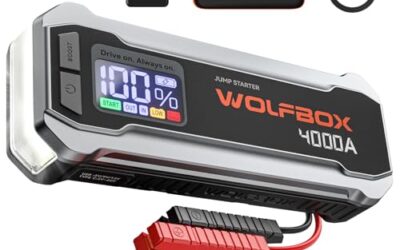
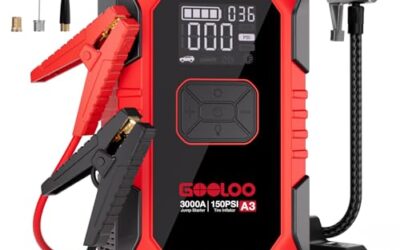
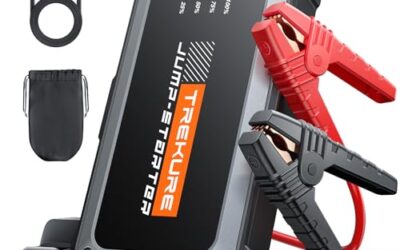
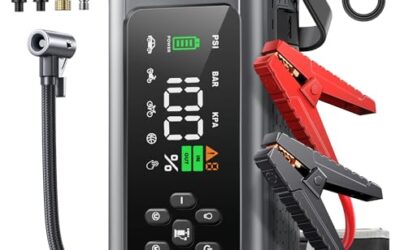
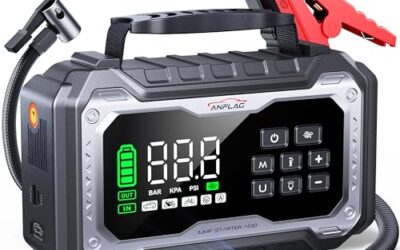
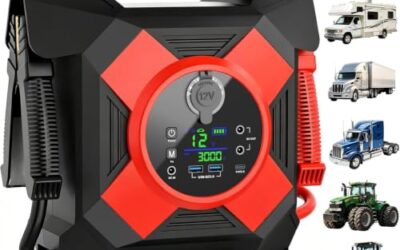
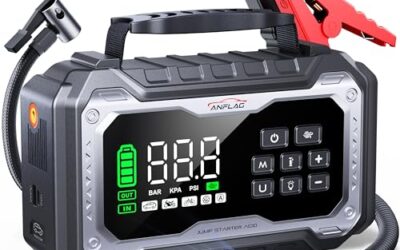
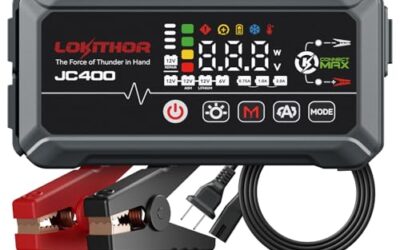
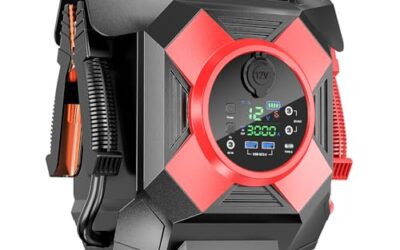
Jump starters hold a charge for 1 to 3 years under normal conditions. This period can extend to 4 years with lithium-ion models if stored properly. The charge duration is influenced by several factors including battery chemistry, temperature, and storage duration. Understanding these variables helps users decide when to replace their jump starter and how to maintain it for optimal performance. In the automotive world, having a reliable jump starter is essential for roadside assistance and emergency vehicle starting. Knowing its charge life allows owners to plan ahead and avoid unexpected failures when the vehicle battery is dead.
Key Takeaways
- Lead-acid jump starters typically last 1-2 years
- Lithium-ion models can retain charge for 2-4 years
- Self-discharge rates vary by type, from 2% to 5% monthly
- Storage in moderate temperatures maximizes lifespan
- Frequent use helps maintain battery health
Understanding Jump Starter Battery Technologies
Jumping starting vehicles requires a reliable power source. Jump starters come in different battery types, each with distinct characteristics regarding charge retention. Each type has its own advantages and limitations that affect how long it holds a charge. Choosing the right type depends on your needs, budget, and the typical conditions in which you use your vehicle.
Lead-Acid Batteries
Traditional lead-acid batteries are the most common in jump starters. They are cost-effective but have a shorter lifespan compared to newer technologies. These batteries can hold a charge for about 1 to 2 years. However, they are heavier and may not perform well in extreme cold. The construction involves lead plates in a sulfuric acid electrolyte, which can degrade over time due to sulfation if not charged properly.
AGM Batteries
Absorbed Glass Mat batteries offer improved performance over standard lead-acid. They can last 2 to 3 years and are sealed, making them resistant to leaks. AGM models are better suited for vehicles in cold climates because the gel-like electrolyte reduces the risk of freezing. They also have a more consistent voltage output, which is important for reliable jump starting.
Lithium-Ion Batteries
Lithium-ion jump starters are gaining popularity due to their lighter weight and higher energy density. They can hold a charge for 2 to 4 years. These are faster to charge and provide more power per unit weight, but they cost more upfront. Lithium-ion technology uses lithium compounds instead of lead and acid, allowing for higher efficiency and longer life when managed correctly.
Factors Influencing Charge Duration
Temperature Effects
Temperature plays a crucial role in how long a jump starter holds a charge. Extreme heat or cold can accelerate chemical reactions within the battery, reducing its lifespan. Ideal storage temperatures are between 50°F and 80°F (10°C to 27°C). Avoid storing in hot cars or freezing conditions. In cold weather, the chemical reactions in the battery slow down, which can reduce the available power and shorten the effective charge life. Conversely, high temperatures can cause the electrolyte to evaporate or the plates to corrode faster. For lead-acid batteries, operating in temperatures below freezing can lead to freezing of the electrolyte, which may damage the battery if not addressed. Lithium-ion batteries are more tolerant to temperature variations but still benefit from moderate conditions. Always check the operating temperature range specified by the manufacturer, which is typically 0°C to 45°C for use and -20°C to 60°C for storage.
Self-Discharge Rate
All batteries lose some charge over time, known as self-discharge. Lead-acid batteries self-discharge at about 5% per month. AGM models discharge around 3% monthly, while lithium-ion lose approximately 2% per month. This means a battery stored for a year may retain only 60% of its charge if left unused. Self-discharge is caused by internal chemical reactions that occur even when the device is not in use. To minimize this, store the jump starter at a partial charge rather than fully discharged. Regular monitoring and occasional charging can help counteract the natural loss of charge.
Usage Frequency
Jump starters that are used regularly tend to hold their charge better than those stored unused for long periods. Regular cycling helps prevent deep discharge and maintains the battery’s internal chemistry. If a jump starter is rarely used, it may need occasional charging to prevent sulfation in lead-acid types. Deep discharge can cause permanent damage to the battery plates. By using the jump starter at least a few times a year, you can keep the battery in good condition and extend its overall lifespan.
Comparing Battery Types for Charge Life
The following table provides a comparison of common jump starter battery types and their typical charge holding capabilities. This comparison helps in selecting the appropriate model based on your requirements for longevity and performance.
| Battery Type | Typical Charge Life | Self-Discharge Rate | Best For |
|---|---|---|---|
| Lead-Acid | 1-2 years | 5% per month | Budget-conscious users, standard vehicles |
| AGM | 2-3 years | 3% per month | Cold climates, sealed applications |
| Lithium-Ion | 2-4 years | 2% per month | Lightweight portability, frequent users |
Tips to Maximize Jump Starter Lifespan
To ensure your jump starter lasts as long as possible, follow these guidelines. Proper storage and maintenance are key to prolonging the charge holding ability of your device. By following these steps, you can significantly extend the life of your jump starter beyond the typical range. Additional considerations include avoiding exposure to direct sunlight and ensuring the device is not left in a damp environment, as moisture can lead to corrosion and reduced performance over time.
- Store the device at 50% charge in a cool, dry place.
- Charge fully before long-term storage.
- Avoid extreme temperatures during storage and use.
- Use the jump starter for its intended vehicle applications only.
- Inspect cables and connections regularly for damage.
- Follow manufacturer storage recommendations if available.
- Charge the battery monthly if not in regular use.
- Keep the jump starter in a location with stable temperature.
Common Mistakes That Shorten Charge Life
Many users unknowingly reduce their jump starter’s charge duration through common errors. These include storing the jump starter in a hot vehicle, which can cause overheating and accelerated aging. Allowing the battery to fully discharge before recharging, leading to sulfation in lead-acid models. Ignoring the manufacturer’s specific storage instructions for different battery chemistries. Using the jump starter in extreme weather conditions without proper precautions. Overcharging or undercharging during sessions, which stresses the battery. Another mistake is not performing regular maintenance checks, which can lead to undetected issues that shorten the lifespan. Always be aware of these pitfalls to get the most out of your investment in a jump starter. Users should also avoid mixing different battery types in one device or exposing the unit to chemicals that could damage the casing or internal components.
When to Replace Your Jump Starter
It is important to know when a jump starter has reached the end of its useful life. Signs include reduced starting power, taking longer to jump start the vehicle. Visible swelling or bulging of the battery case. Failure to hold any charge after extended storage. Inability to provide the required voltage for the vehicle’s battery. If these symptoms appear, it is time to consider a replacement. Newer models with improved technologies may offer better performance and longer life. Replacing a jump starter at the right time can save you from being stranded and ensure you have a dependable tool for vehicle emergencies. Consider the age of the device and any warranty remaining before deciding on a new purchase.
How Jump Starters Work
Jump starters work by providing a burst of electrical current to the dead vehicle’s battery. The internal battery in the jump starter is charged using an external power source like a wall outlet or another vehicle. Once charged, it can deliver high amperage to jump start the car. The charge retention is vital because the battery must maintain enough power to deliver the required current when needed. Understanding the chemistry helps in choosing the right type for your needs. Most jump starters are designed for 12-volt vehicle batteries, making them compatible with standard cars, trucks, and SUVs. However, always verify the voltage output matches your vehicle’s specifications to avoid damage or ineffective starting.
How to Test If A Jump Starter Is Holding A Charge
Users can test the charge of their jump starter using a few simple methods. One common way is to use a multimeter. Set the multimeter to DC volts and connect the probes to the positive and negative terminals of the jump starter. A fully charged lead-acid battery should read between 12.4 and 12.6 volts. If the reading is lower, the battery may need charging. For lithium-ion models, the voltage reading might be higher, around 3.7 volts per cell, but jump starters often have built-in protection circuits. Another method is to use the jump starter on a compatible vehicle to see if it can start it. However, this is not a direct test of charge retention since it depends on the vehicle’s battery condition as well. For precise measurement, dedicated battery testers designed for jump starters can provide accurate readings of remaining capacity. Regular testing can help you monitor the health of your jump starter and decide if it needs attention or replacement. Testing should be done in a safe environment away from flammable materials.
FAQ
How Do I Know If My Jump Starter Is Holding A Charge?
Check the LED indicators or digital display for charge level. For non-digital models, use a multimeter set to DC volts to measure the output voltage. A healthy jump starter should read around 12.6 volts when fully charged. If the voltage is significantly lower, it may be time to recharge or replace the unit.
What Is The Average Lifespan Of A Jump Starter?
The average lifespan is 1 to 3 years, depending on the battery type and maintenance. Lithium-ion models often exceed this, while basic lead-acid may fall short. Factors like storage and usage play a big role in determining the actual lifespan.
Can Temperature Affect How Long A Jump Starter Holds A Charge?
Yes, temperature significantly impacts charge retention. High temperatures can cause faster self-discharge and chemical degradation, while low temperatures may reduce effective capacity. Storing in moderate conditions is recommended to maintain the charge for the longest period.
How Often Should I Charge My Jump Starter?
Charge it fully before each use if possible. For storage, charge to 50-100% and check monthly. Avoid leaving it at 0% for extended periods. Regular charging prevents deep discharge and extends the overall life of the battery.
When Should I Replace My Jump Starter?
Replace when it no longer holds a charge, shows physical damage, or fails to provide sufficient power for your vehicle. Early replacement can prevent inconvenience and ensure you are prepared for any emergency.