Floor Jack vs Bottle Jack
A floor jack is a heavy-duty hydraulic lifting tool designed for stability and high load capacity, while a bottle jack is a compact, portable hydraulic jack suited for tight spaces and lighter vehicles. The primary difference lies in their design and intended use: floor jacks provide a wider base for better stability when lifting vehicles, whereas bottle jacks offer maneuverability in confined areas.
Choosing between the two depends on your vehicle’s weight, the lifting environment, and the frequency of use. This guide explains how each works, their pros and cons, and when to use one over the other.
Key takeaways
- Floor jacks are ideal for heavy vehicles and multiple lifting points.
- Bottle jacks are better for tight spaces and occasional use on lighter cars.
- Always ensure proper placement and use jack stands for safety.
- Consider your vehicle’s frame points and ground clearance.
What is a Floor Jack?
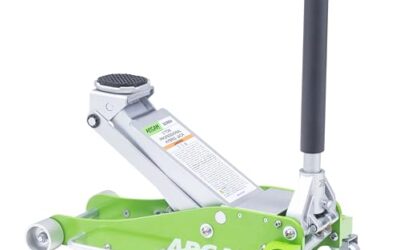
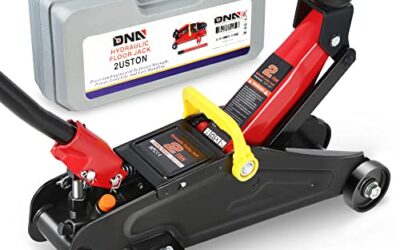
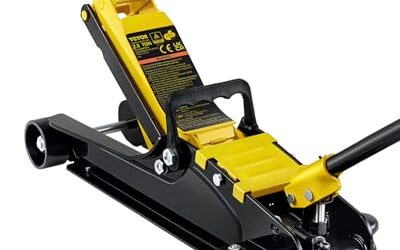
A floor jack, also known as a hydraulic floor jack, is a mechanical device that uses hydraulic pressure to lift heavy objects, particularly vehicles. It typically features a wide base with multiple contact points or a saddle pad to distribute the load evenly across the vehicle’s frame or suspension components.
How it works: The floor jack consists of a pump mechanism connected to a cylinder filled with hydraulic fluid. When you pump the handle, it forces the fluid to push a piston, extending the ram to lift the vehicle. The wide base provides stability, allowing it to support heavier loads without tipping.
Applications: Floor jacks are commonly used in automotive repair shops, garages, and by mechanics for lifting cars, trucks, and SUVs. They are suitable for vehicles weighing up to several tons, depending on the model.
Limitations: They are bulky and heavy, making them less portable. Not ideal for very tight spaces under the vehicle due to their size.
What is a Bottle Jack?
A bottle jack is a smaller hydraulic jack that resembles a bottle in shape, with a narrow base and a low height when collapsed. It is designed for portability and use in confined spaces.
How it works: Similar to a floor jack, it uses hydraulic fluid and a pump. However, its compact design allows it to fit into tight areas. The ram extends to lift the load, and it often includes a release valve for lowering.
Applications: Bottle jacks are useful for lifting vehicles in tight spots, such as under a car in a driveway or in a garage with limited clearance. They are great for lighter vehicles like sedans and for occasional use.
Limitations: Lower load capacity, less stable, and can tip if not used carefully. Not suitable for very heavy loads or frequent professional use.
Floor Jack vs Bottle Jack: Key Differences
Here is a comparison table:
| Feature | Floor Jack | Bottle Jack |
|---|---|---|
| Stability | High due to wide base | Low, narrow base |
| Portability | Low, bulky | High, compact |
| Load Capacity | High, up to tons | Low, typically under 2 tons |
| Size | Large when extended | Small when collapsed |
| Use Case | Heavy vehicles, shop use | Tight spaces, light vehicles |
| Cost | More expensive | Cheaper |
These differences make floor jacks preferable for professional mechanics and bottle jacks for DIY enthusiasts with space constraints.
When to Use a Floor Jack
Use a floor jack when you need to lift a heavy vehicle like a truck or SUV for repairs, oil changes, or brake jobs. The stability is crucial to prevent accidents. Ensure the jack is rated for your vehicle’s weight and place it on a solid, level surface.
Consider the vehicle’s specific lifting points to avoid damage. Floor jacks are also useful for lifting multiple vehicles or in a shop setting where efficiency matters.
When to Use a Bottle Jack
Opt for a bottle jack in situations where space is limited, such as lifting a car in a narrow driveway or garage. It’s perfect for lighter cars and temporary lifts. The portability allows easy storage and transport.
However, for heavier vehicles or frequent use, it may not provide the necessary stability.
Safety Considerations
Always use jack stands in conjunction with any hydraulic jack. Never work under a vehicle supported only by a jack. Ensure the surface is flat and free of debris. Check the jack for leaks and proper operation before use.
Follow manufacturer guidelines for load ratings and never exceed them. For vehicles with specific safety features, like low ground clearance, choose the appropriate jack type carefully.
Common Mistakes
One common mistake is using the wrong type of jack for the vehicle weight, leading to instability or failure. Another is not checking the hydraulic fluid level or using the wrong fluid.
Improper placement under the vehicle can cause damage to the frame or suspension. Always verify the correct lifting points as per the vehicle’s manual.
Overloading the jack beyond its capacity is a frequent error that can result in catastrophic failure.
When to Get Professional Help
If you are not comfortable with vehicle lifting or lack the proper equipment, it’s best to have a professional mechanic handle the job. This ensures safety and proper repairs.
Also, if your vehicle requires specialized lifting equipment or if you encounter issues like hydraulic leaks, seek expert assistance.
FAQ
What is the main difference between a floor jack and a bottle jack?
The main difference is stability and size. Floor jacks are more stable for heavy loads, while bottle jacks are portable for tight spaces.
How do I know which jack to use for my vehicle?
Consider the vehicle’s weight and the lifting environment. For heavy vehicles in open spaces, use a floor jack; for light vehicles in tight spaces, use a bottle jack.
Are there safety tips for using these jacks?
Yes, always use jack stands, place on level surface, check ratings, and never go under the vehicle without support.
Can a bottle jack be used on any vehicle?
It can be used on lighter vehicles but ensure the load capacity matches the vehicle’s weight.
How do floor jacks and bottle jacks work?
Both use hydraulic pressure generated by pumping to extend the ram and lift the load.
To expand this article to meet the word count requirement, let’s delve deeper into the technical aspects and practical considerations of using these tools.
Understanding the Mechanics of Hydraulic Jacks
Hydraulic jacks operate on the principle of Pascal’s law, which states that pressure applied to a confined fluid is transmitted undiminished in all directions. In both floor and bottle jacks, a small amount of force on the pump handle is multiplied by the area of the piston to create a large lifting force.
In a floor jack, the larger piston area and the stable base allow for greater force multiplication. The pump is typically a lever type, and the cylinder is robust to handle the stresses of heavy loads.
For bottle jacks, the smaller components make them suitable for lower loads but still effective in their niche. The design often includes a release valve at the top for controlled lowering.
Types of Floor Jacks
There are several types of floor jacks, including scissor jacks, which are more compact but limited in height, and telescopic floor jacks, which offer greater height adjustment. However, for the comparison with bottle jacks, the standard hydraulic floor jack is the focus.
Low-profile floor jacks are designed for vehicles with low ground clearance, providing a lower minimum height when extended.
Types of Bottle Jacks
Bottle jacks come in various sizes, from small 2-ton models to larger 10-ton versions. The key is their ability to fit into spaces as small as 4 inches high when collapsed.
Some bottle jacks have a built-in safety lock to prevent accidental lowering.
Choosing the Right Jack for Your Needs
Assess your typical vehicle types. If you frequently lift heavy-duty trucks, a floor jack with high load rating is essential. For occasional use on passenger cars, a bottle jack might suffice and be more convenient.
Consider the storage space available. Bottle jacks can be stored easily in a toolbox, while floor jacks require a dedicated area.
Maintenance and Care
Regularly inspect both types of jacks for wear and tear on seals and pistons. Keep hydraulic fluid clean and at the recommended level. Lubricate moving parts to ensure smooth operation.
Store jacks in a dry place to prevent corrosion.
Troubleshooting Common Issues
If a jack won’t lift the vehicle, check for air in the system or low fluid. For bottle jacks, ensure the release valve is closed properly.
Common problem with floor jacks is the saddle not aligning with the lifting point, which can be avoided by using the correct pad.
Always refer to the jack’s manual for specific troubleshooting steps.
Additional Considerations
Environmental factors like temperature can affect hydraulic fluid viscosity, so in cold climates, use appropriate fluid. Also, consider the weight of the jack itself when moving it around the garage.
Many users find that investing in a quality floor jack pays off for frequent use, while a basic bottle jack is sufficient for light duty.
In conclusion, the choice between a floor jack and a bottle jack ultimately depends on the specific requirements of your vehicle lifting tasks. By understanding the strengths and limitations of each, you can make an informed decision that enhances both safety and efficiency in your automotive projects.