Common Floor Jack Safety Mistakes
Floor jacks are essential tools for automotive maintenance, enabling safe lifting of vehicles for repairs and inspections. However, improper use can lead to severe accidents. This article explores the common floor jack safety mistakes that can result in injury or death. By understanding these errors and how to avoid them, you can work more safely with your vehicle lifting equipment.
Key takeaways include always using jack stands, inspecting tools regularly, and never exceeding the jack’s capacity. These practices are vital for DIY mechanics and professionals alike.
Understanding the Risks of Floor Jack Failures
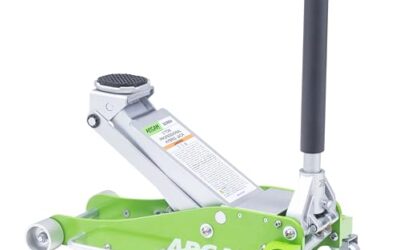
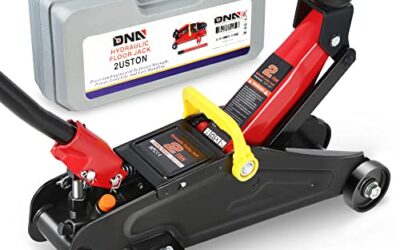
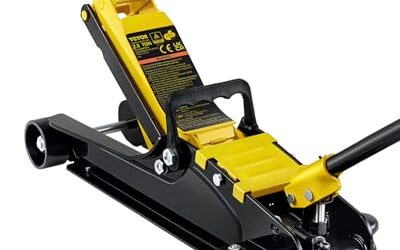
Floor jacks, also known as bottle jacks or frame jacks, are hydraulic devices designed to lift cars, trucks, and other vehicles. They consist of a pump, cylinder, and saddle. Despite their utility, they are not foolproof.
Common misconceptions include thinking that a floor jack is as safe as a professional garage lift or that one size fits all vehicles. In truth, capacity ratings are critical, and misuse can lead to catastrophic failure.
Why Safety Training is Important
Even experienced users can make mistakes. This guide serves as a reminder of best practices.
Common Floor Jack Safety Mistakes
Mistake 1: Relying Solely on the Floor Jack
One of the biggest safety mistakes is not using jack stands. Jack stands provide a secondary support system that can hold the vehicle if the floor jack fails due to hydraulic fluid leakage, seal failure, or over-pumping.
Explanation: Hydraulic systems can fail due to leaks, overpressure, or material fatigue. Without stands, the vehicle can drop suddenly.
Prevention: Always use rated jack stands. Place them correctly under the vehicle’s designated lift points.
Compatibility note: For heavier vehicles like SUVs or trucks, use stands with higher capacity ratings. Check the vehicle’s owner’s manual for recommended lift points, as they vary by model year and design.
The consequences of not using jack stands can be fatal. In many reported cases, mechanics have been crushed when the vehicle dropped. This is why professional shops always use stands, even if the floor jack seems stable. Additionally, without stands, any work underneath the vehicle becomes impossible, as the vehicle must remain supported at all times during maintenance.
Mistake 2: Overloading the Floor Jack
Using a floor jack rated for 2 tons on a 3-ton vehicle is a common error. Overloading can cause the hydraulic system to fail prematurely.
How it happens: The pump and cylinder are designed for specific loads. Exceeding this can lead to bending, cracking, or sudden collapse.
Always verify the jack’s rating and the vehicle’s weight from the manual.
Overloading is a frequent mistake because many users estimate vehicle weight incorrectly or assume a jack rated for lighter cars will suffice for trucks. The physics involved involves pressure exceeding the material strength limits of the cylinder and pump seals. For instance, a standard 2-ton bottle jack might handle a compact sedan but could fail under the weight of a full-size pickup truck. Always calculate or look up the exact vehicle weight and ensure at least 50 percent extra capacity for safety margins. This prevents not only immediate failure but also long-term damage to the jack itself, reducing its lifespan dramatically.
Mistake 3: Neglecting Regular Inspections
Many users assume their floor jack is fine until it fails. Ignoring wear and tear is dangerous.
Signs of failure: Leaking fluid, bent ram, worn saddle, or loose connections. Regular checks every time before use are essential.
Model-year specific: Newer vehicles may have different weight distributions, affecting how the jack is used.
Regular inspections are often overlooked due to time constraints or complacency. However, even minor wear can escalate quickly. Check the hydraulic fluid level, test the pump for smooth action without sticking, and examine all welds and connections for cracks. For vehicles from certain model years, such as those with advanced electronics, the lift points may have changed, requiring updated inspection routines. Failure to inspect can lead to unexpected breakdowns during critical work, potentially causing the vehicle to fall or tip.
Mistake 4: Using Incorrect Lifting Points
Attempting to lift at the wrong location can damage the vehicle or cause the jack to slip.
Always locate the proper jacking points, which are often stamped on the vehicle or in the manual. For example, do not lift at the door sill if it’s not designed for it.
Improper lifting points are a common error because many assume any sturdy part of the frame will work. This can result in frame damage, bent components, or the saddle slipping off the vehicle. Always refer to the specific owner’s manual for your model year, as lift points are vehicle-specific and can differ between sedans, SUVs, and trucks. Using the wrong point not only risks vehicle damage but also reduces the stability of the lift, increasing the chance of the jack tipping.
Mistake 5: Using on Uneven or Soft Surfaces
Placing the jack on grass, gravel, or uneven ground can cause instability and tipping.
Use a stable, level surface and consider jack mats for added stability.
Uneven surfaces are a frequent issue in driveways or job sites. The jack can sink or tilt, leading to loss of control. Jack mats distribute weight and provide a stable base. For off-road or soft ground use, additional precautions like blocking are necessary to prevent sinking.
Best Practices for Safe Floor Jack Operation
Follow these steps:
- Inspect the jack and stands for damage.
- Confirm the jack’s capacity is sufficient.
- Locate and mark the correct lift points.
- Position the jack and stands securely.
- Raise the vehicle slowly and check stability.
- Lower the vehicle using the pump before any adjustments.
These steps form the foundation of safe operation. Taking time to follow them reduces risk significantly. For example, always lower the vehicle fully before moving the jack or stands to avoid sudden drops.
Understanding Hydraulic Systems in Floor Jacks
Floor jacks use hydraulic fluid to create pressure. The system includes a pump that forces fluid into the cylinder, extending the ram. Safety valves are built-in to release pressure if over-pumped, but they are not a substitute for proper use.
Limitations: These valves can fail over time, so regular maintenance is key. For vehicles with electronic systems or advanced safety features, traditional floor jacks may not be compatible with certain sensors or components. Understanding basic hydraulics helps explain why over-pumping or using too much pressure can cause failures. The force generated is pressure times area, so small changes in area or pressure can lead to dangerous outcomes.
Different Types of Floor Jacks and Their Safety Features
Bottle jacks are common, with safety valves to prevent over-pumping. Scissor jacks are for lighter use but less stable for heavy vehicles.
Always choose the right type for the job. Bottle jacks offer better stability for heavier loads but require careful handling. Scissor jacks are portable but limited in capacity and stability, making them unsuitable for most automotive work without additional supports.
When to Seek Professional Help
If you lack experience or the vehicle is large and heavy, consider hiring a professional mechanic. They have the right equipment, training, and insurance.
Additionally, if your floor jack shows any signs of wear, replace it immediately rather than risking a failure.
Professional help is recommended when the vehicle weight exceeds the jack’s safe limits or when unfamiliar with the lifting process. Mechanics use certified equipment and follow strict protocols.
FAQ
How can I tell if my floor jack is still safe to use?
Perform a visual inspection for cracks, leaks, and wear. Test the hydraulic pump for smooth operation. If in doubt, replace it.
What are the warning signs that a floor jack is failing?
Difficulty raising the vehicle, unusual noises, fluid leaks, or the jack feeling unstable.
Is it safe to use a floor jack on all vehicles?
No. Ensure the jack’s capacity meets or exceeds the vehicle’s weight and that the lift points are appropriate for the model year and type.
What should I do if the floor jack slips while lifting?
Immediately lower the vehicle using the hydraulic pump and reposition the jack or use jack stands for support.
Are there safer alternatives to floor jacks?
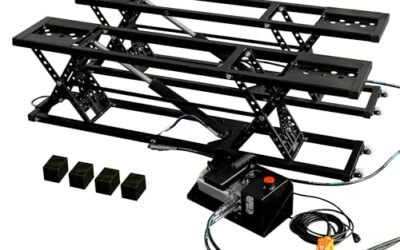
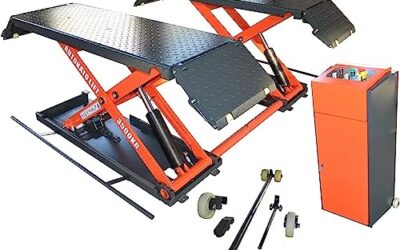
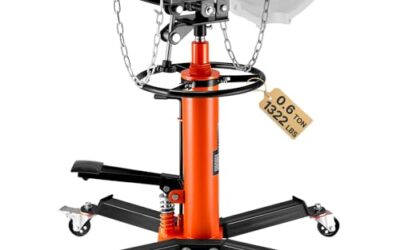
Yes, professional vehicle lifts or transmission jacks can be safer for certain tasks, but floor jacks remain useful for basic maintenance when used correctly.
This article has covered the essential common floor jack safety mistakes. By avoiding these errors, you can protect yourself and others while performing vehicle maintenance tasks. Remember, safety should always come first in automotive work.