
Tonneau Cover vs Truck Cap
A tonneau cover is a protective cover for the truck bed that can be partially or fully retracted, while a truck cap is a hard-shell enclosure that mounts onto the truck bed to provide secure storage. The primary difference lies in their function and design: a tonneau cover offers convenience and partial protection, whereas a truck cap delivers full enclosure and often additional features like doors and windows.
Key takeaways:
- Tonneau covers are ideal for daily use and easy access to the bed.
- Truck caps excel in security and weatherproofing but may limit bed access.
- Both can improve truck aesthetics and security, but compatibility varies by vehicle model and bed size.
- Consider your needs for storage, weather protection, and towing before choosing.
What is a Tonneau Cover?
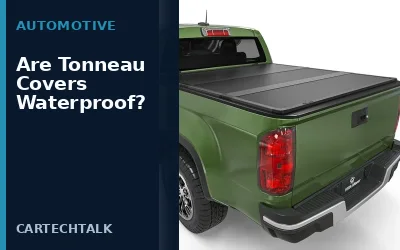
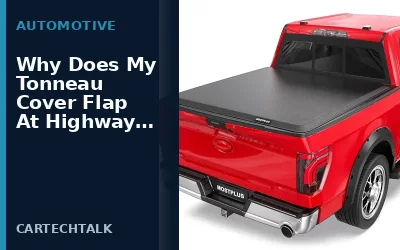
A tonneau cover, named after the French word for “bed,” is a cover designed to fit over the open bed of a pickup truck. It typically consists of a fabric or hard material that can be rolled up or folded down to access the cargo area. These covers are popular for their ability to protect items from rain, snow, UV rays, and theft while maintaining the ability to load and unload easily.
Types of tonneau covers include soft roll-up covers made from vinyl or canvas, hard fold-down covers using aluminum or plastic panels, and retractable covers that slide into a compartment at the front of the bed. Each type offers different levels of security and weather resistance.
How Does a Tonneau Cover Work?
Most tonneau covers use a tensioning system or hinges to secure the cover in place. Soft covers are rolled onto a roller bar at the front, while hard covers use latches or locks to secure the panels. Installation usually involves attaching the cover to the truck’s bed rails or using clamps that fit over the side rails.
Compatibility is generally high with standard pickup trucks, but some covers may require specific bed lengths or aftermarket modifications. Always verify the manufacturer’s specifications for your vehicle model year and bed size. Note that some covers may have limits on the maximum load they can support without sagging.
What is a Truck Cap?
A truck cap, also known as a camper shell or canopy, is a complete enclosure that attaches to the truck bed. It provides a fully enclosed space for storage, tools, or even temporary living quarters. Unlike a tonneau cover, a truck cap does not allow easy access to the bed from the top; instead, it has its own doors and windows for entry and exit.
Truck caps are typically made from fiberglass, aluminum, or composite materials and can include features like side doors, rear doors, windows, and even roof vents or skylights. They are designed to give the truck a more finished look and provide better security against theft and environmental damage.
How Does a Truck Cap Work?
Truck caps mount onto the truck bed using brackets or rails that secure to the bed sides. They often include a rear door that opens for access to the interior of the cap, and side doors for easier entry. Some models are designed to be removable or foldable for towing.
Installation can be more involved than a tonneau cover, often requiring professional installation or specific tools. Ensure the truck bed is clean and free of debris before mounting. Compatibility depends on the truck’s bed dimensions and the cap’s mounting system, which may vary by manufacturer. Some truck caps may not fit on trucks with certain bed configurations or if the bed is modified for accessories.
Tonneau Cover vs Truck Cap: A Side-by-Side Comparison
The practical difference between a tonneau cover and a truck cap is that a tonneau cover is a partial cover for the bed, while a truck cap is a full enclosure. This affects everything from installation to usability.
| Feature | Tonneau Cover | Truck Cap |
|---|---|---|
| Function | Partial bed protection and access | Full enclosure for storage |
| Access | Easy top access to bed | Entry via doors and windows |
| Weather Protection | Good for rain and sun | Excellent sealing |
| Security | Moderate, depends on type | High, as it’s enclosed |
| Installation | DIY friendly | Often professional |
| Cost | Lower to mid-range | Higher, plus potential towing impact |
| Bed Access | Full access | Limited |
| Aesthetics | Subtle addition to truck | More prominent enclosure |
Both options can be used on various pickup trucks, including models from Ford, Chevrolet, Ram, and Toyota. However, ensure the cover or cap matches your truck’s bed length, typically 5.5 to 8 feet. Some covers may not fit perfectly on extended bed models without adjustments. Always check for vehicle-specific compatibility, as some models have unique bed designs or factory-installed features that may affect fitment.
Pros and Cons of Tonneau Covers
Pros of tonneau covers include their ease of installation and removal, making them suitable for users who need frequent access to the bed. They provide good protection from the elements and can enhance the truck’s appearance. Many models come with locking mechanisms for added security. However, they are not as secure as a full enclosure and may not offer the same level of weatherproofing, especially in heavy rain or snow. Additionally, some hard covers can be damaged by heavy loads or impacts.
Cons include the potential for reduced bed capacity if not designed properly and the need for regular maintenance to ensure the cover remains taut and secure. In some cases, tonneau covers may not be compatible with certain truck bed liners or accessories.
Pros and Cons of Truck Caps
Truck caps offer superior weather and theft protection due to their sealed design, making them ideal for storing valuable items or equipment. They can provide additional storage space inside the cap and some models are equipped with features for camping, such as beds or power outlets. They can also improve the resale value of the truck by giving it a more finished look. However, they reduce access to the bed, which may be inconvenient for daily use. The higher cost and potential impact on towing performance are notable drawbacks. Installation is more complex and may require professional help to ensure proper fit and safety.
Choosing Between a Tonneau Cover and a Truck Cap
When deciding between a tonneau cover and a truck cap, consider your primary needs. If you need easy access to the bed for loading and unloading cargo and want something that doesn’t significantly affect towing, a tonneau cover is the better option. For situations where maximum security and weather protection are priorities, such as storing tools or when the truck is parked in an exposed area, a truck cap may be more suitable. Evaluate your climate and typical use case to make the best choice.
Another important factor is the vehicle’s intended use. For trucks used primarily for towing, a removable truck cap is preferable. For daily drivers, a tonneau cover provides more flexibility. Also, consider the length of your truck bed and any modifications that may affect compatibility.
Installation Considerations
Proper installation is crucial for both tonneau covers and truck caps to ensure safety and functionality. For tonneau covers, secure the mounting hardware to the bed rails and check for even tension. For truck caps, follow the manufacturer’s guidelines exactly, as improper installation can lead to misalignment or damage to the truck or cap. Always ensure the bed is clean and free of rust or debris.
Compatibility with vehicle model year is important, as some trucks have specific bed designs or reinforcements. In cases where uncertainty exists regarding fitment, it is advisable to consult a professional installer or the manufacturer for guidance. Some covers may have voltage requirements for lights or other features, but most are passive.
Maintenance and Care
Regular maintenance helps both types of accessories perform optimally. For tonneau covers, clean the surface regularly and inspect for tears or loose parts. Lubricate moving parts if applicable. For truck caps, check the seals and gaskets to ensure they are intact and weatherproof. Inspect doors and hinges for wear. Keeping the cap clean prevents dirt from accumulating, which could affect seals over time.
Common Mistakes
One common mistake is confusing a tonneau cover with a truck cap, leading to incorrect expectations about access and protection. Another is purchasing a cover without verifying compatibility with your specific truck model and bed size, which can result in poor fit or installation issues. Additionally, some users may overlook the impact on towing capacity or aerodynamics when choosing a truck cap. Ignoring the need for proper maintenance can also lead to premature wear or failure of the accessory.
When to Get Professional Help
Professional help is recommended for installing a truck cap, especially if you lack experience with mounting hardware or if your truck has unique features. For tonneau covers, while many are designed for DIY installation, professional assistance is useful if you encounter alignment problems or if the cover is large and heavy. Always prioritize safety when working on vehicle accessories.
FAQ
What is the main difference between a tonneau cover and a truck cap?
The main difference is that a tonneau cover is a partial cover for the truck bed, allowing easy access, while a truck cap is a full hard-shell enclosure that provides complete storage and security.
Are tonneau covers weatherproof?
Many tonneau covers are weather-resistant, but truck caps generally offer better protection due to their sealed design.
Can I use a truck cap on any truck?
Compatibility depends on the truck’s bed length, model year, and the specific cap’s mounting system. Always check the manufacturer’s specifications.
How do I choose between a tonneau cover and a truck cap?
Choose based on your needs for bed access, security, and weather protection. Tonneau covers are better for frequent access, while truck caps are better for secure storage.
Do they affect towing?
Tonneau covers usually do not affect towing, but truck caps can impact towing performance depending on the model and may require removal for towing.