Lifting an SUV safely is a critical skill for vehicle owners and mechanics alike. This process involves selecting appropriate equipment, identifying the correct lift points, and executing the lift with precision to avoid injury or damage. In this guide, we explain how to lift an SUV safely using floor jacks and related tools, providing detailed steps and safety advice that apply to most models.
Key takeaways include using a jack with sufficient capacity, always employing jack stands, and consulting the vehicle manual for model-specific details.
- Ensure your floor jack is rated for at least three tons.
- Work on a flat and stable surface.
- Locate the approved lift points on the SUV frame.
- Never rely solely on the jack for support.
- Follow all steps in order to maintain control.
Understanding the Basics of SUV Lifting
Before diving into the steps, it is important to understand the fundamentals. SUVs are heavier and taller than cars, which means they require more robust lifting equipment. The weight of an SUV can range from about 3,000 pounds for a compact model to over 6,000 pounds for a full-size one. A floor jack must exceed this weight to provide a safety margin.
Compatibility is another factor. Not all jacks work with every SUV due to differences in chassis design across model years. For instance, some newer models may have updated lift points that differ from older versions. Always check for any modifications or aftermarket accessories that could affect lifting points.
This understanding helps in preparing for the lift and anticipating any potential challenges. Uncertainty can come from different SUV designs, but the general principles remain the same across most vehicles.
Selecting the Appropriate Lifting Equipment
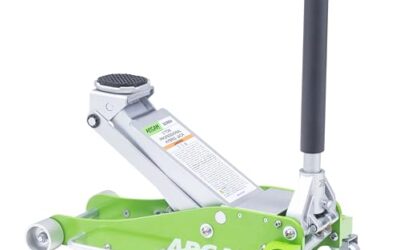
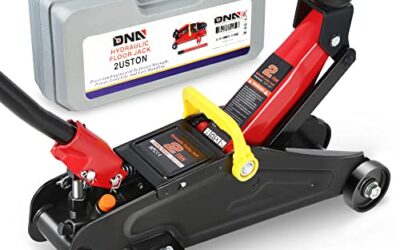
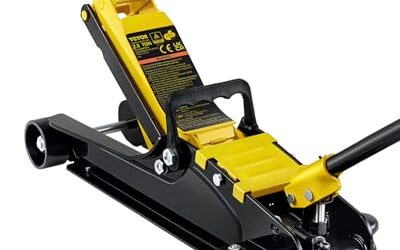
The choice of lifting equipment depends on the type of work you plan to perform and the frequency of use. A hydraulic floor jack is recommended for SUVs because it offers better stability and control compared to scissor jacks. These jacks come in various capacities, such as 2-ton, 3-ton, and 4-ton models.
When selecting a jack, look for features like a wide base for stability and a release valve for controlled lowering. Jack pads or adapters can protect the vehicle’s paint and body from scratches. If your SUV has a low ground clearance, consider a low-profile jack to fit under the vehicle more easily.
Uncertainty in equipment selection can arise from varying SUV weights and designs. For example, a jack suitable for a Toyota Camry might not be ideal for a heavier Jeep Wrangler due to different weight distributions and lift point locations. Always verify the specifications to ensure compatibility.
Finding the Correct Lift Points
Identifying the lift points is crucial for a safe lift. These points are typically located at the vehicle’s frame rails or reinforced body sections. Manufacturers provide diagrams in the owner’s manual showing exact locations for front, rear, and side lifts.
Common lift points include frame rails, lower control arms, and body crossmembers. For some SUVs, there are specific points for different operations, such as tire changes or suspension work. Always prioritize the points recommended by the manufacturer to avoid damaging the suspension components or frame.
In cases where the manual is unavailable, a mechanic can help identify the points. However, never guess as improper lift points can lead to frame damage or alignment issues after the lift. This is especially important for vehicles with unique designs or recent model year updates.
Step-by-Step Guide to Lifting an SUV
Follow these steps to lift your SUV safely:
- Assess your setup: Gather all necessary tools, including the floor jack, jack stands, and any adapters. Ensure the area around the vehicle is clear of people and objects.
- Prepare the surface: Choose a level, firm surface such as concrete or asphalt. Avoid grass or soft ground, as it can cause the jack to sink.
- Position the jack: Slide the jack under the designated lift point. Use a jack pad to distribute the weight and protect the vehicle surface.
- Raise the vehicle: Pump the jack handle slowly and steadily. Stop when the vehicle is raised to the desired height, typically just enough to fit the jack stands underneath.
- Set up the jack stands: Position the stands on the frame at the same side of the vehicle. Ensure they are properly placed and locked in position.
- Lower the vehicle: Carefully lower the jack until the vehicle rests securely on the stands. Double-check the stability.
- Perform the maintenance or repair: Access the area and complete your work.
- Raise the vehicle slightly: Lift the SUV just enough to remove the stands.
- Lower the vehicle: Once the stands are removed, lower the vehicle back to the ground.
During the process, listen for any unusual noises from the jack or vehicle. If anything seems off, lower the vehicle immediately and reposition the equipment. This vigilance is key to maintaining safety throughout the lift.
Common Mistakes to Avoid When Lifting an SUV
Many people make errors that can compromise safety. One frequent mistake is using a jack with insufficient capacity. Always ensure the rating exceeds the SUV’s weight by at least 50 percent to account for dynamic loads.
Another error is lifting at unapproved points. This can damage the frame or other structural components. Always refer to the owner’s manual or a reliable source for correct points to prevent costly repairs later.
Neglecting to use jack stands is a serious safety issue. The jack alone may fail under the weight of the SUV, leading to the vehicle dropping. Always use stands rated for the job and ensure they are in good condition.
Working on an unstable surface is another common pitfall. Soft ground can cause the jack to slip, making the lift unsafe. Always verify the surface is solid before proceeding to avoid accidents.
Finally, rushing through the process without checking each step can lead to accidents. Take your time and double-check everything to ensure a smooth and safe lift.
When to Seek Professional Assistance
If you are unsure about any aspect of lifting an SUV, it is best to consult a professional. This is particularly important for larger or more complex vehicles, such as those with advanced suspension systems or electronic features.
Professionals have the experience and equipment to handle the task safely. They can also provide guidance on specific model-year variations and compatibility issues that may not be apparent to the average user.
Additionally, if your SUV has been modified or has aftermarket parts, professional help is recommended to ensure the lift points are still valid and the lift is performed correctly.
Additional Tips for Safe Lifting
Always wear appropriate safety gear, such as gloves and eye protection, when working with lifting equipment. Have a fire extinguisher nearby in case of any issues with the jack or fuel lines.
Consider the weight of the tools you bring to the lift area. Heavy items can make the vehicle harder to handle and increase the risk of instability.
For vehicles with low ground clearance, use a floor jack with a low profile to ensure proper contact with the lift points without damaging the undercarriage.
Remember that lifting an SUV is not a one-size-fits-all task. Factors like the specific model, year, and intended use can all influence the best approach. Understanding these variables helps in making informed decisions.
FAQ
What is the safest way to lift an SUV?
The safest way to lift an SUV is to use a properly rated floor jack on a stable surface, combined with jack stands at approved lift points. Follow the step-by-step process and always prioritize safety to minimize risks.
How do I know if my floor jack is suitable for my SUV?
Compare the jack’s capacity rating to the SUV’s weight. Also, ensure the jack can reach the designated lift points. Consulting the owner’s manual is the best way to confirm compatibility and avoid potential issues.
Can I lift an SUV with a hydraulic jack?
Yes, hydraulic jacks are commonly used for lifting SUVs. They provide the necessary strength and control for most models. Make sure the jack is rated appropriately for the vehicle’s weight and that the lift points are accessible.
What are the common lift points for SUVs?
Common lift points include the frame rails, lower control arms, and body mounts. These vary by model and are best determined from the owner’s manual to ensure safety and prevent damage.
Are there any differences in lifting techniques for different SUV types?
Yes, techniques may differ slightly between front-wheel drive, rear-wheel drive, and all-wheel drive models due to variations in weight distribution and lift point locations. Always use the manufacturer’s recommendations for the most accurate guidance.