Floor Jack Will Not Lift Under Load
If your floor jack will not lift under load, it means the hydraulic system is not raising the vehicle as expected, which can lead to dangerous situations if you attempt to work underneath unsupported. This guide will help you identify common causes and provide step-by-step troubleshooting from basic checks to more advanced diagnostics. Remember, safety is paramount when working with vehicles. A floor jack that fails to lift can result in the vehicle dropping, potentially causing serious injury or death. Always prioritize safety and consider professional help if the issue persists.
Key takeaways
- Verify the jack is placed correctly on the vehicle’s designated lifting points to ensure proper engagement.
- Inspect the jack for any visible damage, cracks, or leaks before attempting to lift any vehicle.
- Ensure the jack’s rated capacity is sufficient for your vehicle’s weight to avoid overloading.
- Check for hydraulic fluid leaks or low fluid levels that could reduce lifting pressure.
- Make sure the pump handle turns freely without sticking or resistance.
- Never rely solely on a floor jack; always use rated jack stands for support after lifting.
- Refer to your vehicle’s manual for specific lift point locations and weight ratings.
Understanding the Problem
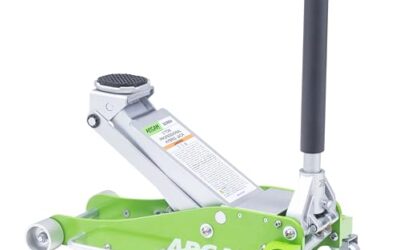
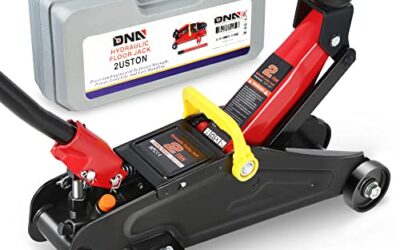
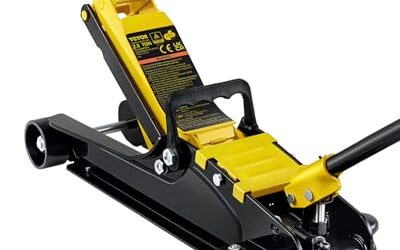
A floor jack is a mechanical device that uses hydraulic pressure to lift vehicles for maintenance, repairs, or other tasks. It consists of a hydraulic cylinder, pump, and ratchet mechanism. When the pump handle is operated, it forces fluid into the cylinder, creating pressure that extends the piston and lifts the vehicle. The load is then supported by the jack until it can be secured with jack stands. However, if the jack will not lift under load, several issues can be at play. Understanding these helps in quick diagnosis.
Common Causes of a Floor Jack Failing to Lift Under Load
Improper Placement on Lift Points
One of the most frequent reasons a floor jack will not lift under load is incorrect positioning. Each vehicle has specific lift points recommended by the manufacturer to avoid damaging the frame or body. Placing the jack pads on the wrong spots, such as on plastic covers or suspension components, can prevent the jack from engaging properly. For example, on a sedan, the points are usually at the frame rails, while on a truck, they might be different. Always refer to your vehicle’s owner’s manual or a reliable service guide for exact locations. If the jack sinks into the ground or tilts, it indicates improper setup, which can cause the load to shift dangerously. Additionally, using the wrong adapter or saddle for the vehicle’s jack points can lead to this issue. For vehicles with unique designs, such as those with integrated lift points or different underbody structures, compatibility is key. Ignoring this can result in the jack slipping or failing to gain purchase on the load.
Jack Damage or Wear
Over time, floor jacks can develop issues like bent arms, cracked welds, or worn hydraulic seals. If the jack has been dropped or overloaded beyond its rating, it may not be able to handle the vehicle’s weight. Look for signs like bent lifting pads or leaking fluid. A damaged jack can fail suddenly under load, leading to the vehicle dropping. It’s important to replace any jack that shows signs of wear or has been in an accident. Regular inspections can help catch these issues early. For instance, if the lifting saddle is bent or the cylinder is dented, the jack’s ability to lift is compromised. In some cases, the ratchet teeth may be worn, preventing smooth operation.
Hydraulic System Problems
The hydraulic system is the heart of the floor jack. If there’s a leak in the seals or lines, fluid escapes, reducing pressure and preventing lift. Low fluid levels can also cause issues, though many jacks are self-contained. Additionally, the pump may not be building pressure if the handle is not pumping correctly or if air is in the system. Air in the hydraulic lines can make the jack feel spongy and unable to lift heavy loads. According to Pascal’s law, pressure applied to a confined fluid is transmitted undiminished in all directions. This principle allows the small force on the pump handle to lift heavy loads, but any breach in the system disrupts this. Inspect the reservoir for low fluid and check all connections for leaks. If the fluid is milky or contaminated, it may indicate internal damage. For vehicles requiring frequent lifting, such as daily drivers, a well-maintained hydraulic system is essential.
Overloading the Jack
Every floor jack has a maximum capacity rating, usually stamped on the tool. If the vehicle is heavier than the jack can handle, it will not lift. For instance, a standard floor jack might be rated for 3 tons, but a heavy SUV could exceed that. Always check the rating and ensure it’s not exceeded. Attempting to lift beyond capacity can damage the jack or cause it to collapse. The rating is typically based on static load tests, but dynamic lifting may require a higher margin. For heavier vehicles like pickups or commercial vans, a higher-rated jack is necessary. Overloading can also lead to sudden failure, which is why it’s critical to match the equipment to the task. If the jack is rated for a lighter vehicle but used on a heavier one, the risk increases significantly.
Stuck Ratchet Mechanism
The ratchet system allows incremental lifting. If the pawl or teeth are stuck due to dirt, rust, or lack of lubrication, the handle won’t turn properly, preventing the pump from engaging. Clean and lubricate the ratchet if needed, but be careful not to force it if it’s damaged. In some cases, the ratchet may be misaligned or the spring broken, which requires replacement. This issue is common in older jacks that have not been maintained. For vehicles that require precise lifting, such as those with sensitive components, a smooth ratchet is crucial to avoid sudden drops or uneven lifts.
Other Factors
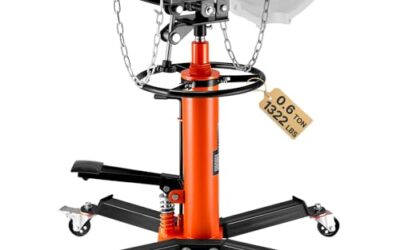
Vehicle weight distribution, soft ground causing the jack to sink, or the need for a taller jack for certain vehicles can also play a role. For heavier vehicles like pickups, a standard jack may not suffice, requiring a bottle jack or transmission jack instead. Soft ground can cause the jack to bottom out or lose stability. In such cases, using jack stands or a more stable surface is recommended. Additionally, if the vehicle is not centered on the jack or if the load is unevenly distributed, the jack may not lift properly. Always ensure the vehicle is stable and the jack is properly aligned before attempting to lift.
Step-by-Step Troubleshooting
- Inspect the placement: Safely position the jack on the correct lift points. Use the jack’s built-in pads or adapters if provided. Ensure the vehicle is on a level surface and the jack is centered. Double-check the lift points in your vehicle’s manual to avoid frame damage.
- Check for damage: Visually inspect the jack for cracks, bends, or leaks. Test the handle for smooth operation without sticking. If any damage is found, do not use the jack and replace it immediately.
- Verify capacity: Compare the jack’s rating to the vehicle’s weight. If unsure, consult a scale or the manual. Ensure the jack is not being used beyond its limits.
- Check hydraulic fluid: Look for leaks around the cylinder and reservoir. If low, you may need to top off, but professional help is recommended for fluid changes. Use the correct type of fluid as specified by the manufacturer.
- Try pumping the handle: Pump the handle steadily. Listen for the pump engaging. If it doesn’t, there might be air or a seal issue. Pump in a smooth, even motion to build pressure gradually.
- Check the ratchet: Ensure the ratchet turns freely. If stuck, apply a small amount of lubricant or replace the jack. Avoid forcing the mechanism to prevent further damage.
- Support with jack stands: Once lifted, always secure the vehicle with jack stands rated for the vehicle’s weight before working underneath. This is critical to prevent the vehicle from dropping if the jack fails.
Diagnosis Checklist
| Symptom | Possible Cause | Action |
|---|---|---|
| Jack sinks immediately | Improper placement or soft ground | Reposition or use stands |
| No pumping action | Stuck ratchet or pump failure | Clean or replace |
| Lifts slightly then stops | Hydraulic leak or low fluid | Inspect seals |
| Handle won’t turn | Damaged mechanism | Replace jack |
| Jack feels spongy | Air in hydraulic system | Bleed the system |
Safety Warnings
Working with floor jacks involves significant risks. Never work under a vehicle supported only by a floor jack. Always use jack stands to support the vehicle after lifting to prevent it from dropping if the jack fails. If the jack fails, the vehicle can drop suddenly, causing serious injury or death. Follow all manufacturer instructions and consider professional assistance for heavy vehicles or if you’re not experienced. Ensure the area is clear of obstacles and the vehicle is stable before lifting. For vehicles with airbags or complex electronics, additional precautions may be needed.
Common Mistakes
- Assuming the jack is safe after minimal testing without checking capacity or placement.
- Ignoring the capacity rating and attempting to lift heavier than recommended.
- Not using proper lift points, leading to frame damage or jack failure.
- Skipping jack stands after lifting, which is the most common cause of accidents.
- Using a damaged or old jack that has been dropped or worn out.
- Forcing the ratchet mechanism when it’s stuck, which can cause injury.
- Not referring to the vehicle’s manual for specific instructions.
When to Get Professional Help
If you’ve tried the basic troubleshooting steps and the jack still won’t lift, or if you’re unsure about any part of the process, it’s best to consult a professional mechanic. For vehicles over a certain weight or with complex systems, professional equipment and expertise are necessary. Additionally, if the jack is new or under warranty, contact the manufacturer. Professional help is also recommended if the vehicle has been in an accident or if there are signs of frame damage. For heavy-duty vehicles or those requiring specialized lifting, a professional lift is safer and more efficient.
Maintenance Tips to Prevent Issues
To avoid future problems with your floor jack, perform regular maintenance. Inspect the jack before each use for any signs of wear or damage. Keep the hydraulic fluid clean and at the proper level. Lubricate the ratchet mechanism periodically to ensure smooth operation. Store the jack in a dry place to prevent rust. Following these tips can extend the life of your floor jack and reduce the risk of failure under load. For vehicles that are lifted frequently, such as in a shop environment, more frequent inspections are advised.
FAQ
How do I determine if my floor jack is the right one for my vehicle?
Check the jack’s capacity rating against your vehicle’s weight, which can be found in the owner’s manual or on a scale. Also, ensure it matches the type needed for your vehicle’s lift points. For example, a standard floor jack may work for a sedan but not for a heavy truck. Always match the jack to the task to ensure safety and effectiveness.
What should I do if the floor jack pumps but won’t lift the load?
This could indicate a hydraulic leak or the jack’s capacity being exceeded. Inspect for leaks and verify the rating. If it persists, the jack may need repair or replacement. Check for air in the system or low fluid levels. If the issue continues, professional diagnosis is recommended to avoid further damage.
Can a floor jack be used on any vehicle?
No, it depends on the vehicle’s weight and designated lift points. Heavier vehicles or those without proper points may require specialized lifting equipment. Ensure compatibility with the vehicle’s model year and design to prevent damage or failure.
What are the signs that my floor jack needs replacement?
Signs include visible damage, difficulty pumping, leaking fluid, or failure to lift under normal loads. If it has been dropped or used beyond capacity, replace it. A jack that is not functioning properly poses a safety risk and should be replaced to ensure reliable performance.
Is it safe to lift a vehicle with a floor jack without jack stands?
No, it is not safe. Always use jack stands to support the vehicle after lifting to prevent it from dropping if the jack fails. This is a fundamental safety rule in automotive repair and maintenance.