Why car carpet is wet under floor mats usually comes down to water entering through a door, window, windshield, body opening, or HVAC drain. Coolant from a leaking heater core can also soak carpet, so check the fluid and smell before treating every wet spot as rainwater.
- Note which footwell is wet and whether it appears after rain, washing, or using the air conditioner.
- Clear standing water and lift the mat, but do not pull up carpet or trim near wiring or airbags.
- Sweet-smelling, slippery fluid or a falling coolant level needs prompt attention.
- Drying the carpet helps prevent odor and mold, but does not repair the leak.
Quick symptom-to-cause checklist
| What you notice | Possible cause | Safe first check |
|---|---|---|
| Wet carpet after rain, mainly by a door | Door seal, window seal, or water escaping from inside the door | Look for damp trim and water trails after rainfall. |
| Wet front footwell after rain, near dash or windshield | Windshield bond, cowl area, sunroof drain, or another body opening | Check for dampness higher on the carpet or along the kick panel. |
| Wet floor after air conditioning use | Blocked or displaced evaporator drain | Note whether dampness follows AC use; do not poke tools into the drain. |
| Wet front carpet with sweet odor or greasy feel | Heater core or heater hose coolant leak | Check coolant level only when engine is cold and follow owner’s manual. |
| Wet carpet without a clear weather pattern | Spill, hidden body leak, or a leak from a component above the floor | Blot a sample with a white towel and track when moisture returns. |
Why car carpet is wet under floor mats: find the pattern
Water often travels before it shows. A leak at the windshield, door, or cowl can run behind trim and settle at a low point under the carpet. The wettest spot may be far from the entry point. A dry mat surface also does not mean carpet below it is dry; the mat can hide moisture and slow evaporation.
Start with location and timing. Record which side is wet, how far the damp area reaches, and what happened before you found it. Rain, a car wash, air conditioning, and a recent coolant refill point toward different checks. Compare front and rear footwells, then inspect the lower door trim and carpet edges without removing panels.
Common causes of wet carpet
Rainwater entering through door seals or the door itself
Cracked, folded, or poorly seated weatherstripping can let rain past a door opening. Water can also enter the door through the window opening and should leave through drain openings at the bottom. If those openings clog, water may collect inside and spill toward the cabin. Dampness along the door sill or lower trim can support this theory, but it does not prove which part failed.
Check for leaves, dirt, or a mat caught between the door and seal. Do not seal drain openings with tape or caulk. If the door stays wet inside or water returns after cleaning accessible debris, a body shop or repair shop can test the door and its seals.
Windshield, cowl, sunroof, or body opening leaks
A windshield leak may send water down behind the dashboard or along a pillar. A blocked cowl drain can also let water collect near the base of the windshield. Cars with sunroofs often route water through drains, but layout and access vary by model and year. A plugged, disconnected, or damaged drain can send water into a pillar or footwell.
Look for damp carpet edges, wet trim, or water marks higher than the floor. Avoid removing pillar trim yourself if the vehicle has curtain airbags there. Do not push wire or compressed air into a drain unless the vehicle’s service instructions call for that method; it can disconnect or damage a drain hose.
Air-conditioning evaporator drain
The air conditioner removes moisture from cabin air. That water normally exits beneath the vehicle through an evaporator drain. If the drain is clogged, loose, or damaged, water may enter the cabin and wet the front carpet. A wet passenger-side footwell after AC use can fit this pattern, but vehicle layouts differ and the symptom alone is not a diagnosis.
Note whether moisture appears after running the AC, including in humid weather. A small puddle beneath a parked vehicle can be normal condensation, but the absence of a puddle does not confirm a blockage. Have a technician inspect the drain if cabin carpet becomes wet or the source is unclear.
Heater core or coolant leak
A heater core leak can put engine coolant inside the cabin. Clues can include a sweet odor, slippery residue, fogging on the glass, or coolant loss. Coolant color varies, so color alone cannot identify the fluid. Never open a hot cooling system. Check the reservoir only as the owner’s manual directs, with the engine cold.
If coolant is leaking into the cabin, arrange diagnosis promptly. Coolant can damage interior materials, and a falling coolant level can lead to engine overheating. Stop driving if the temperature warning appears or the engine overheats, and follow the manual’s safety instructions.
Spills, wet footwear, and other sources
A drink spill, snowmelt, wet clothing, or water carried in on shoes can soak a mat and the carpet beneath it. This becomes more likely if the wet patch is local, has no damp trail toward trim, and does not return after thorough drying. Check under the rear mats and seats too; liquid can move across the floor and collect elsewhere.
How to narrow down the source safely
- Remove the floor mat. Keep it out of the car until dry. Check whether carpet is damp across a broad area or only under one corner.
- Blot, do not taste. Use a clean white towel to note whether the fluid looks oily or leaves residue. Do not rely on color or smell alone to identify a fluid.
- Write down the trigger. Record rain, a wash, AC use, or a spill, along with the wet location. Repeat timing can be more useful than one inspection.
- Inspect visible areas. Look at door seals, sill trim, carpet edges, and accessible drain openings. Do not remove dashboard, pillar, or seat trim without model-specific instructions.
- Check for coolant clues. If the liquid may be coolant, inspect the cold reservoir as directed by the manual. Seek service if level drops or the carpet has a sweet smell or slick residue.
- Get a leak test if the source remains unclear. A shop can test likely areas and inspect drains without guessing at parts.
Dry the carpet after stopping the leak
Remove standing water with towels or a wet-dry vacuum suitable for the task, then allow airflow through the cabin. Keep electrical equipment and extension cords away from standing water. Avoid running a portable heater unattended or directing high heat at carpet, wiring, plastic trim, or seats.
Carpet padding can hold moisture after the surface feels dry. Persistent dampness can lead to musty odor, mildew, or corrosion at electrical connections under the carpet. If water reached seat wiring, connectors, or a control module, do not pull up carpet or unplug components casually. Ask a qualified technician to inspect the affected area.
Once the leak is repaired and the interior is dry, a properly fitted mat can help catch everyday water and dirt. It cannot stop water entering through a failed seal or drain. For fitment context, see our guide to floor mat fit in an F-350 crew cab. A cargo liner protects a different area; our cargo liner guide for dog owners covers rear cargo space, not footwell leaks.
Common mistakes
- Replacing the mat first. A new mat hides the symptom but does not stop water entry.
- Assuming all clear fluid is rainwater. AC condensate and other fluids may look clear. Use timing and other clues, not appearance alone.
- Pouring water over the car without a plan. Uncontrolled testing can wet more areas and make the entry path harder to trace. A shop can test one area at a time.
- Clearing a drain with a sharp tool. This may puncture or disconnect a hose. Follow vehicle-specific service instructions.
- Stopping when carpet feels dry. Padding underneath can remain wet. Check again after airflow and drying time.
- Ignoring warning signs. Coolant odor, overheating, or damp wiring calls for more than carpet cleaning.
When to get professional help
Arrange service if water returns after drying, the source is behind dashboard or pillar trim, a sunroof drain may be involved, or coolant clues appear. Seek prompt help if carpet is wet around electrical connectors, seat wiring, or control modules. Vehicle design varies by model year, and trim removal can expose airbag wiring or other components that need specific handling.
Ask the shop to identify the entry path before approving a repair. A repeatable leak test can distinguish a seal, drain, windshield, or HVAC issue. If the carpet has been soaked for an extended period, mention that too; drying and checking hidden padding may be part of the repair.
Gear that can help
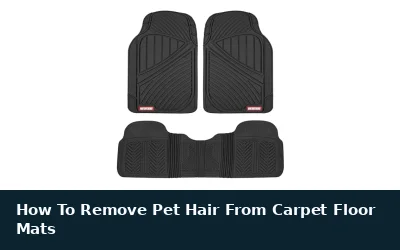
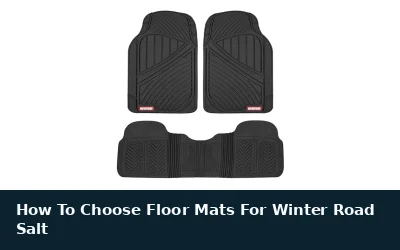
If you need all-weather floor mats and liners for this job, these picks already appear in our all-weather floor mats and liners guides. Check the full guide for fit and who should skip each one.

Pros
- Trim-to-fit design supports customization for most vehicles
- Heavy-duty rubber construction is designed for durability
- Waterproof, all-weather design helps protect vehicle interiors
- Soap-and-water cleaning is straightforward
Cons
- Universal fit may require trimming to match a specific vehicle
Best For / Avoid If
Best for buyers prioritizing
- Trim-to-fit design supports customization for most vehicles
- Heavy-duty rubber construction is designed for durability
- Waterproof, all-weather design helps protect vehicle interiors
Consider another option if
- Universal fit may require trimming to match a specific vehicle

Pros
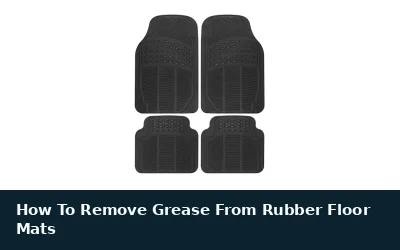
- Complete four-piece set covers the front and rear seating areas
- Anti-slip rubberized nibs are included on the bottom of each mat
- Padded heel rest and ergonomic grooves add comfort and traction
- Fits most cars, trucks, vans, and SUVs according to the listing
Cons
- Semi-universal sizing may not fit every vehicle
- The listing does not include detailed vehicle-specific compatibility information
Specifications
| Color | Black |
|---|---|
| Size | 25"L x 17.5"W (Front), 13"L x 17.5"W(Rear) |
| Dimensions | 26.1811 x 17.9133 x 0.7874 Inches |
| Weight | 3.77 Pounds |
| Product Group | Automotive Parts and Accessories |
| Binding | Automotive |
Best For / Avoid If
Best for buyers prioritizing
- Complete four-piece set covers the front and rear seating areas
- Anti-slip rubberized nibs are included on the bottom of each mat
- Padded heel rest and ergonomic grooves add comfort and traction
Consider another option if
- Semi-universal sizing may not fit every vehicle
- The listing does not include detailed vehicle-specific compatibility information

Pros
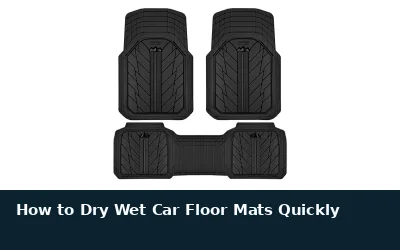
- All-weather design is intended to help protect vehicle carpets from spills, dirt, and snow
- Front and rear mats can be cut to the desired size
- Specified dimensions are provided for both front and rear mats
Cons
- Universal fit may require trimming for a suitable vehicle-specific fit
- Mats may have slight creases after packaging that need tidying or exposure to sunlight to disappear
Specifications
| Color | BLack Red |
|---|---|
| Dimensions | 27.2 x 17.3 x 2 inches |
| Product Group | Automotive Parts and Accessories |
Best For / Avoid If
Best for buyers prioritizing
- All-weather design is intended to help protect vehicle carpets from spills, dirt, and snow
- Front and rear mats can be cut to the desired size
- Specified dimensions are provided for both front and rear mats
Consider another option if
- Universal fit may require trimming for a suitable vehicle-specific fit
- Mats may have slight creases after packaging that need tidying or exposure to sunlight to disappear
FAQ
Can a clogged AC drain make carpet wet?
Yes. A blocked, loose, or damaged evaporator drain can let condensation enter the cabin. Wetness after AC use can point in that direction, but inspection is needed to confirm the cause.
Why is only the passenger-side floor wet?
Some leaks appear on one side because drains, HVAC parts, and body openings differ in location. A wet passenger footwell can fit an AC drain issue, but rain entry or a spill can cause the same symptom.
Can I drive with wet carpet?
A small amount of clean water on carpet does not by itself identify a driving hazard. Do not ignore suspected coolant, overheating, wet electrical connections, or warning lights. Follow the owner’s manual and seek service when those signs appear.
Will rubber floor mats stop the carpet from getting wet?
A correctly fitted mat can catch water carried in on shoes. It cannot seal a door, repair a windshield bond, or clear an HVAC drain. Fix the leak and dry the carpet before relying on a mat for routine protection.