To dry a wet car carpet safely, remove standing water, lift removable mats, and move air across exposed carpet until both carpet and padding are dry. First find and stop the water source; if water reached wiring, seat connectors, or airbag parts, avoid disturbing them and get qualified help.
Key takeaways
- Act quickly, but check for electrical hazards before using powered equipment.
- Carpet surface can feel dry while thick padding underneath still holds water.
- Use towels and a wet-dry vacuum for water removal, then steady airflow for drying.
- Do not remove seats or trim unless the vehicle service procedure allows it and you can handle connected safety systems.
- Recurring dampness means water is still entering. Drying alone will not fix it.
How to dry a wet car carpet safely
Drying works best in two stages: remove as much liquid as possible, then circulate air until moisture has left the carpet and underlay. Warmth can help, but high heat or unattended heaters can damage trim or start a fire. Work in a dry, ventilated area, and keep electrical devices away from water.
1. Check for hazards and stop the leak
Look for standing water, a wet 12-volt outlet, exposed wiring, warning lights, or water around seat bases. Do not plug in a vacuum or fan if its cord, outlet, or connection could contact water. Do not touch damaged wiring or connectors. If water reached an electrical component, disconnecting the battery is not a casual first step: vehicle procedures vary, and some systems require careful handling. Have a qualified technician assess the car.
Identify where water entered before drying. Rain can come through a door seal, window, windshield bond, sunroof drain, or body opening. A blocked air-conditioning drain can wet the front footwell. Coolant can also enter the cabin through a heater-core leak. Sweet-smelling liquid, a greasy feel, or falling coolant level suggests coolant rather than rainwater. Avoid skin contact and arrange diagnosis.
2. Remove loose water
Take out floor mats and any other loose items. Blot carpet with clean absorbent towels, pressing down to draw up water. Replace soaked towels rather than rubbing the carpet, which can spread dirt or push moisture deeper.
A wet-dry vacuum can remove more water from carpet than blotting alone. Use it only in line with its manual, with suitable attachments and safe electrical placement. A household vacuum is not a substitute; liquids can create shock or equipment hazards in a vacuum not built for wet pickup.
If you use a wet-dry vacuum on carpet, move the nozzle slowly and make overlapping passes. Do not force a tool under trim or into areas with wiring. A small amount of water may remain in the foam padding even after the carpet surface looks better.
3. Expose damp areas without disturbing safety systems
Lift carpet edges only if they release without force and without removing seat bolts, trim that hides wiring, or connected components. Some vehicles have wiring and connectors beneath seats; airbag-related parts may also be present. Model year and trim affect layout. If carpet will not lift easily, or water sits under a seat, stop and arrange service instead of prying.
On an older vehicle or in an area clear of electrical parts, lifting a carpet edge can help you see whether water has reached the padding. Do not assume every car has the same layout. Check the owner’s manual or service information for instructions before removing interior parts.
4. Dry with controlled airflow
Place a fan outside the wet area and aim airflow across the exposed carpet. Open doors or windows only when weather, security, and the parking location make that safe. Ventilation helps carry damp air out rather than trapping it inside the cabin.
A dehumidifier can help in a garage or other enclosed space. Keep it stable, away from wet electrical connections, and follow its instructions. Do not leave household equipment running unattended in a vehicle or where water could reach its power supply.
Use room-temperature or gently warm air. Avoid heat guns, open flames, and high-temperature space heaters. They can damage carpet backing, plastic trim, adhesives, or nearby wiring, and can create a fire risk. Do not leave a vehicle running in an enclosed garage to use its heater; exhaust can cause carbon monoxide poisoning.
5. Check carpet and padding before reinstalling mats
Check more than the visible surface. Press a clean, dry towel firmly into several damp areas, including carpet near the edges. If the towel picks up moisture or padding still feels wet, continue water removal and airflow. A surface that feels dry does not prove the underlay has dried.
Keep mats out until the carpet is dry. Putting them back too soon traps moisture and slows drying. Once dry, clean and dry the mats separately according to their material and care instructions. For a replacement mat, fit matters: this guide to floor-mat fitment for an F-350 crew cab explains why vehicle-specific shape and coverage matter.
Choose a drying method by water amount
| Situation | First step | When to escalate |
|---|---|---|
| Small spill on the carpet surface | Blot, remove the mat, and use airflow. | If liquid soaked through or odor remains after drying. |
| Several wet areas or visible standing water | Extract water with a wet-dry vacuum suitable for liquid pickup. | If water is under padding, seats, or trim. |
| Water after heavy rain or flooding | Do not start with a fan if electrical areas are wet. Assess hazards and water depth first. | If water reached wiring, modules, seat connectors, or other electrical equipment. |
| Wet carpet returns after drying | Look for a continuing leak or drain problem. | Have the water entry point diagnosed and repaired. |
| Sweet-smelling or oily-feeling liquid | Avoid contact and check coolant level only if safe to do so. | Arrange inspection for a possible coolant leak. |
How to tell whether the padding is still wet
Carpet fibers can dry while foam or fiber padding below them stays damp. Press a dry towel into the carpet and check whether it becomes damp. Compare several spots, especially low points and places where water collected. A musty smell, fogged windows, or dampness returning after the car sits can point to moisture that remains or a leak that has not stopped.
Some vehicles use thick underlay or molded carpet that is difficult to dry in place. If water has spread beneath seats or across a large section, professional interior removal may be needed. A shop can inspect hidden areas and dry them without guessing where connectors or restraint-system parts sit.
Common mistakes
- Drying only the visible carpet: Padding can retain water after the pile feels dry. Check below the surface where access is safe.
- Putting mats back too early: Mats restrict airflow and can hold moisture against carpet.
- Using excessive heat: Hot air can deform plastics, affect adhesives, or damage carpet backing.
- Using a regular vacuum on liquid: Use a wet-dry vacuum rated for liquid pickup, following its manual.
- Removing seats without checking the procedure: Seat wiring and restraint-system connections vary by model year and vehicle. Do not unplug connectors or remove seat bolts without applicable service instructions.
- Masking odor instead of fixing its cause: Fragrance does not dry padding or stop a leak. Clean and dry the affected area after finding the source.
- Assuming rain is the only possible source: A leaking heater core or blocked drain can also wet cabin carpet.
When to get professional help
Stop and call a qualified repair shop or water-damage specialist if water reached seat connectors, wiring, electronic modules, or areas you cannot inspect safely. This matters even if the carpet is drying; moisture can remain hidden beneath trim. Do not turn the ignition on to test wet electrical systems.
Professional diagnosis also makes sense after flooding, widespread soaking, repeated leaks, or a strong persistent odor. Water depth and vehicle design change what may need inspection. Floodwater can carry contaminants, and drying alone may not address them. Tell the shop how high water reached and whether the car was running or powered while wet.
Seek prompt mechanical inspection if wet carpet comes with a sweet smell, greasy residue, engine-temperature warning, or a drop in coolant level. Those signs can point to a leak that needs repair, not just interior drying.
Gear that can help
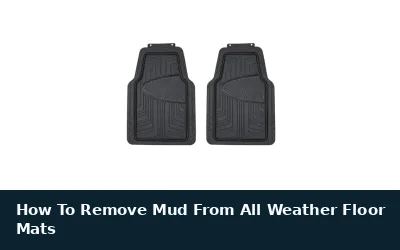
If you need all-weather floor mats and liners for this job, these picks already appear in our all-weather floor mats and liners guides. Check the full guide for fit and who should skip each one.

Pros
- Complete four-piece set covers the front and rear seating areas
- Anti-slip rubberized nibs are included on the bottom of each mat
- Padded heel rest and ergonomic grooves add comfort and traction
- Fits most cars, trucks, vans, and SUVs according to the listing
Cons
- Semi-universal sizing may not fit every vehicle
- The listing does not include detailed vehicle-specific compatibility information
Specifications
| Color | Black |
|---|---|
| Size | 25"L x 17.5"W (Front), 13"L x 17.5"W(Rear) |
| Dimensions | 26.1811 x 17.9133 x 0.7874 Inches |
| Weight | 3.77 Pounds |
| Product Group | Automotive Parts and Accessories |
| Binding | Automotive |
Best For / Avoid If
Best for buyers prioritizing
- Complete four-piece set covers the front and rear seating areas
- Anti-slip rubberized nibs are included on the bottom of each mat
- Padded heel rest and ergonomic grooves add comfort and traction
Consider another option if
- Semi-universal sizing may not fit every vehicle
- The listing does not include detailed vehicle-specific compatibility information

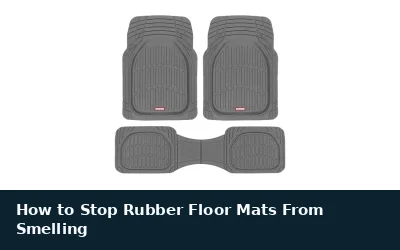
Pros
- All-weather design is intended to help protect vehicle carpets from spills, dirt, and snow
- Front and rear mats can be cut to the desired size
- Specified dimensions are provided for both front and rear mats
Cons
- Universal fit may require trimming for a suitable vehicle-specific fit
- Mats may have slight creases after packaging that need tidying or exposure to sunlight to disappear
Specifications
| Color | BLack Red |
|---|---|
| Dimensions | 27.2 x 17.3 x 2 inches |
| Product Group | Automotive Parts and Accessories |
Best For / Avoid If
Best for buyers prioritizing
- All-weather design is intended to help protect vehicle carpets from spills, dirt, and snow
- Front and rear mats can be cut to the desired size
- Specified dimensions are provided for both front and rear mats
Consider another option if
- Universal fit may require trimming for a suitable vehicle-specific fit
- Mats may have slight creases after packaging that need tidying or exposure to sunlight to disappear

Pros
- Waterproof and stain-resistant materials support easier cleaning
- Heavy nibbed backing helps reduce mat movement
- Four-piece set covers front and rear footwells
Cons
- Universal-fit design may require measurement before installation
- Exact binding type is listed as unknown
Specifications
| Color | All Black |
|---|---|
| Dimensions | 25.1968 x 17.3228 x 0.15748 inches |
| Weight | 3.99918543268 pounds |
| Product Group | Automotive Parts and Accessories |
| Binding | Unknown Binding |
Best For / Avoid If
Best for buyers prioritizing
- Waterproof and stain-resistant materials support easier cleaning
- Heavy nibbed backing helps reduce mat movement
- Four-piece set covers front and rear footwells
Consider another option if
- Universal-fit design may require measurement before installation
- Exact binding type is listed as unknown
FAQ
Can I dry wet car carpet without removing it?
Sometimes. For a small spill, blotting, extraction, and airflow may be enough. If water reached thick padding or spread under seats, drying in place may leave hidden moisture. Lift carpet only where it can be done without disturbing wiring or safety equipment.
How long does wet car carpet take to dry?
Drying time depends on how much water entered, carpet and padding thickness, airflow, humidity, and whether the leak has stopped. There is no reliable single time for every vehicle. Use the towel check and inspect damp areas again before replacing mats.
Can I use a hair dryer or heat gun?
A heat gun is too hot for this job and can damage interior materials. A hair dryer can also overheat a small area or create an electrical hazard near water. Prefer water extraction and steady room-temperature airflow.
Why does my car carpet smell musty after drying?
Odor can mean padding, carpet backing, or another hidden area remains damp. It can also mean contamination or a leak is still present. Recheck moisture and the water source; seek professional cleaning if smell persists after the area is dry.