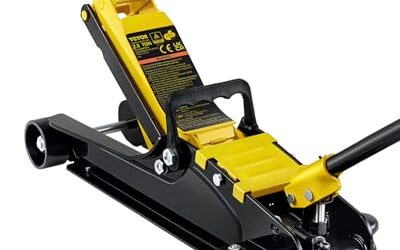
To store a hydraulic floor jack, clean it, lower its lifting arm if the manual permits, and keep it unloaded on a stable, dry surface. Follow the jack maker’s instructions for storage position and release-valve setting, since hydraulic designs differ.
- Never store a jack while it supports a vehicle or other load.
- Keep the jack upright unless its manual approves another position.
- Wipe away dirt and moisture, then check for leaks or damage.
- Keep the jack where it cannot roll, tip, or block a walkway.
- Before the next use, inspect it and test its operation without a vehicle load.
Why storage position matters
A hydraulic floor jack uses fluid pressure to raise its lifting arm. Its seals, pump, reservoir, and release mechanism need to stay in the condition intended by the maker. A jack left under load can settle or fail, while dirt, moisture, or a poor storage position can contribute to corrosion, leaks, or damage.
Many floor jacks can be stored with the lifting arm fully lowered. That reduces the exposed piston area and keeps the jack compact. But do not treat this as a universal rule. Some models have specific instructions for the handle, valve, or storage position. The manual for your jack takes priority.
A floor jack is a lifting tool, not a vehicle support. If you are storing it after a repair, lower the vehicle onto properly rated jack stands or another support method approved for that vehicle. Never leave a vehicle resting on a hydraulic jack during storage or while you work beneath it. See our guide to jack stands for vehicle support for related safety considerations.
How to store a hydraulic floor jack: step-by-step
- Remove all load. If the jack has lifted a vehicle, lower the vehicle onto appropriate supports before removing the jack. Do not release a valve while anyone is under a vehicle or while the jack is the only support.
- Check the manual. Find the maker’s instructions for storage position, lifting-arm position, release-valve setting, handle position, and permitted temperature range. Use the model-specific directions when they differ from general advice.
- Lower the lifting arm if directed. With the jack unloaded and on a stable surface, lower the arm using the procedure in the manual. Do not force the arm down or guess at how far to turn a release valve. Valve designs and operating instructions vary.
- Wipe down the jack. Remove dirt, road salt, grease, and moisture with a suitable cloth. Keep cleaning fluid away from seals and painted surfaces unless the maker approves it. Do not use a pressure washer; water can reach areas that should stay dry.
- Inspect for problems. Look for fluid around the pump, cylinder, or fittings; damaged wheels; a bent handle; loose hardware; and visible rust or cracks. A damp patch could have several causes, so do not assume it is harmless. Stop using a jack with a suspected hydraulic leak or structural damage until it has been checked.
- Set the handle and controls as directed. Secure a removable handle or place a fixed handle in its designated storage position. Set the release control only as the manual directs. Do not tighten a valve harder than instructed.
- Choose a stable storage spot. Place the jack upright on a firm, level surface where it cannot roll or tip. Keep it away from standing water, road spray, corrosive chemicals, and areas where a vehicle or other equipment could strike it.
- Keep the area clear. Do not stack heavy objects on the jack or use it as a shelf. Keep it accessible without creating a trip hazard. If it has casters, do not assume they will hold it in place on a sloped floor.
- Check it before use. After storage, inspect the jack again. Follow the manual’s operating checks before lifting a vehicle, and stop if the jack leaks, moves unevenly, or fails to hold its position.
Can a hydraulic floor jack be stored on its side?
Only store a floor jack on its side if its manual specifically allows that position. Tilting or laying down a jack can let hydraulic fluid move through parts of the system that are not meant to remain in that position. The result can include leakage or air entering parts of the hydraulic system, depending on the design.
If the manual does not approve sideways storage, keep the jack upright. This applies even when a jack fits more easily on a shelf or in a vehicle when laid flat. Do not guess based on another jack’s instructions; internal layouts can differ.
Where should you keep a floor jack?
Choose a dry, sheltered space with a firm, level floor. A garage or workshop can work if the jack stays clear of rain, wash water, road salt, and chemical spills. Avoid spots where temperature conditions fall outside the limits in the manual. Those limits depend on the jack and its hydraulic fluid.
For a mobile jack, keep the wheels from contacting loose debris that could jam them. Store it where people will not trip over the handle or run into the frame. Do not hang a heavy jack from a wall or shelf unless the storage system and jack maker approve that method.
In a vehicle, secure the jack so it cannot slide or become a projectile during sudden braking or a collision. Use a compartment or restraint intended to hold the tool. Do not assume a loose cargo area or a storage bracket made for another jack will hold yours safely.
Storage checklist
| Check | Ready for storage? | Action if not |
|---|---|---|
| Load | No vehicle or other load on jack | Set the load on suitable supports first |
| Arm position | Matches manual | Use the model’s stated procedure |
| Jack condition | No visible leak or damage | Stop use and arrange inspection or repair |
| Surface | Firm, level, and dry | Move jack to a safer location |
| Position | Approved orientation | Keep upright unless manual says otherwise |
| Access | Cannot roll, tip, or block a path | Restrain or relocate it |
Common mistakes
- Leaving the jack under a vehicle. Hydraulic pressure can change over time. Use suitable stands or another vehicle-approved support method instead.
- Assuming every jack stores the same way. Valve and position instructions vary by model. Check the manual, especially before laying a jack down or changing valve position.
- Storing it wet or dirty. Moisture and road salt can contribute to corrosion. Wipe the jack before putting it away.
- Forcing the release valve. A valve is not a general-purpose fastener. Use only the operating procedure in the manual.
- Ignoring a leak. Adding fluid without diagnosing the cause can hide a fault. Use the specified fluid and service steps only when the maker permits owner maintenance.
- Using the jack as a stand. A floor jack raises a load; it does not replace a stable support system for work beneath a vehicle.
- Storing it where it can fall. A jack can injure someone or damage nearby equipment if it tips. Keep it stable and secured where needed.
When to get professional help
Stop using the jack if you see hydraulic fluid leaking, structural cracks, a bent lifting arm, damaged welds, or wheels that bind or break. Also stop if the jack sinks under load, will not lift normally, or behaves differently after storage. These symptoms can point to hydraulic or mechanical faults that visual cleaning cannot fix.
Check the manual or contact the maker for the correct service route. Do not open the hydraulic system, substitute fluid, or attempt a repair unless the maker’s instructions cover that work and you can follow them safely. A damaged jack should not return to lifting duty just because it appears to raise once.
If you are selecting a jack for a particular vehicle, the vehicle’s weight, approved lift points, and the jack’s range all matter. Our guides to floor jacks for SUVs and floor jacks for pickup trucks cover those buying considerations. Follow the vehicle and jack manuals for lifting procedures.
Gear that can help
If you need floor jacks or jack stands for this job, these picks already appear in our floor jacks guides. Check the full guide for fit and who should skip each one.

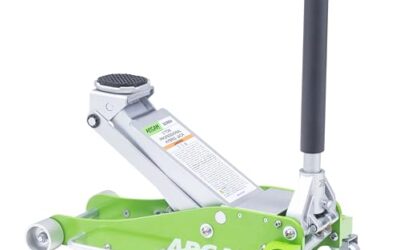
Pros
- Low-profile design supports access under vehicles with limited ground clearance
- Extended reach is intended for sports cars, lowered vehicles, and modified vehicles
- Steel construction and 3-ton capacity are suited to home and workshop vehicle maintenance
- Dual-piston RAPID PUMP technology is designed to reduce the number of pump strokes
Cons
- Color is provided randomly
Specifications
| Color | Random Color |
|---|---|
| Size | 3 Ton |
| Product Group | Automotive Parts and Accessories |
Best For / Avoid If
Best for buyers prioritizing
- Low-profile design supports access under vehicles with limited ground clearance
- Extended reach is intended for sports cars, lowered vehicles, and modified vehicles
- Steel construction and 3-ton capacity are suited to home and workshop vehicle maintenance
Consider another option if
- Color is provided randomly

Specifications
| Color | Multi-color |
|---|---|
| Dimensions | 23.38 x 9.21 x 6.26 inches |
| Weight | 30 pounds |
| Product Group | Automotive Parts and Accessories |
| Binding | Automotive |
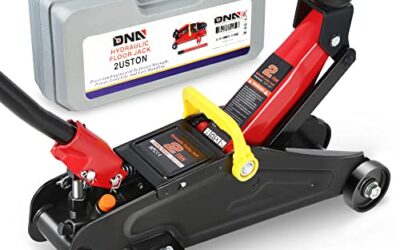
Pros
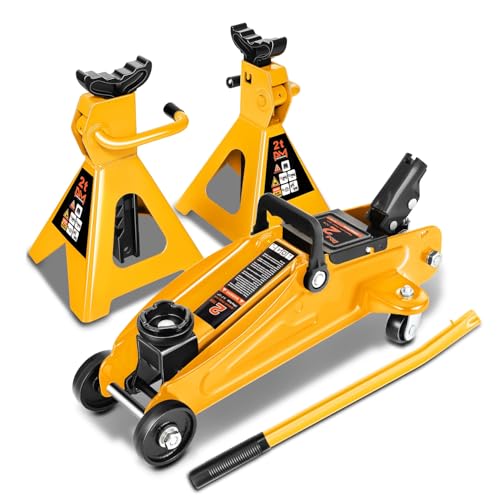
- Combines a floor jack with two adjustable ratchet jack stands
- Low-profile design starts at a 5.1-inch lifting height
- Jack stands use a sawtooth ratchet bar and locking lever design
- Large saddle and wide pyramid foot bases are designed for added stability
Cons
- The floor jack has a maximum lifting height of 13 inches
- The rated capacity is limited to 2 tons, or 4,000 pounds
- Vehicle compatibility is described generally as small cars, SUVs, and light-duty trucks, without a more specific fitment list
Specifications
| Color | Orange |
|---|---|
| Dimensions | 18.11 x 8.27 x 11.42 Inches |
| Weight | 31.79947667088 pounds |
| Product Group | Automotive Parts and Accessories |
| Binding | Automotive |
Best For / Avoid If
Best for buyers prioritizing
- Combines a floor jack with two adjustable ratchet jack stands
- Low-profile design starts at a 5.1-inch lifting height
- Jack stands use a sawtooth ratchet bar and locking lever design
Consider another option if
- The floor jack has a maximum lifting height of 13 inches
- The rated capacity is limited to 2 tons, or 4,000 pounds
- Vehicle compatibility is described generally as small cars, SUVs, and light-duty trucks, without a more specific fitment list
FAQ
Should I leave the release valve open while storing a floor jack?
Use the valve position specified in the jack manual. Designs and instructions differ, so do not assume open or closed is correct for every model.
Should the lifting arm stay raised or lowered?
Store it in the position stated by the maker. Many jacks are stored with the arm lowered, but the manual is the authority for your model.
Can I store my floor jack in a car trunk?
Yes, if the jack’s manual permits the conditions and you secure it against movement. Keep it in its approved orientation and away from cargo that could strike or damage it.
Does a floor jack need maintenance before storage?
Clean and inspect it before storage. Hydraulic fluid checks, lubrication, bleeding, and other service steps depend on the model; follow its maintenance instructions rather than using a generic procedure.
Sources and further reading
- Safety Standard for Portable Automotive Service Equipment (ASME): Information about safety standards covering portable automotive service equipment, including lifting equipment.