FIXD vs BlueDriver favors BlueDriver OBD2 Scanner Bluetooth for drivers who need ABS, SRS, TPMS, transmission, live data, and Mode 6 access without subscription fees. FIXD Bluetooth OBD2 Scanner makes more sense for budget-focused owners who want plain-language engine codes, maintenance reminders, and scans across multiple vehicles.

Pros
- Supports code scanning and code resets without requiring an expert
- Tracks vehicle-specific scans, mileage-based reminders, and shared results
- Compact 1.75 x 0.75 x 1.6-inch sensor is designed to stay under the dash
Cons
- Advanced features require an optional premium subscription after the 14-day trial
- Features may vary by vehicle make and model
Specifications
| Color | White |
|---|---|
| Size | 1 Pack |
| Dimensions | 1.75 x 0.75 x 1.6 inches |
| Weight | 0.06 pounds |
| Product Group | Automotive Parts and Accessories |
| Binding | Automotive |
Best For / Avoid If
Best for buyers prioritizing
- Supports code scanning and code resets without requiring an expert
- Tracks vehicle-specific scans, mileage-based reminders, and shared results
- Compact 1.75 x 0.75 x 1.6-inch sensor is designed to stay under the dash
Consider another option if
- Advanced features require an optional premium subscription after the 14-day trial
- Features may vary by vehicle make and model

Pros
- Provides more system-specific diagnostics than basic engine-code readers
- Wireless connection avoids the need for a cable between the scanner and phone or tablet
- Includes live data, freeze-frame information, smog readiness, and Mode 6 functions
- Free app updates and no subscription fees are included with the purchase
Cons
- A compatible phone or tablet is required for wireless operation
Specifications
| Color | Black |
|---|---|
| Size | Pro |
| Dimensions | 2.2 x 1.9 x 1 inches |
| Weight | 0.13 pounds |
| Product Group | Automotive Parts and Accessories |
| Binding | Automotive |
Best For / Avoid If
Best for buyers prioritizing
- Provides more system-specific diagnostics than basic engine-code readers
- Wireless connection avoids the need for a cable between the scanner and phone or tablet
- Includes live data, freeze-frame information, smog readiness, and Mode 6 functions
Consider another option if
- A compatible phone or tablet is required for wireless operation
These scanners target different levels of vehicle diagnosis. Both use a wireless sensor that plugs into the vehicle’s OBDII port and connects with a phone or tablet. Both support gasoline vehicles from 1996 onward, although their listed coverage differs for hybrids and diesel vehicles.
FIXD focuses on everyday ownership. Its app explains more than 39,000 issues in simpler language, tracks mileage-based reminders, stores scans by vehicle, and lets users share results with a family member or repair shop. The sensor can stay under the dash, which suits drivers who want quick access without carrying a handheld reader.
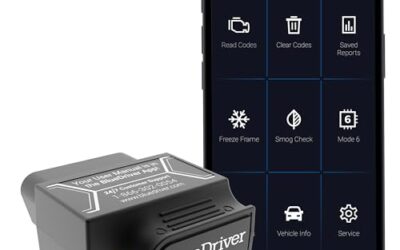
BlueDriver costs more, but its feature set reaches deeper into vehicle systems. The listing includes Check Engine, ABS, SRS, airbag, TPMS, and transmission codes, plus live data, freeze frames, smog readiness, Mode 6 results, and VIN-matched repair reports. Its one-time purchase includes app access and updates without subscription fees.
| Feature | FIXD Bluetooth OBD2 Scanner | BlueDriver OBD2 Scanner Bluetooth |
|---|---|---|
| Connection | Bluetooth to iPhone and Android | Bluetooth to phone or tablet |
| Gas vehicle coverage | 1996 and newer | 1996 and newer, sold in North America |
| Other listed vehicle coverage | Gasoline and hybrid vehicles from 1996; diesel vehicles from 2006 | Gas-powered vehicles from 1996 |
| Primary diagnostic focus | Plain-language issue explanations, maintenance reminders, and repair guidance | Multiple vehicle systems, live data, freeze frames, Mode 6, and repair reports |
| Subscription position | Free app with optional Premium upgrade after a 14-day trial | No subscription fees |
| Multiple-vehicle management | Yes, scans and reminders in one app | VIN-matched reports and broad make coverage |
FIXD Bluetooth OBD2 Scanner: Best for Simple Ownership Tasks
FIXD Bluetooth OBD2 Scanner suits drivers who mainly want to understand a Check Engine light before deciding what to do next. The app translates codes into simpler explanations, which can reduce the need to search technical code definitions one by one.
Its listed coverage includes gasoline and hybrid vehicles from 1996 onward, plus diesel vehicles from 2006 onward. That diesel range matters for owners of diesel cars and trucks, since the BlueDriver listing describes gas-powered vehicles from 1996 onward instead.
FIXD also supports iPhone and Android phones. Bluetooth removes the cable from the driver’s seat, while the compact sensor can remain connected under the dash. That setup fits owners who want occasional scans at home rather than a separate screen or workshop tool.
What FIXD lets you do
- Scan and identify more than 39,000 listed issues across thousands of vehicles.
- Read Check Engine information and clear codes after addressing a fault.
- Store information for multiple cars in one app.
- Track mileage-based service reminders.
- Share scan results with family members or a repair shop.
- Receive alerts for severe issues and needed maintenance.
The optional Premium tier adds repair recommendations, cost estimates, vehicle value by condition, and live mechanic support. A 14-day Premium trial comes with the product. That creates a lower entry cost, but buyers should distinguish the free app functions from the optional paid features before relying on those added tools.
Best for: Drivers who want a budget Bluetooth scanner, readable code explanations, maintenance reminders, and one app for several vehicles.
Skip it if: You need broad access to ABS, SRS, TPMS, transmission data, live data, or Mode 6 information. BlueDriver lists those functions more clearly for this use.
BlueDriver OBD2 Scanner Bluetooth: Best for Deeper System Access
BlueDriver OBD2 Scanner Bluetooth fits owners who need more than basic engine code reading. Its listed functions reach systems that can affect braking, restraint, tire pressure, and shifting, depending on vehicle support.
The scanner reads and clears codes for Check Engine, ABS, SRS, airbag, TPMS, and transmission systems. This does not mean every listed function works on every make and model. Vehicle coverage varies, so the manufacturer’s coverage chart remains important before purchase.
BlueDriver also provides live vehicle data, freeze frames, smog readiness, and Mode 6 results. Live data can help a driver or technician view sensor and system information while the vehicle operates. Freeze-frame information captures conditions linked to a stored fault. Smog readiness helps show whether required emissions monitors have completed. Mode 6 can expose onboard monitor results that basic code readers often do not show.
Why the repair reports matter
The app includes technician-verified repair reports matched to the vehicle identification number. Those reports include definitions, possible causes, and confirmed fixes. This gives a user more context than a code number alone, though a report cannot replace diagnosis when several faults can produce similar symptoms.
BlueDriver lists support for GM, Ford, Stellantis brands such as RAM, Jeep, and Chrysler, Toyota, Honda, Nissan, Mazda, Subaru, Hyundai, Mercedes-Benz, BMW, and Volkswagen. The scanner works with gas-powered vehicles from 1996 onward sold in the United States, Canada, and Mexico.
Best for: Drivers, advanced home mechanics, and repair learners who want system-level codes, live data, freeze frames, readiness checks, and repair reports.
Skip it if: You only need occasional Check Engine explanations and basic maintenance reminders. Its broader diagnostic feature set may add cost and complexity without helping that simpler task.
FIXD Vs BlueDriver Compatibility
Both scanners require an OBDII port and a compatible phone or tablet. The vehicle must also match the scanner’s supported engine type, model year, market, and diagnostic functions.
FIXD lists gasoline and hybrid vehicles from 1996 onward, along with diesel vehicles from 2006 onward. BlueDriver lists gas-powered vehicles from 1996 onward sold in North America. A hybrid owner should review FIXD’s stated coverage. A diesel owner has a clearer fit with FIXD based on the listed vehicle types.
Bluetooth pairing adds a phone dependency. The scanner itself does not replace the app, and diagnostic work requires the phone or tablet connection. Drivers should also expect feature coverage to vary by vehicle make and model. A scanner can support a system in general while offering different data on different vehicles.
Neither product description gives a universal promise of full dealer-level access. Airbag, ABS, TPMS, transmission, and other manufacturer-specific functions depend on vehicle support. Use the maker’s compatibility information for the exact vehicle before purchase, especially when a warning light involves safety systems.
Code Reading Is Not the Same as Repair Diagnosis
A diagnostic trouble code identifies a condition or system, not always a failed part. A code linked to an oxygen sensor, for example, can result from wiring, an air leak, fuel control issues, or the sensor itself. Clearing the code removes stored information, but it does not correct the cause.
FIXD’s plain-language explanations can help a new owner understand the first step. BlueDriver’s live data, freeze frames, and repair reports offer more information for users who can compare readings with vehicle symptoms and service information.
Do not treat a severe-issue alert as a permission to keep driving. Warning lights involving brakes, airbags, steering, overheating, or major engine symptoms need prompt attention. The scanner supplies information. A qualified technician remains the right choice when diagnosis involves safety systems, intermittent faults, or repairs beyond the owner’s skill.
Ownership Cost And App Strategy
FIXD sits in the budget segment. Its free app includes unlimited scans, while Premium adds repair recommendations, cost estimates, vehicle value by condition, and live mechanic support after the included trial period. Buyers should view Premium as an optional ongoing service rather than part of the basic sensor purchase.
BlueDriver sits in the premium segment. Its listing says one purchase includes full access, app updates, and all features without subscriptions, add-ons, or required accounts. That higher starting cost can make sense for owners who expect to use system scans or live data over several years.
Ownership value depends on use frequency. A driver who checks one car after an occasional warning may gain more from FIXD’s lower entry point. A household maintaining several vehicles may prefer FIXD’s vehicle management tools. A person who handles recurring faults, readiness checks, or system codes may recover BlueDriver’s higher cost through better information before visiting a shop.
Which Scanner Should You Buy?
Choose FIXD when simplicity matters most
Pick FIXD when your main questions are: What does this Check Engine code mean? Which maintenance reminder is due? Can I save this scan for another vehicle or share it with a shop?
Its diesel coverage also gives it a clearer fit for diesel vehicles from 2006 onward. Hybrid owners have a stated compatibility path as well. The optional Premium tools may help drivers who want repair estimates and mechanic support, but the free app remains the core value.
Choose BlueDriver when system coverage matters most
Pick BlueDriver when a basic engine-code reader will not be enough. ABS, SRS, airbag, TPMS, transmission, live data, freeze frames, smog readiness, and Mode 6 can make the premium purchase more useful for advanced diagnosis.
The no-subscription model also changes long-term cost. One payment gives access to listed features and app updates, so frequent users avoid recurring software charges. Vehicle-specific support still controls what the scanner can display.
Who Should Buy Neither?
Neither scanner suits a buyer who expects a universal replacement for a dealer scan tool, repair manual, or qualified diagnosis. The descriptions do not establish full coverage for every module, every model, or every manufacturer-specific function.
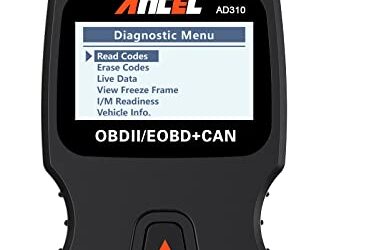
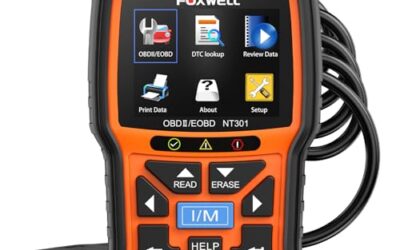
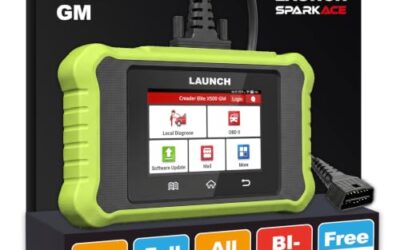
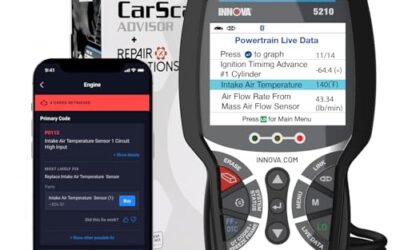
Choose a professional automotive diagnostic scanner instead when your work requires broader module access, bidirectional controls, programming, advanced service resets, or workshop-level functions. CarTechTalk’s guide to professional automotive diagnostic tools covers that higher equipment class. Drivers focused on real-time readings can also compare options in the live data scan tool guide.
Final Verdict: FIXD Vs BlueDriver
BlueDriver OBD2 Scanner Bluetooth is the stronger pick for the most common FIXD vs BlueDriver searcher who wants deeper diagnostics from one wireless tool. Its listed access to ABS, SRS, airbag, TPMS, transmission, live data, freeze frames, smog readiness, Mode 6, and VIN-matched repair reports gives it broader diagnostic reach.
FIXD Bluetooth OBD2 Scanner wins on entry cost, plain-language explanations, multi-vehicle management, maintenance reminders, and clearer listed support for hybrids and diesel vehicles. It is the better fit for a driver who wants help understanding Check Engine information without paying for advanced diagnostic coverage.
Make the decision from the fault types you expect to investigate. Choose FIXD for simple ownership support. Choose BlueDriver for deeper system information and no recurring subscription fee. Choose neither when the job calls for professional-level controls or complete manufacturer coverage.