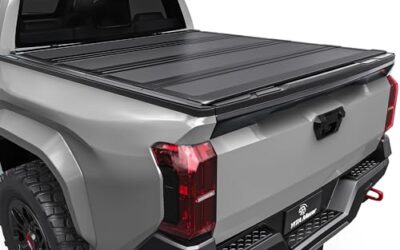
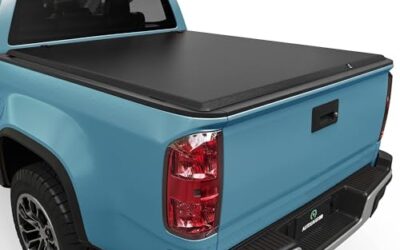
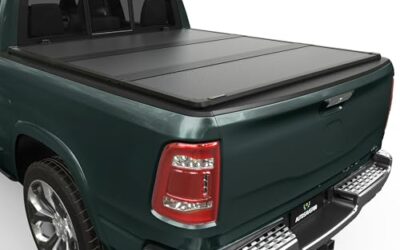
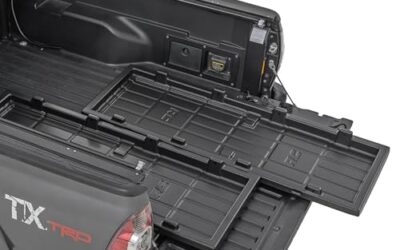
To inspect tonneau cover weather seals, clean and examine each seal, then check whether it contacts the truck bed evenly when the cover is closed. You will need good light, a soft cloth, and access to the cover’s installation instructions; seal shape and adjustment vary by cover and truck model.
- Inspect the full seal path, including front, sides, rear, corners, and joints.
- Look for dirt, tears, flattening, loose adhesive, and spots where the seal misses the bed.
- Use a controlled water check only after visual inspection, and keep water away from openings that could send it into the cab or electrical areas.
- A tonneau cover can limit water entry without making the bed fully waterproof.
What you need before checking the seals
Park on stable, level ground. Set the parking brake and follow the truck and cover instructions for opening, closing, or supporting the cover. Keep fingers clear of hinges, latches, and pinch points. Do not climb onto the cover or use it as a work surface unless its instructions allow that use.
Gather a flashlight, a clean soft cloth, and the cover manual. A helper can make it easier to check how the cover sits while someone else observes the seal, but keep hands away from moving parts. Avoid solvents, sharp tools, and household cleaners unless the cover maker approves them. Some cleaners can harm rubber, foam, coatings, or adhesive.
Check the truck’s model year and bed configuration against the cover instructions. Bed length, rail caps, bed liners, accessories, and installation choices can change how seals sit. A seal that looks wrong may reflect cover alignment or an incompatible setup rather than a failed seal.
How to inspect tonneau cover weather seals
- Identify each seal. Find the front seal near the cab, side seals along the bed rails, rear seal near the tailgate, and any corner or panel seals. Some covers use different materials or shapes in different locations. Use the cover manual to identify intended seal placement.
- Open the cover safely. Follow its instructions. Look for sections that have lifted, shifted, folded, or detached. On folding or retractable designs, inspect accessible sections without reaching into tracks or moving joints.
- Clean the contact surfaces. Wipe away dust and loose debris from the seal and the surface it meets. Use a soft cloth and a cleaner approved for the cover. Let the area dry before judging contact. Dirt can create a gap or make a sound seal look damaged.
- Check the seal’s condition. Look along its full length for splits, cuts, missing pieces, hard or brittle areas, permanent flattening, and peeling adhesive. Pay close attention to corners, joints, and spots that rub against the bed or tailgate.
- Close and latch the cover normally. Do not force a latch or press hard on a panel to make it close. Check whether the cover sits evenly and whether the seal touches its intended surface. A visible, continuous gap can point to poor alignment, a displaced seal, or a fit issue.
- Check contact with a soft paper strip, if suitable. Place a narrow strip between the seal and its contact surface, then close the cover as instructed. Gently pull the strip at several points. Similar resistance along a section suggests contact; a loose strip at one point may mark a gap. This is a rough check, not a calibrated test. Skip it where it could interfere with a latch or damage the seal.
- Compare both sides and nearby sections. A sudden change in seal compression or alignment can help locate a shifted cover, uneven rail, or local seal problem. Compare like sections only; front, side, and rear seals may have different shapes.
- Test for water entry only if needed. First remove cargo that could be damaged and check that drains or bed openings are in their normal condition. Have one person observe inside the bed while another applies a gentle flow of water outside. Do not use a pressure washer or direct water into seams, vents, or electrical areas. Stop if water approaches the cab or any area where it could cause damage.
What inspection signs mean
| What you find | Possible explanation | Next check |
|---|---|---|
| Dirt along seal contact area | Debris may prevent close contact. | Clean using approved methods, dry, then inspect again. |
| Seal lifted or shifted | Adhesive or placement may have changed. | Check the cover instructions before reseating or replacing it. |
| Crack, tear, or missing section | Seal material may no longer block that path. | Ask the cover maker or installer about the correct replacement. |
| Uneven contact along one side | Cover alignment, bed hardware, or seal placement may be involved. | Compare with the installation instructions and inspect mounting points. |
| Water appears despite intact seals | Water may enter at another seam, corner, tailgate, or bed opening. | Trace the entry point before replacing seals. |
These signs narrow the search; they do not prove one cause. Water can travel along a panel or bed rail before dripping, so the wet spot inside the bed may sit away from the entry point. A single wet cargo item also does not identify which seal failed.
How to tell a seal problem from a fit problem
A damaged or detached seal has a visible local defect, such as a split, missing piece, or lifted edge. A fit problem more often shows as a consistent gap, uneven cover position, or poor contact across a wider area. These clues can overlap. A shifted cover can damage a seal, and a replacement seal with the wrong profile can fail to contact the bed.
Check installation points, rail caps, bed liners, and added accessories against the cover instructions. Do not trim, stretch, or stack seal material to close a gap unless the instructions specifically allow it. Such changes can interfere with latches or create new leak paths.
Truck configuration matters. A cover that fits one bed length or model year may not fit another, even within the same truck line. For a broader look at fitment variables, see our guide to the GMC Sierra 1500 tonneau cover fitment. Cold conditions can also change how some materials feel or flex, so inspect seals under ordinary conditions and follow product instructions. Our freezing-weather tonneau cover guide covers related cold-weather considerations.
How often should you inspect tonneau seals?
Check seals during routine cover cleaning and after an event that could move or damage them, such as installing bed accessories, removing the cover, or noticing water in the bed. There is no single interval that fits every cover or climate. Follow the cover maker’s maintenance schedule where available.
Inspect sooner after a seal has been disturbed or after a leak appears. In areas with heavy dust, road salt, frequent rain, or large temperature changes, more frequent visual checks can help catch debris or damage early. Those conditions do not prove a seal has failed; they only make inspection more useful.
What to do after finding a problem
Remove loose debris and clean the seal with approved products. If the seal is displaced, use the cover instructions to determine whether it can be reseated. Do not add generic weather stripping, adhesive, or lubricant without checking material compatibility. An incorrect product can soften the seal, weaken adhesive, or affect cover operation.
For tears, missing sections, or lasting deformation, identify the cover make and model before ordering a replacement. Seal profiles and attachment methods can differ, including between covers that look similar. If the cover is under warranty, contact the maker or installer before modifying it. Keep photos of the damaged area and note where water appears, which can help them assess the issue.
Common mistakes
- Assuming the tailgate is sealed by the cover. Tailgate gaps and factory bed openings can allow water in even when tonneau seals look sound.
- Replacing every seal after one leak. Water can enter at a corner, mounting point, or accessory opening. Trace the path first.
- Using a pressure washer as a leak test. High-pressure water can force water past areas that resist normal rain and may damage materials.
- Using a random cleaner or adhesive. Materials and finishes vary. Follow the cover’s care guidance.
- Forcing the cover shut. A latch that will not close normally may signal misalignment or interference, not a need for more pressure.
- Expecting a fully waterproof bed. Many tonneau covers reduce water entry but do not make every truck bed watertight. Bed design and installation affect results.
When to get professional help
Contact the cover maker or a qualified installer if the cover will not latch normally, sits unevenly, has a damaged frame or mounting point, or still leaks after cleaning and basic inspection. Get help if you cannot identify the correct seal profile or replacement method. Avoid driving with an unsecured cover or loose parts; follow the cover and vehicle instructions for safe operation.
Professional assessment also makes sense when water reaches wiring, cargo that must stay dry, or the cab area. A technician can inspect the cover’s alignment and installation along with the seals. Replacing rubber alone will not correct a bed-rail or mounting problem.
Gear that can help
If you need tonneau covers for this job, these picks already appear in our tonneau covers guides. Check the full guide for fit and who should skip each one.

Pros
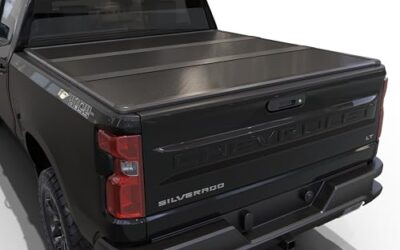
- Specified compatibility with 2015-2026 Ford F150 5.5-foot beds
- Tool-free, no-drill attachment and removal
- Hard-shell panels made from EnduraShield automotive-grade polymer
- Folding design provides bed access
Cons
- Compatibility is limited to the listed Ford F150 5.5-foot, 66-inch bed application
- Full bed access requires removing the cover
Specifications
| Size | 5.5ft Bed |
|---|---|
| Product Group | Automotive Parts and Accessories |
Best For / Avoid If
Best for buyers prioritizing
- Specified compatibility with 2015-2026 Ford F150 5.5-foot beds
- Tool-free, no-drill attachment and removal
- Hard-shell panels made from EnduraShield automotive-grade polymer
Consider another option if
- Compatibility is limited to the listed Ford F150 5.5-foot, 66-inch bed application
- Full bed access requires removing the cover

Pros
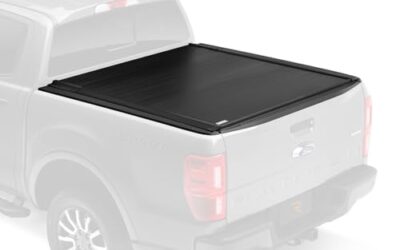
- Provides full bed access when rolled up
- Adjustable tension system is designed to keep the vinyl tight and wrinkle-free
- No-drill installation hardware is included
- Uses marine-grade vinyl with aluminum side rails and stainless steel clamps
Cons
- Not compatible with 2019 Silverado 1500 LD, Sierra 1500 Limited, CarbonPro beds, or factory side storage boxes
- Equipping the cover will interfere with the power tailgate
- Small holes must be cut in over-the-bedrail bedliners for proper clamp installation
Specifications
| Color | Black |
|---|---|
| Size | 5.9ft Bed |
| Dimensions | 72.56 x 68.82 x 1.3 inches |
| Weight | 21.61 pounds |
| Product Group | Automotive Parts and Accessories |
| Binding | Automotive |
Best For / Avoid If
Best for buyers prioritizing
- Provides full bed access when rolled up
- Adjustable tension system is designed to keep the vinyl tight and wrinkle-free
- No-drill installation hardware is included
Consider another option if
- Not compatible with 2019 Silverado 1500 LD, Sierra 1500 Limited, CarbonPro beds, or factory side storage boxes
- Equipping the cover will interfere with the power tailgate
- Small holes must be cut in over-the-bedrail bedliners for proper clamp installation

Pros
- Hard fiberglass construction
- No-drill clamp-on installation
- Includes six clamps, an extra weather strip, and a 60-month warranty
- Designed for a broad range of specified Silverado and Sierra 2500/3500 HD model years
Cons
- Not compatible with CarbonPro beds
- Fitment is limited to specified 6.9-foot standard-bed Silverado and Sierra 2500/3500 HD trucks
Specifications
| Color | Black |
|---|---|
| Size | 6.9ft for 20-26 2500 3500 |
| Product Group | Automotive Parts and Accessories |
Best For / Avoid If
Best for buyers prioritizing
- Hard fiberglass construction
- No-drill clamp-on installation
- Includes six clamps, an extra weather strip, and a 60-month warranty
Consider another option if
- Not compatible with CarbonPro beds
- Fitment is limited to specified 6.9-foot standard-bed Silverado and Sierra 2500/3500 HD trucks
FAQ
Can I inspect tonneau seals without removing the cover?
Usually, you can inspect visible seals with the cover installed. Some seal areas may be hidden by panels or tracks. Do not remove components unless the cover instructions describe that procedure.
Does a small amount of water mean the seal has failed?
Not always. Some covers reduce water entry but do not make the bed watertight. Find the entry path and check seals, corners, tailgate gaps, and bed openings before deciding what needs repair.
Can I use silicone spray on tonneau seals?
Only if the cover maker approves that product for the seal material. Cleaners and lubricants can affect rubber, foam, finishes, or adhesive.
Should I replace a flattened seal?
Replace it if it stays deformed, has damage, or no longer contacts its intended surface, and the cover instructions support replacement. First rule out cover misalignment or an incorrect installation.
Why does the bed get wet near a seal that looks intact?
Water can travel before it drips, and the entry point may be at a corner, tailgate, mounting point, or another seam. A careful, low-pressure water check can help trace the path.