How Does An Aftermarket Tpms Work
An aftermarket TPMS, or Tire Pressure Monitoring System, is a retrofit technology designed to monitor the air pressure in your vehicle’s tires. These systems help prevent dangerous underinflation, which can lead to blowouts, reduced fuel efficiency, and increased wear. By continuously checking tire pressure and alerting the driver, aftermarket TPMS systems provide an extra layer of safety and peace of mind.
Unlike factory-installed systems, aftermarket options offer flexibility and can be tailored to specific vehicle models. Understanding how they work is essential for anyone considering installation or troubleshooting issues.
Key Takeaways
- Aftermarket TPMS systems typically use wireless sensors to measure tire pressure in real-time.
- They transmit data via radio frequency to the vehicle’s receiver unit.
- Direct TPMS measures actual pressure, while indirect systems infer pressure from wheel speed data.
- Compatibility depends on vehicle model year, sensor frequency, and mounting type.
- Regular maintenance and proper installation are crucial for effective performance.
What is an Aftermarket TPMS?
TPMS stands for Tire Pressure Monitoring System. It is a safety feature that monitors the pressure inside each tire and warns the driver when pressure is too low. Aftermarket TPMS refers to systems that are added to vehicles after they have left the factory, as opposed to original equipment manufacturer (OEM) systems.
These systems are particularly useful for older vehicles that may not have had TPMS from the factory, or for modifications where OEM systems are not desired. They can be direct or indirect, each with its own advantages and limitations.
How Does an Aftermarket TPMS Work?
The core principle of an aftermarket TPMS is to ensure each tire maintains the recommended pressure level set by the manufacturer. Here’s a step-by-step breakdown:
- Sensor Installation: Sensors are installed on each wheel, either inside the tire on the valve stem or as a separate module. They are powered by a small battery and are designed to last 5-10 years.
- Pressure Measurement: In direct TPMS, the sensor uses a built-in pressure sensor to measure the actual air pressure in the tire. Some also measure temperature.
- Data Transmission: The sensor transmits this data wirelessly using radio frequency signals, typically at 433 MHz or 315 MHz, to the receiver mounted inside the vehicle.
- Signal Reception: The receiver collects data from all sensors and sends it to the vehicle’s electronic control unit (ECU) or a display module.
- Alert System: If pressure drops below a threshold, the system illuminates a warning light on the dashboard and may display specific tire pressure information.
For indirect TPMS, there are no sensors in the tires. Instead, the system uses the vehicle’s existing wheel speed sensors to detect changes in tire rotation speed, which can indicate pressure loss. This method is less accurate but simpler and cheaper.
Components of an Aftermarket TPMS
Sensors
Tire pressure sensors are the most critical part. They are usually battery-powered and mounted on the valve stem. Some are internal, replacing the existing valve core. Sensors must be compatible with the vehicle’s frequency and mounting location. Common issues include sensor failure due to battery depletion or physical damage.
Receiver Unit
The receiver is typically located near the dashboard or in the glove compartment. It receives signals from the sensors and processes them. In some systems, the receiver is integrated with the car’s computer.
Display and Interface
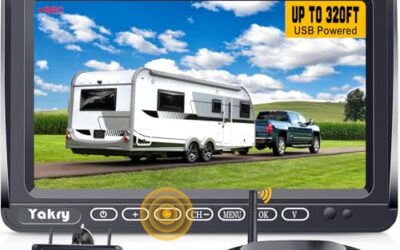
Many aftermarket systems include a digital display that shows individual tire pressures. Some connect to the vehicle’s existing dashboard display via programming. Advanced systems may offer smartphone apps for remote monitoring.
Installation Process
Installing an aftermarket TPMS involves several steps:
- Choose the right system based on your vehicle make, model, and year.
- Install sensors on each tire’s valve stem, ensuring a secure fit.
- Program the system if required, using a TPMS tool or the manufacturer’s software.
- Connect the receiver to the vehicle’s electrical system, usually tapping into the 12V power supply.
- Test the system by checking all sensors are detected and pressures are accurate.
Compatibility is key. Not all sensors work with all vehicles. Factors like model year, wheel size, and existing TPMS frequency (if any) must be considered. Some systems are universal, while others are vehicle-specific.
Direct vs Indirect TPMS
Aftermarket TPMS can be either direct or indirect. Here’s a comparison:
| Feature | Direct TPMS | Indirect TPMS |
|---|---|---|
| Measurement | Actual pressure via sensor | Inferred from wheel speed |
| Accuracy | High | Lower |
| Cost | Higher | Lower |
| Installation | Requires sensors | Uses existing sensors |
| Limitations | Sensor battery life | Less precise |
Direct systems are more common in aftermarket setups because they provide real-time, accurate data. They are ideal for vehicles where precise monitoring is needed.
Compatibility and Limitations
Aftermarket TPMS systems have specific compatibility limits. They must match the vehicle’s voltage (usually 12V), connector type (wireless), and frequency. Some vehicles have factory TPMS that may interfere, requiring a bypass or specific setup.
Regional differences may affect regulations and available systems. For example, some countries have mandatory TPMS standards. Always check for vehicle-specific requirements.
Limitations include the need for periodic sensor replacement, potential for false warnings, and the fact that TPMS does not replace proper tire maintenance.
Common Mistakes
- Assuming all aftermarket TPMS are plug-and-play without checking compatibility.
- Ignoring sensor battery life and not replacing them on schedule.
- Not understanding the difference between direct and indirect systems.
- Installing sensors without proper programming, leading to non-detection.
- Disregarding the TPMS warning light as a minor issue.
When to Get Professional Help
If you’re unsure about compatibility or installation, or if the system is not detecting sensors, consult a professional mechanic or tire specialist. They can diagnose issues, perform programming, and ensure proper installation. This is especially important if the vehicle is under warranty or has complex electronics.
FAQ
What is the primary function of an aftermarket TPMS?
The primary function is to monitor tire pressure and alert the driver to low pressure, enhancing vehicle safety.
How do I choose between direct and indirect TPMS?
Choose direct for accuracy and real-time data, indirect for simplicity and lower cost where precision isn’t critical.
Can aftermarket TPMS work with my vehicle’s existing system?
Yes, but compatibility must be verified. Some systems integrate with factory setups, while others replace or supplement them.
How often should TPMS sensors be replaced?
Typically every 5-10 years or when batteries expire, depending on usage and environmental factors.
Is programming required for aftermarket TPMS installation?
Many systems require programming to the vehicle’s ECU for proper detection and display of pressures.