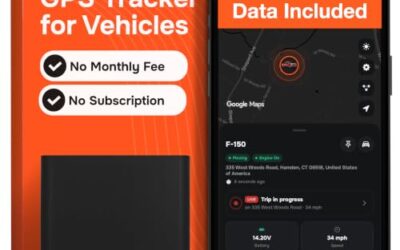
GPS Tracker With Subscription vs No Monthly Fee
A GPS tracker with subscription offers ongoing updates, alerts, and support, while one without monthly fees provides basic location tracking at a lower initial cost. The decision hinges on your tracking requirements, budget constraints, and how critical real-time access is to you. This article breaks down the key differences, helping you determine which option suits your vehicle tracking needs.
- Subscription models deliver real-time tracking and notifications.
- No-subscription trackers save money but restrict features and support.
- Evaluate compatibility with your vehicle’s electrical system.
- Consider long-term costs and data privacy.
- Review installation methods for ease of use.
What Are GPS Trackers?
GPS trackers are compact devices that use global positioning system technology to determine the exact location of a vehicle. They communicate with a smartphone app or web portal to share location data. These tools are widely used for security, fleet management, and parental oversight.
How they work involves a GPS module that receives signals from satellites to calculate position. Some models add cellular connectivity for data transmission. Without a subscription, the device relies on local storage, limiting its utility for constant monitoring.
GPS Trackers That Require a Subscription
Subscription-based GPS trackers typically charge a monthly fee for cellular service that keeps the device connected to the internet. This allows for real-time location updates, push notifications for events like unauthorized movement, and access to detailed trip histories. Support is usually included, with regular firmware updates to fix bugs and add features.
These trackers are compatible with a wide range of vehicles, including cars, trucks, and RVs. Installation often uses an OBD-II port in newer models or a hardwire kit in older ones. The voltage requirement is typically 12 volts, but some support 24 volts for heavy-duty applications. Users must ensure their phone’s operating system, whether iOS or Android, supports the app.
One advantage is the ability to set up geofences, which trigger alerts when the vehicle enters or exits a defined area. Data is stored in the cloud, allowing access from any device with internet. However, the ongoing cost can add up if tracking is not constant.
GPS Trackers Without Monthly Fees
No-subscription GPS trackers focus on core GPS functionality without the need for a data plan. They log location data to an internal memory card or use Bluetooth to sync with a phone when nearby. This makes them cost-effective for users who only check location occasionally.
While they avoid monthly fees, limitations include no real-time alerts and potential data loss if the device is powered off or removed. Battery life is generally shorter because there’s no cellular keep-alive signal. Compatibility is more limited, often requiring specific vehicle models or aftermarket adapters for power and data connection.
These are ideal for basic tracking where you don’t need instant notifications. Some models include a one-time fee for premium features like extended storage, but the core is fee-free.
Key Differences Between Subscription and No Subscription GPS Trackers
The practical difference is clear: subscription trackers provide a connected service with advanced features, while no-subscription ones are standalone devices with basic capabilities. Subscription models justify the fee through convenience and reliability, especially for frequent tracking.
| Aspect | With Subscription | Without Subscription |
|---|---|---|
| Real-time Tracking | Available | Not available |
| Alerts and Notifications | Yes | No |
| Data History | Cloud-based | Local storage |
| Support | Included | Limited or none |
| Cost Structure | Monthly fee | One-time purchase |
| Battery Efficiency | Improved with subscription | Standard |
| Installation | Plug and play options | DIY required |
| Compatibility | Most vehicles | Vehicle-specific |
Factors to Consider When Choosing a GPS Tracker
Budget plays a significant role. If you track your vehicle daily, a subscription may be necessary for its features. For sporadic use, a no-subscription tracker could be sufficient and save money over time.
Installation is another key factor. Subscription models often include easy installation guides, while no-sub ones may require technical knowledge. Vehicle model year matters; newer cars have OBD-II ports, older ones need hardwiring.
Privacy and legality are important. In the United States, installing a GPS tracker on a family member’s vehicle without consent can lead to legal issues. Always check regional laws and obtain proper permissions.
Signal reception is limited by environmental factors. GPS needs an unobstructed view of the sky, so dense tree cover or buildings can reduce accuracy. Battery replacement intervals should be considered, as they vary between models.
Common Mistakes When Selecting a GPS Tracker
A frequent mistake is not researching the specific compatibility with your vehicle. Assuming a universal fit can lead to poor performance or installation failures.
Another error is expecting no-subscription trackers to perform like subscription ones. Many users are surprised by the lack of real-time features and customer support.
Ignoring the need for regular maintenance, such as battery checks or software updates, is also common. For subscription models, failing to pay the fee on time can disable features.
When to Get Professional Help
If you are not comfortable with DIY installation, especially for complex vehicles, seek professional assistance. This ensures the tracker is properly integrated without damaging the vehicle’s systems.
For questions about legal compliance or privacy regulations, consult an attorney. Professional help is also advisable if you need custom configurations for multiple vehicles or integration with other security systems.
FAQ
What is the main difference between a GPS tracker with subscription and one without?
A GPS tracker with subscription provides real-time tracking, alerts, and cloud data storage, while one without focuses on basic GPS logging without ongoing fees or advanced features.
How much does a subscription typically cost?
Subscriptions for GPS trackers usually cost between $9.99 and $19.99 per month, but this can vary based on the provider and included services.
Can I use a no-subscription GPS tracker indefinitely?
Yes, you can use it indefinitely as long as you replace the battery when needed and manage the storage space on the device.
Are there any legal considerations for vehicle GPS trackers?
Yes, you must ensure you have consent to install the tracker, especially on someone else’s vehicle, to comply with privacy laws in your area.
How do I choose between the two options for my needs?
Choose based on whether you need real-time access and support. If yes, go with subscription; if basic tracking is enough, opt for no subscription to save on costs.