In most cases you can keep driving with a pending OBD2 code, because a pending code means your vehicle’s computer has detected a possible fault once but has not confirmed it across enough drive cycles to turn on the check engine light. The key exception is when the code appears alongside real symptoms such as misfiring, overheating, loss of power, or a flashing check engine light. Treat a pending code as an early warning to investigate soon, not as permission to ignore the problem indefinitely.
Key takeaways
- A pending code is a not-yet-confirmed fault stored after a single failed monitor, so it usually does not trigger the malfunction indicator lamp (MIL).
- Short-term driving is generally reasonable if the car runs normally and no warning light is lit.
- Stop driving if you notice a flashing check engine light, misfire, overheating, hard shifting, or fluid leaks.
- A pending code can clear itself if the next drive cycles pass, or escalate to a confirmed code and illuminate the check engine light.
- Reading the specific code with a scanner tells you far more than the pending status alone.
What a pending OBD2 code actually is
On OBD2 vehicles (most gasoline cars sold in the US from 1996 onward, and diesels from roughly 2004 onward), the powertrain control module runs continuous and periodic self-tests called monitors. When a monitor detects a reading outside its expected range, the computer does not immediately alarm the driver. Instead, it stores the result as a pending diagnostic trouble code and waits to see whether the same fault repeats.
If the fault reappears on the next qualifying drive cycle, the code is promoted to a confirmed (also called stored or current) code and the check engine light turns on. If the fault does not reappear, the pending code is typically erased after a set number of successful cycles. This two-strike approach exists to avoid warning drivers over one-time glitches, such as a brief sensor hiccup or a loose gas cap that was retightened.
Pending vs confirmed vs permanent codes
| Code type | What it means | Check engine light? |
|---|---|---|
| Pending | Fault seen once, not yet verified | Usually off |
| Confirmed / stored | Fault verified across drive cycles | On (steady in most cases) |
| Permanent (PDTC) | Confirmed code the computer will not let you erase manually until it re-verifies a repair | May be on or off depending on status |
Permanent codes matter for emissions testing because they cannot be cleared with a scan tool the way pending and stored codes can. The vehicle itself must confirm the repair before removing them.
Is it safe to drive with a pending code?
Safety depends far more on the underlying fault than on the pending label. A pending code for an evaporative emissions leak (for example, a small vapor leak often related to the gas cap or purge system) has no effect on how the car drives and poses no immediate safety concern. A pending code related to a misfire, on the other hand, can indicate a condition that damages the catalytic converter if it worsens.
Use the behavior of the car as your primary guide:
- Car drives normally, no warning light: Short-term driving is generally reasonable. Scan the code and plan an inspection.
- Steady check engine light appears: The fault is now confirmed. Continue only if the car drives normally, and get it diagnosed soon.
- Flashing check engine light: This signals an active, severe misfire. Reduce speed and stop driving as soon as it is safe. Continued driving risks converter damage.
- Symptoms present (overheating, power loss, smoke, leaks, warning chimes): Do not keep driving. Address the mechanical issue first.
Quick decision checklist
- Is the check engine light flashing? If yes, stop as soon as safe.
- Are there noticeable symptoms (rough idle, hesitation, overheating, noises)? If yes, avoid driving until inspected.
- Do you have a scanner to read the exact code? Read it before deciding anything.
- Is the code emissions-related with no drivability effect? Short-term driving is usually fine while you plan a fix.
- Is the code powertrain-related (fuel, ignition, transmission)? Investigate promptly, even without symptoms.
How to read a pending code
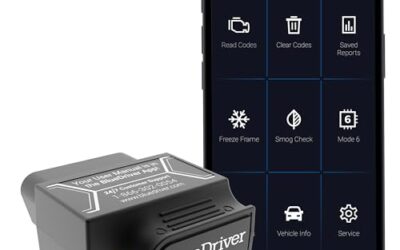
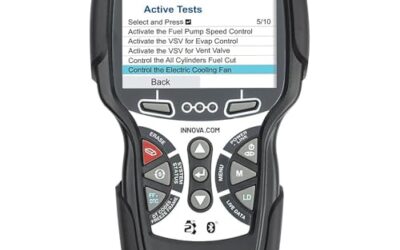
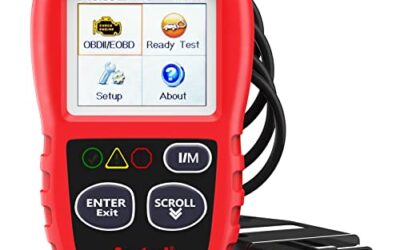
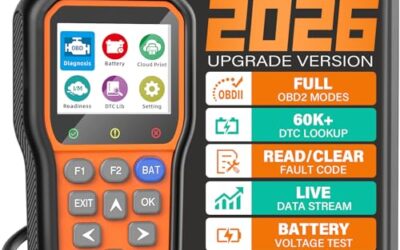
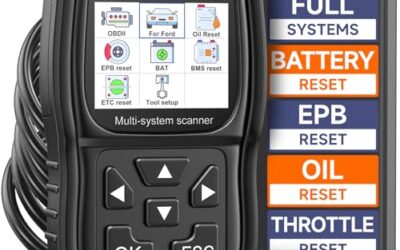
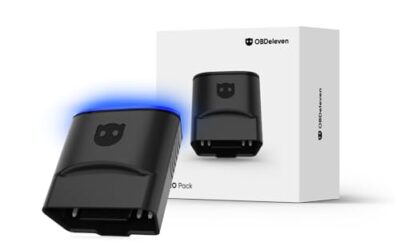
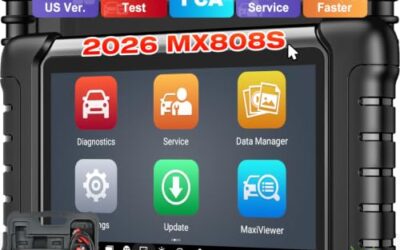
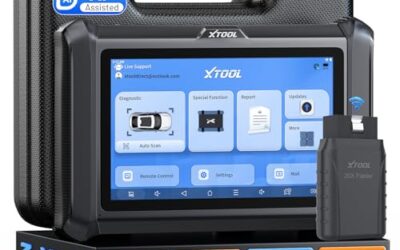
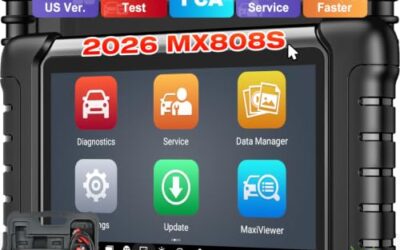
You will need a basic OBD2 scanner or a Bluetooth or Wi-Fi adapter paired with a compatible app. The 16-pin OBD2 port is standard on US vehicles from 1996 onward and is usually under the dash near the steering column. Compatibility notes worth checking before you buy or rely on a tool:
- Protocol support: Most 2008-and-newer US vehicles use CAN bus. Older tools may not read pre-CAN vehicles, and very cheap adapters sometimes struggle with specific makes.
- Pending code capability: Confirm the tool reads Mode 07 (pending codes), not just Mode 03 (confirmed codes). Not every entry-level reader shows pending data.
- Phone OS: Some inexpensive adapters work only with Android apps, others only with iOS, and a few require a specific paid app. Verify before assuming compatibility.
- Manufacturer-specific codes: Generic tools read standardized P0/P2 codes reliably but may miss enhanced manufacturer codes.
Once connected, look up the exact code (for example P0301 rather than just “pending”). The specific code, plus any freeze-frame data the tool captures, is what actually guides your decision.
Should you clear a pending code?
Clearing a code does not repair the fault. It only erases the stored record, and if the underlying problem still exists the code will return. There are a few legitimate reasons to clear a code, such as confirming whether a repair worked or resetting after replacing a part, but clearing simply to make a light go away hides information you may need.
Erasing a code before an emissions test can backfire. Clearing codes resets the readiness monitors, and a vehicle with incomplete monitors can fail the test for that reason alone.
If a pending code is caused by a genuine one-time event, the vehicle will usually clear it on its own after several successful drive cycles without any tool.
Common mistakes
- Assuming pending means harmless. The label describes verification status, not severity. Read the actual code.
- Ignoring a flashing light because “it’s only pending.” A flashing MIL indicates an active severe misfire regardless of code status.
- Clearing the code and calling it fixed. Clearing does not touch the mechanical or electrical cause.
- Buying a scanner that only reads confirmed codes. If you specifically want pending data, verify Mode 07 support.
- Skipping the gas cap check. Many pending evaporative codes trace back to a loose or worn cap, an easy first thing to rule out.
When to get professional help
Bring the vehicle to a qualified technician when any of the following apply:
- The code keeps returning after you address the obvious causes.
- The pending code involves the transmission, airbags, ABS, or anything affecting braking or steering.
- You see a flashing check engine light or the car runs poorly.
- Multiple codes appear together, which can point to a shared root cause like a wiring or ground issue.
- You need to pass an emissions test and the readiness monitors will not complete.
A professional can perform manufacturer-specific diagnostics, live data analysis, and component testing that generic readers cannot match.
Frequently asked questions
How long can I drive with a pending code?
There is no fixed limit. If the car drives normally and no light is lit, short-term driving while you plan an inspection is generally reasonable. The sooner you identify the specific code, the better your decision will be.
Will a pending code cause a check engine light?
Not on its own. A pending code becomes a confirmed code and triggers the light only if the fault repeats on the next qualifying drive cycle. If it does not repeat, the vehicle usually clears it automatically.
Can a pending code make me fail an emissions test?
Pending codes themselves typically are not a fail reason, but the incomplete readiness monitors associated with them can be. A permanent code, by contrast, will cause a failure until the vehicle verifies the repair.
Does clearing a pending code fix anything?
No. Clearing only erases the record. If the fault is real it will come back, and clearing also resets readiness monitors, which can complicate emissions testing.
Why did my pending code disappear by itself?
If the fault did not recur over several successful drive cycles, the computer treated it as a one-time event and erased the pending entry. That is the system working as intended.