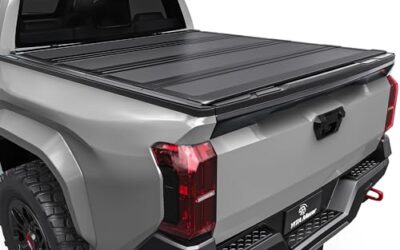
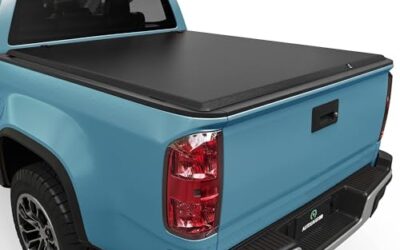
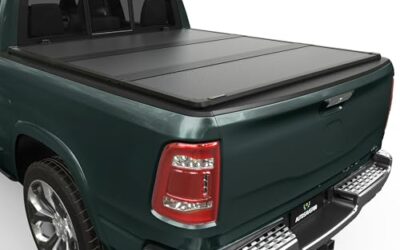
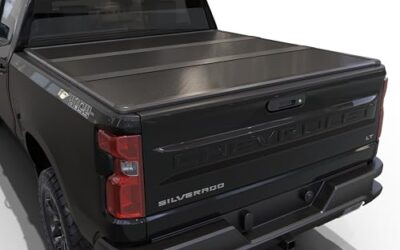
Adjusting tonneau cover tension is essential for keeping your truck bed cover securely closed without causing damage or excessive noise. Tonneau covers, which are retractable or rigid covers for truck beds, rely on springs or gas struts to maintain tension. Proper adjustment prevents sagging, ensures even closure, and protects the truck from weather and theft.
This article will explain the importance of tonneau cover tension, provide detailed steps for adjustment, and offer troubleshooting advice. Whether you are a DIY enthusiast or need to maintain your vehicle's accessories, understanding how to adjust tonneau cover tension will help you enjoy a better driving experience.
- Understand the role of springs in tonneau covers
- Identify adjustment points on your specific truck model
- Follow safe adjustment procedures to avoid injury
- Recognize signs of improper tension
What is Tonneau Cover Tension?
Tonneau cover tension refers to the force exerted by the springs or mechanisms within a tonneau cover to keep it taut and closed. This tension is crucial for maintaining the cover's position, especially when driving at higher speeds where wind resistance can affect it.
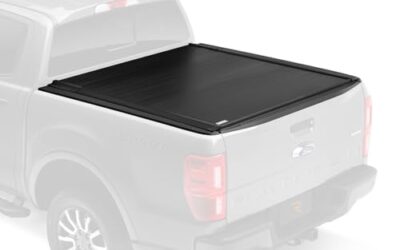
In truck bed accessories, tonneau covers come in various types like soft roll-up covers, hard retractable covers, and tonneau trucks beds. The tension adjustment allows customization based on the vehicle's weight, the cover material, and environmental factors.
Why is Adjusting Tonneau Cover Tension Important?
Improper tension can lead to several issues. Too loose, and the cover may flap in the wind or come loose. Too tight, and it can strain the hinges or damage the truck bed. Proper tension ensures the cover stays in place, reduces noise, and extends the life of the cover and truck.
Additionally, for safety, a secure tonneau cover helps prevent items from falling out of the bed and reduces the risk of theft.
Tools Required for Adjusting Tonneau Cover Tension
To adjust tonneau cover tension, you will typically need:
- Allen wrenches or hex keys of various sizes
- Screwdrivers
- Socket set
- Optional: lubricant for smooth operation
Always refer to your vehicle's manual for specific tools, as some models have unique adjustment mechanisms.
Step-by-Step Guide to Adjusting Tonneau Cover Tension
Step 1: Prepare Your Workspace
Choose a flat, level surface to work on. Ensure the truck is parked on a stable surface and the engine is off. This preparation helps prevent accidents and ensures accurate adjustments.
Step 2: Locate the Tension Adjustment Screws
Inspect the underside or sides of the tonneau cover for adjustment screws. These are often located near the hinges or at the front and rear of the cover. For many truck models, adjustment points are accessible from the inside of the bed or from the tailgate area. Familiarize yourself with the location to avoid unnecessary disassembly.
Step 3: Loosen the Tension Screws
Use the appropriate tool to loosen the screws slightly. This allows the springs to adjust the tension. Do not remove the screws completely unless instructed, as they may be set screws. Loosening allows you to fine-tune the tension without losing the adjustment entirely.
Step 4: Adjust the Tension
Turn the screws clockwise to increase tension or counterclockwise to decrease it. Aim for a balanced tension where the cover closes smoothly without sagging or being too tight. Test the cover after each adjustment by gently lifting it to check for evenness. This step requires patience to achieve the perfect balance.
Step 5: Tighten and Secure
Once adjusted, tighten the screws securely but do not overtighten to avoid damaging the threads or cover. Secure the screws to prevent them from backing out during use.
Step 6: Final Test
Close the cover and test drive or check for noise and movement. Repeat adjustments if necessary. Note that some covers have gas struts that may require specific procedures. Always check compatibility with your vehicle year and model.
Understanding Tonneau Cover Types and Their Tension Systems
There are several types of tonneau covers: soft vinyl covers, hard aluminum or composite covers, and retractable systems. Each has different tension mechanisms. Soft covers often use bungee cords or straps for tension, while hard covers use springs or gas struts. Adjusting tension on soft covers may involve tightening straps, while hard covers require screw adjustments.
For example, in retractable hard covers, the tension is often adjusted via screws on the side rails. Always ensure compatibility with your truck's bed dimensions and cover model. Different types have unique adjustment methods that must be followed to achieve proper tension.
Environmental Factors Affecting Tonneau Cover Tension
Temperature changes can affect the tension in springs and gas struts. In cold weather, tension may decrease, causing the cover to loosen. Conversely, heat can increase tension. Adjusting tension seasonally can help maintain performance. Extreme temperatures can also affect the materials of the cover itself.
Wind speed and direction also play a role, especially at highway speeds. Proper tension helps minimize wind noise and drag. High winds can cause the cover to move more, requiring adjustments to counteract this effect.
Maintenance Tips for Tonneau Covers
Regular cleaning of the cover and hinges prevents debris from interfering with tension. Use mild soap and water to clean, avoiding harsh chemicals that could damage the materials. Lubricate moving parts with appropriate automotive grease to ensure smooth operation. This lubrication reduces friction and extends the life of the tension mechanisms.
Inspect for wear on seals and gaskets, as they can affect how the cover sits and thus tension requirements. Worn seals can lead to air leaks or improper closure, impacting tension effectiveness.
Common Mistakes When Adjusting Tonneau Cover Tension
One common mistake is over-tightening the screws, which can lead to cover damage or hinge failure. Another is not adjusting both sides equally, resulting in uneven tension. Always adjust both sides to the same setting for balanced operation.
Some owners forget to account for the weight of the cover itself or changes due to temperature variations, which can affect tension. Ignoring these factors can lead to suboptimal adjustments. Additionally, using the wrong size tool can strip the screws, making adjustment difficult and potentially damaging the cover.
Signs That Your Tonneau Cover Needs Tension Adjustment
Listen for rattling or flapping sounds while driving. Check if the cover sags in the middle or doesn't close fully. Look for gaps at the edges or signs of wear on the hinges. These signs indicate that the tension may need adjustment to restore proper function.
Other signs include increased wind noise or the cover not staying closed during high-speed travel. Addressing these issues promptly can prevent further damage or safety concerns.
When to Seek Professional Help
If you are not comfortable with mechanical adjustments or if the cover has electronic components, consider consulting a professional automotive technician. This is especially important for vehicles with complex tonneau systems or those under warranty. Professional help ensures that adjustments are done correctly and safely, preventing potential damage to your vehicle.
Additionally, if you notice any unusual noises, resistance, or if the adjustment does not resolve the issue, professional evaluation is recommended. They can diagnose underlying problems that may not be apparent to the DIY mechanic.
Checklist for Adjusting Tonneau Cover Tension
Before starting, gather all necessary tools and ensure you have a clear workspace. Follow these steps in order:
- Park the truck safely and turn off the engine.
- Inspect the cover for any damage or wear.
- Locate and access the tension adjustment points.
- Loosen the screws to allow adjustment.
- Adjust the tension evenly on both sides.
- Tighten the screws securely.
- Test the cover for smooth operation and even closure.
- Check for any noise or movement.
This checklist helps ensure a thorough and safe adjustment process.
| Step | Action | Check |
|---|---|---|
| 1 | Locate Adjustment Points | Visible screws |
| 2 | Loosen Tension | Feel the resistance |
| 3 | Adjust Tension | Smooth closure |
| 4 | Tighten Screws | No stripping |
FAQ
How often should I adjust my tonneau cover tension?
It is recommended to check and adjust tonneau cover tension at least once a year or after significant weather changes. Regular maintenance helps keep your cover in optimal condition. Seasonal adjustments account for temperature and environmental variations that affect tension.
Can I adjust tonneau cover tension myself?
Yes, most tonneau covers can be adjusted by the owner using basic tools. However, if your truck has specific features or if you are unsure, professional assistance is advised. DIY adjustments can save time and money but require care.
What tools do I need to adjust tonneau cover tension?
Typically, Allen wrenches, screwdrivers, and sockets are sufficient. Refer to your owner's manual for exact requirements. Having the right tools prevents damage and ensures precise adjustments.
Does tonneau cover tension vary by truck model?
Yes, tension settings can differ based on the truck brand, model year, and cover type. Always consult your specific vehicle's documentation for accurate adjustments. Model-specific factors like bed size and weight distribution play a role.
What if my tonneau cover doesn't have adjustment screws?
Some covers have fixed tension or use different mechanisms like gas struts. In such cases, replacement or professional repair may be necessary. Understanding your cover type is key to determining the best approach.