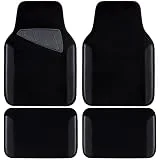

Are Rubber Floor Mats Safe For All Vehicles
Rubber floor mats are generally safe for most vehicles when properly selected and installed. They provide excellent protection against dirt, moisture, and wear while maintaining the functionality of the vehicle’s interior controls. However, safety depends on factors like fitment, material quality, and vehicle design. Always ensure that mats do not obstruct pedals, shift levers, or airbags.
Key takeaways:
- Rubber mats are durable and waterproof.
- Ensure they do not block pedals or airbags.
- Check for vehicle-specific fitment.
- Consider the vehicle’s safety features.
What Are Rubber Floor Mats?
Rubber floor mats are protective coverings made primarily from rubber or PVC materials designed to fit inside a vehicle’s floor. They are popular for their ability to shield the carpet or factory flooring from spills, dirt, and daily wear. These mats come in various designs, including full coverage, partial, and custom-fit options, and are available for a wide range of vehicles.
The primary material used in rubber floor mats is often a blend of PVC and rubber compounds that provide a balance of flexibility, durability, and resistance to environmental factors. This combination allows the mats to withstand temperature changes, UV exposure, and chemical exposure from cleaning agents without degrading quickly.
How Do They Work?
Rubber floor mats work by creating a physical barrier between the vehicle’s interior and external contaminants. The rubber compound is typically textured for grip, which helps prevent the mat from sliding during driving. This design ensures that the mat stays in place, reducing the risk of accidents caused by loose mats.
Are Rubber Floor Mats Safe?
Yes, rubber floor mats are safe for the majority of vehicles when chosen correctly. They do not interfere with electronic systems in most cases because rubber is a non-conductive material. However, safety is not guaranteed if the mat is the wrong size or if it blocks critical controls. Always verify compatibility with your specific vehicle model and year.
In modern vehicles equipped with advanced driver assistance systems, the floor area is often sensor-equipped for features like adaptive cruise control or lane keeping. Rubber mats must be selected to avoid covering these sensors, which could lead to system malfunctions. Always consult the vehicle owner’s manual for any specific warnings regarding floor coverings.
Safety Considerations for Different Vehicle Types
In passenger cars and crossovers, rubber mats are usually safe and provide good protection. In trucks and SUVs, fitment can vary depending on the model, especially in extended cab or crew cab configurations. Electric vehicles generally accept rubber mats well, but some models have floor-mounted sensors or components that require careful mat selection to avoid interference.
For vehicles with high ground clearance like off-road models, rubber mats can help prevent debris from entering the undercarriage, but they must be properly secured to prevent them from shifting and potentially damaging the exhaust or suspension components.
Benefits of Rubber Floor Mats
Rubber floor mats offer several advantages. They are highly durable, resistant to fading, and easy to clean with a damp cloth or hose. They also help maintain the resale value of the vehicle by protecting the original flooring. In terms of safety, well-designed mats do not obstruct the driver’s view or the operation of the vehicle controls.
Additionally, rubber mats can reduce interior noise by providing a barrier against road vibrations and tire noise. This can contribute to a quieter and more comfortable driving experience, which is important for driver focus and safety.
Potential Risks and Limitations
While generally safe, there are limitations. Cheap rubber mats may not fit properly, leading to movement during driving, which can be dangerous. In some vehicles with low ground clearance, mats might trap water or debris, potentially affecting the exhaust system or underbody. Additionally, in vehicles with all-wheel drive or specific pedal designs, ensure the mat does not interfere with the brake or accelerator.
In some cases, if the mat is not secured, it can become a tripping hazard or cause the vehicle to lose control if it shifts under the pedals. This is particularly relevant in vehicles with manual transmissions where pedal height is critical.
How to Choose Safe Rubber Floor Mats
When selecting rubber floor mats, look for those specifically designed for your vehicle make, model, and year. Check reviews for fitment accuracy and consider the material thickness for durability. Ensure the mat has a raised edge to contain liquids and a textured surface for grip. Always test the fit before driving to confirm no obstruction of pedals or controls.
Consider the climate of your area when choosing the mat. In hot climates, thicker rubber may be preferable to prevent warping, while in cold areas, ensure the material does not become brittle.
Common Mistakes
One common mistake is assuming all rubber mats are interchangeable across vehicle models. Another is not securing the mats properly, which can lead to them shifting. Some drivers use non-vehicle-specific mats, which can be unsafe. Avoid mats that are too thick, as they might affect the clutch or brake pedal height in manual transmission vehicles.
Another mistake is ignoring the vehicle year. Older vehicles may have different floor designs that require specific mat shapes to fit correctly without gaps or overlaps that could cause issues.
When to Get Professional Help
If you are unsure about the fitment of rubber floor mats for your vehicle, it is best to consult a professional installer or the vehicle’s manufacturer. This is especially important for vehicles with complex interiors or aftermarket modifications. Professionals can ensure the mats are installed correctly without compromising safety features.
Professional installation can also include adding non-slip backing or using adhesive strips to keep the mat in place, which is essential for safety in vehicles that experience frequent stops and starts.
Comparison of Floor Mat Types
| Mat Type | Material | Safety Considerations | Best For |
|---|---|---|---|
| Rubber | PVC or Rubber | High if properly fitted | Daily protection, easy clean |
| Carpet | Fabric | Lower if loose | Comfort, aesthetics |
| All-Weather | Plastic or Rubber | High | Harsh weather conditions |
Vehicle Model-Year Compatibility
Rubber floor mats are available for virtually all vehicles from the 1980s onward, but the best fit is for models from the 1990s and later. Older vehicles may require custom cutting or universal mats. Always check the manufacturer’s website or a reliable auto parts retailer for exact fitment guides for your specific year, make, and model.
Compatibility can also be affected by modifications to the vehicle, such as aftermarket seats or steering wheels, which may change the floor layout and require adjusted mat designs.
Installation Tips for Maximum Safety
- Clean the floor thoroughly to remove any dirt or debris that could affect the mat’s adhesion.
- Place the mat in the correct position and test for any movement at a low speed.
- Secure the mat using non-slip pads or adhesive if recommended by the manufacturer.
- Check that all pedals and controls are fully accessible and not obstructed.
- Drive the vehicle and recheck the mat after a short distance to ensure it remains in place.
FAQ
Are rubber floor mats safe for all vehicles?
No, not for literally all vehicles, but they are safe for most when the correct ones are chosen and installed properly. Always check compatibility with your vehicle’s model year and design.
Do rubber floor mats affect vehicle safety systems?
Generally, they do not, as rubber is non-conductive and does not interfere with electronics. However, ensure they do not block any floor-mounted sensors or controls.
Can rubber floor mats be used in electric vehicles?
Yes, rubber floor mats are commonly used in electric vehicles. Ensure the mat does not interfere with any underfloor components or sensors specific to EV models.
What should I look for when buying rubber floor mats?
Look for mats designed specifically for your vehicle, with good reviews for fitment, and features like textured surfaces for grip and raised edges for liquid containment.
How do rubber floor mats compare to other types?
Rubber mats are more durable and easier to clean than carpet but may not offer the same plush feel. They are better suited for harsh conditions compared to fabric mats.