Direct vs Indirect TPMS: Understanding the Differences
Direct TPMS and indirect TPMS represent two distinct methodologies for implementing tire pressure monitoring systems in automobiles. Direct TPMS involves installing individual sensors within each tire that directly measure the internal air pressure and transmit this information wirelessly to the vehicle’s onboard computer. In contrast, indirect TPMS leverages the vehicle’s existing wheel speed sensors to calculate tire pressure by analyzing differences in wheel rotation rates. This fundamental difference affects accuracy, cost, installation complexity, and the types of alerts each system can provide.
Both systems play a vital role in enhancing vehicle safety and efficiency, but choosing between them depends on the specific vehicle, budget, and desired level of precision. Direct systems offer better real-time data but at a higher price point, while indirect systems are simpler and more economical yet less informative. This article delves into the technical aspects, practical implications, and decision-making factors for each approach.
Key Takeaways
- Direct TPMS measures pressure directly using sensors in the tires for superior accuracy.
- Indirect TPMS infers pressure from wheel speed sensor data without additional tire hardware.
- Direct TPMS is ideal for vehicles requiring high precision and slow leak detection.
- Indirect TPMS is prevalent in budget models and older vehicles due to lower costs.
- Many contemporary vehicles feature direct TPMS as standard, while some retain indirect systems.
- Upgrading or adding direct TPMS to indirect-equipped vehicles is possible but may involve reprogramming.
- Compatibility is influenced by model year, manufacturer preferences, and regional regulations.
What is a Tire Pressure Monitoring System (TPMS)?
A TPMS is an electronic system designed to monitor the air pressure within a vehicle’s tires and provide warnings to the driver when pressure falls below a safe level. Low tire pressure can result from gradual leaks, temperature changes, or improper inflation, leading to decreased fuel economy, increased tire wear, and higher risk of blowouts or hydroplaning.
The technology became mandatory for all new passenger vehicles in the United States starting in September 2008, following investigations into tire-related accidents. TPMS helps mitigate these risks by alerting drivers early. There are two primary implementations: direct and indirect, each with unique characteristics that influence their application in different vehicle types and price points.
How Does Direct TPMS Work?
Direct TPMS systems incorporate a sensor module for each tire. Each sensor contains a pressure transducer that measures the absolute pressure inside the tire. Additional components may include a temperature sensor to account for pressure changes due to heat and a motion sensor to confirm the wheel is rotating.
These sensors are typically mounted on the valve stem or integrated into the wheel assembly. They are powered by a replaceable or long-life battery and communicate data to the vehicle’s receiver using radio frequency signals. In the United States, common frequencies are 315 MHz or 433 MHz, depending on the manufacturer and regulatory approvals.
The receiver unit, usually located in the instrument panel or trunk, collects data from all four sensors and processes it. If pressure drops below a threshold, typically 25 percent of the recommended cold inflation pressure, the system illuminates a warning light on the dashboard and may display specific tire pressure information. Some advanced direct TPMS systems can even notify drivers via a connected smartphone application if the vehicle supports telematics.
One of the primary benefits of direct TPMS is its ability to detect slow pressure losses, which is critical for preventing unexpected tire failures. Because it measures pressure directly, it provides precise readings that can be trended over time for maintenance scheduling.
How Does Indirect TPMS Work?
Indirect TPMS systems do not use dedicated sensors in the tires. Instead, they utilize the wheel speed sensors that are already part of the anti-lock braking system (ABS) and electronic stability control (ESC) setups. These sensors, often magnetic or Hall effect types, measure the rotational speed of each wheel.
The TPMS module calculates tire pressure by comparing the rotational speeds. For example, if the left front wheel rotates faster than the right front wheel while driving at a constant speed, it may indicate that the left tire is underinflated, causing it to spin faster to cover the same distance. The system applies algorithms to estimate pressure based on these speed differentials.
Alerts are triggered when the estimated pressure falls below a preset limit, usually around 25 psi for passenger vehicles. While this method is simpler and does not require additional components, its accuracy is limited because it cannot measure absolute pressure and is susceptible to errors from factors such as uneven tire wear, vehicle load variations, or sensor malfunctions in the ABS system.
Indirect TPMS is less effective at detecting gradual leaks and may produce false positives or negatives under certain driving conditions. It is commonly found in vehicles from manufacturers who opted for a cost-saving approach before the mandate or in entry-level models.
Direct vs Indirect TPMS: A Side-by-Side Comparison
The following table summarizes the key differences between direct and indirect TPMS systems:
| Feature | Direct TPMS | Indirect TPMS |
|---|---|---|
| Pressure Measurement | Direct, absolute pressure via sensors | Indirect, estimated from wheel speeds |
| Accuracy | High, real-time precise readings | Moderate, based on speed calculations |
| Cost | Higher, due to per-tire sensors and batteries | Lower, utilizes existing ABS sensors |
| Installation Complexity | Moderate to high, requires sensor mounting and programming | Low, no new hardware |
| Slow Leak Detection | Excellent | Poor |
| Additional Capabilities | Temperature monitoring, potential app integration | Basic pressure alerts only |
| Vehicle Suitability | Preferred for performance and safety-focused vehicles | Common in standard and economy vehicles |
| Maintenance | Sensor battery replacement every 5-10 years | No additional maintenance |
This comparison highlights why direct TPMS has gained popularity in newer vehicles despite the added expense. The trade-offs between accuracy and cost are significant considerations for manufacturers and consumers alike.
Advantages and Disadvantages of Each System
Advantages of Direct TPMS
Direct TPMS excels in providing accurate and immediate pressure data for all four tires independently. This granularity allows for targeted maintenance and early intervention for issues like slow punctures from road debris. Furthermore, it can integrate with advanced driver assistance systems (ADAS) for enhanced vehicle monitoring. The technology supports better overall tire management, potentially extending tire life and improving fuel efficiency by maintaining optimal pressures.
Disadvantages of Direct TPMS
The primary disadvantage is the increased cost associated with individual sensors, each requiring its own battery and transmission hardware. Over the vehicle’s lifespan, this can add up, especially if sensors need replacement. Installation on certain vehicle designs may be challenging due to space constraints or the need for custom mounting solutions. Additionally, the wireless signals must be strong enough to reach the receiver without interference.
Advantages of Indirect TPMS
Indirect TPMS offers a more affordable solution by not requiring additional parts. It is straightforward to implement using existing components, making it suitable for cost-conscious vehicle designs. Many vehicles already equipped with indirect TPMS can continue to use it without modifications, and retrofitting is not necessary for basic functionality. This system is less prone to mechanical failures related to sensor batteries.
Disadvantages of Indirect TPMS
The main limitation is reduced accuracy and the inability to detect minor pressure changes. Indirect systems may struggle with distinguishing between actual low pressure and other conditions like wheel speed variations caused by different driving styles or road surfaces. This can lead to delayed or missed warnings, compromising safety. Some vehicles may also experience false warnings if the ABS sensors are faulty.
Compatibility Factors and Installation Notes
Vehicle model year is a critical factor in TPMS compatibility. Since the 2008 mandate, most new vehicles include TPMS, but the implementation varies. Direct TPMS is more common in vehicles from 2010 onwards, while indirect systems persist in some models from previous years or specific trims. Always verify compatibility with the vehicle’s specific make, model, and year.
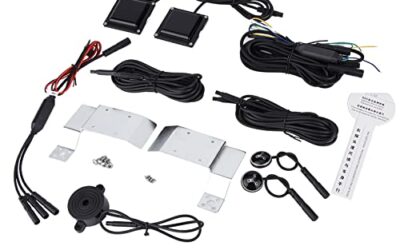
Installation of aftermarket direct TPMS on vehicles with indirect systems can improve performance but often requires professional assistance. The process may involve mounting sensors, replacing batteries, and using diagnostic tools to program the system. Voltage compatibility is generally 12V vehicle electrical systems, but check for any special requirements.
Phone OS compatibility applies mainly to vehicles with connected services. For standard TPMS, no smartphone integration is needed, but some systems support apps for monitoring via Bluetooth or cellular data. Firmware updates may be necessary for optimal performance in both systems.
Regional compatibility: While the US has specific mandates, similar systems exist globally with variations in frequency bands and alert thresholds. European vehicles might use different RF frequencies like 433 MHz exclusively.
Common Mistakes to Avoid
- Confusing direct and indirect TPMS when troubleshooting warning lights, as symptoms and fixes differ.
- Overlooking the need to replace sensor batteries in direct systems, which can lead to false low-pressure readings.
- Disabling the TPMS warning without fixing the underlying issue, which defeats the purpose of the safety feature.
- Assuming indirect TPMS provides exact pressure values when it only offers estimates.
- Ignoring vehicle-specific programming after sensor replacement or upgrade.
- Not considering tire size compatibility when adding aftermarket sensors.
When to Seek Professional Help
Professional help is recommended when the TPMS warning light illuminates persistently, indicating a system fault. This could stem from sensor failure, receiver issues, or wiring problems. If the system fails to activate after installation or if there are diagnostic trouble codes present, a qualified technician should be consulted.
For vehicles with complex TPMS setups, such as those with multiple sensors or integration with other electronics, professional diagnostic equipment is essential. Mechanics can use scan tools to read and clear codes, ensuring the system functions correctly. Never attempt to clear codes without addressing the root cause, as this may mask underlying problems.
Frequently Asked Questions
What is the primary difference between direct and indirect TPMS?
Direct TPMS uses sensors in each tire to measure pressure directly, offering high accuracy. Indirect TPMS estimates pressure using wheel speed sensors, which is less precise but simpler and cheaper.
Which TPMS system is better for safety?
Direct TPMS is generally better for safety due to its accuracy and ability to detect slow leaks, providing more reliable warnings.
Can aftermarket direct TPMS be added to a vehicle with indirect TPMS?
Yes, aftermarket direct TPMS kits can be installed, but compatibility, mounting, and possible reprogramming are required for proper function.
Do all vehicles sold in the US have TPMS?
Yes, all new vehicles sold in the US since 2008 are required to have a TPMS, though the type varies by manufacturer and model.
How does TPMS affect fuel efficiency?
Properly maintained tire pressure using TPMS can improve fuel efficiency by ensuring tires are inflated to recommended levels, reducing rolling resistance.
Sources and further reading
- Tire Safety (NHTSA): Federal guidance on tire pressure, tread, tire age and safety ratings.
- Keeping Your Vehicle in Shape (fueleconomy.gov): Why correct tire pressure and basic upkeep matter for fuel economy.