At a Glance
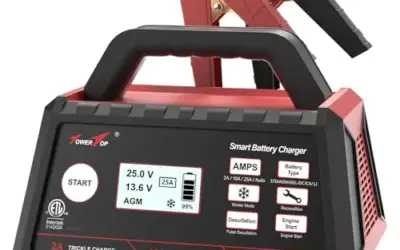
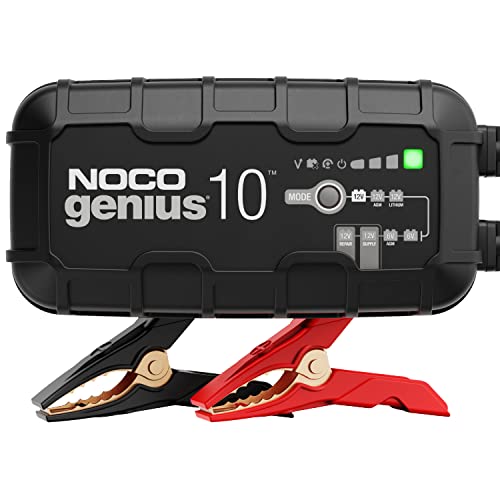
The best battery charger for deep-cycle RV batteries depends first on battery chemistry, then on bank voltage and capacity. For a versatile 12-volt RV with either lead-acid or LiFePO4 batteries, the NOCO GENIUS10 is the most balanced choice here because the manufacturer lists dedicated support for both chemistries, temperature compensation, low-voltage recovery, and long-term maintenance. Owners of large 12-volt lead-acid banks who prioritize charging speed should consider the TowerTop 25A, while the CraogeCoore 14.6V 10A is the focused budget option for 12.8-volt LiFePO4 batteries only.
Do not choose by amperage alone. Verify whether your RV battery is flooded lead-acid, AGM, gel, or LiFePO4; confirm whether the bank is wired for 12 or 24 volts; and check the battery manufacturer’s permitted charging voltage and current. A charger with the wrong profile can undercharge a battery or exceed its specified limits.
The recommendations below are based on published manufacturer specifications rather than CarTechTalk first-hand evaluation. Prices were observed between $19.90 and $99.99 but can change, so confirm the current price before buying.
CarTechTalk may earn a commission from qualifying purchases made through product links, at no additional cost to you.

Pros
- Adjustable charging current supports different charging needs
- Broad compatibility with listed 12V sealed lead-acid battery types
- Includes dedicated desulfation and repair functions
- Offers engine-start assistance and a winter charging mode
- ETL certification is listed in the listing
Cons
- The repair mode cannot repair completely drained batteries
- Only 12V battery applications are specified
Specifications
| Color | 25A |
|---|---|
| Dimensions | 7.68110235437 x 10.0393700685 x 4.9212598375 inches |
| Product Group | Automotive Parts and Accessories |
| Binding | Electronics |
Best For / Avoid If
Best for buyers prioritizing
- Adjustable charging current supports different charging needs
- Broad compatibility with listed 12V sealed lead-acid battery types
- Includes dedicated desulfation and repair functions
Consider another option if
- The repair mode cannot repair completely drained batteries
- Only 12V battery applications are specified

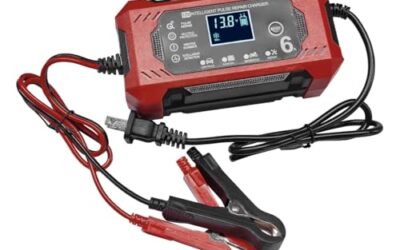
Pros
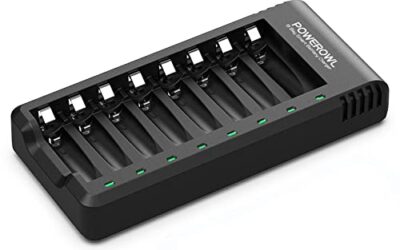
- Supports both LiFePO4 and multiple lead-acid battery types
- Can charge 12V and 24V batteries
- Automatically switches to trickle/float mode after charging
- Provides real-time charging information on a color screen
Cons
- It is a battery charger and maintainer, not a battery jump starter
- The product cannot activate or charge totally dead batteries
- The listed operating temperature range is 14°F to 82°F
Specifications
| Color | Black |
|---|---|
| Dimensions | 7.88 x 3.74 x 3.55 inches |
| Product Group | Automotive Parts and Accessories |
| Binding | Electronics |
Best For / Avoid If
Best for buyers prioritizing
- Supports both LiFePO4 and multiple lead-acid battery types
- Can charge 12V and 24V batteries
- Automatically switches to trickle/float mode after charging
Consider another option if
- It is a battery charger and maintainer, not a battery jump starter
- The product cannot activate or charge totally dead batteries
- The listed operating temperature range is 14°F to 82°F
Pros
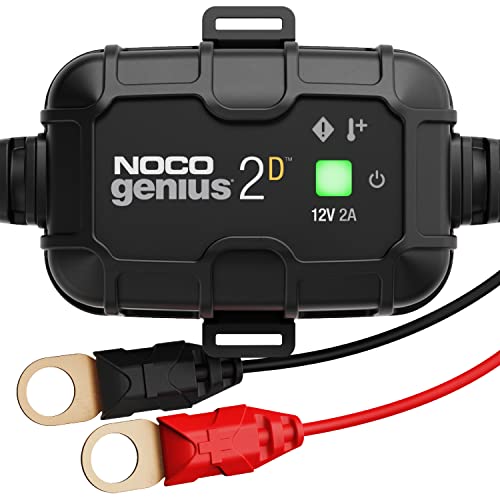
- Compatible with multiple 12V lead-acid battery types.
- Temperature compensation is designed to help prevent overcharging in hot weather and undercharging in cold weather.
- Direct-mount format supports an onboard, under-the-hood charging setup.
- Includes a Force Mode for charging completely discharged batteries down to zero volts.
Cons
- Designed for 12V lead-acid batteries; other battery chemistries are not identified in the listing.
- The 2A charging rate is specified for this model.
- Installation requires securing the mounting bracket with self-tapping screws.
Specifications
| Color | Black |
|---|---|
| Size | 2A |
| Dimensions | 5 x 2.3 x 1.5 Inches |
| Weight | 0.73 Pounds |
| Product Group | Automotive Parts and Accessories |
| Binding | Electronics |
Best For / Avoid If
Best for buyers prioritizing
- Compatible with multiple 12V lead-acid battery types.
- Temperature compensation is designed to help prevent overcharging in hot weather and undercharging in cold weather.
- Direct-mount format supports an onboard, under-the-hood charging setup.
Consider another option if
- Designed for 12V lead-acid batteries; other battery chemistries are not identified in the listing.
- The 2A charging rate is specified for this model.
- Installation requires securing the mounting bracket with self-tapping screws.
Pros
- Supports multiple lead-acid battery types, including AGM, Gel, SLA, VRLA, flooded, maintenance-free, and deep-cycle batteries
- Designed for a wide range of vehicles and equipment, including cars, motorcycles, boats, ATVs, tractors, trucks, SUVs, RVs, and lawn mowers
- Includes both battery clamps and integrated eyelet terminals
- Provides automatic maintenance charging with overcharge protection
Cons
- The listing lists support for LiFePO4 batteries specifically, rather than all lithium-ion battery types
- The charger is specified for 6V and 12V batteries only
Specifications
| Color | Black |
|---|---|
| Size | 10A |
| Dimensions | 4.41 x 4.48 x 9.1 inches |
| Weight | 3.99 Pounds |
| Product Group | Automotive Parts and Accessories |
| Binding | Electronics |
Best For / Avoid If
Best for buyers prioritizing
- Supports multiple lead-acid battery types, including AGM, Gel, SLA, VRLA, flooded, maintenance-free, and deep-cycle batteries
- Designed for a wide range of vehicles and equipment, including cars, motorcycles, boats, ATVs, tractors, trucks, SUVs, RVs, and lawn mowers
- Includes both battery clamps and integrated eyelet terminals
Consider another option if
- The listing lists support for LiFePO4 batteries specifically, rather than all lithium-ion battery types
- The charger is specified for 6V and 12V batteries only

Pros
- Compatible with flooded, maintenance-free, AGM, Gel, SLA, VRLA, deep-cycle, marine, and powersport batteries
- Supports cars, motorcycles, lawn equipment, ATVs, boats, RVs, tractors, and other listed vehicle types
- Designed for indefinite connection while monitoring the battery to help prevent overcharging
- Includes both battery clamps and integrated eyelet terminals
Cons
- Supports 6V and 12V batteries; other voltage systems are not listed
- Force Mode is required to charge batteries down to 0V
- The listing does not include battery capacity limits
Specifications
| Color | Black |
|---|---|
| Size | 1A |
| Dimensions | 3.5 x 2.3 x 1.3 inches |
| Weight | 0.95 Pounds |
| Product Group | Automotive Parts and Accessories |
| Binding | Automotive |
Best For / Avoid If
Best for buyers prioritizing
- Compatible with flooded, maintenance-free, AGM, Gel, SLA, VRLA, deep-cycle, marine, and powersport batteries
- Supports cars, motorcycles, lawn equipment, ATVs, boats, RVs, tractors, and other listed vehicle types
- Designed for indefinite connection while monitoring the battery to help prevent overcharging
Consider another option if
- Supports 6V and 12V batteries; other voltage systems are not listed
- Force Mode is required to charge batteries down to 0V
- The listing does not include battery capacity limits

Pros
- Supports 12V (12.8V) LiFePO4 deep-cycle batteries
- Offers 10A charging with automatic current and voltage adjustment
- Includes several listed safety protection features
- LED indicator helps show charging status
Cons
- Not compatible with lead-acid batteries, including AGM, SLA, or GEL types
- Intended only for 12V (12.8V) LiFePO4 batteries
Specifications
| Color | Black |
|---|---|
| Dimensions | 5.5 x 2.4 x 1.3 inches |
| Weight | 0.8 Pounds |
| Product Group | Automotive Parts and Accessories |
Best For / Avoid If
Best for buyers prioritizing
- Supports 12V (12.8V) LiFePO4 deep-cycle batteries
- Offers 10A charging with automatic current and voltage adjustment
- Includes several listed safety protection features
Consider another option if
- Not compatible with lead-acid batteries, including AGM, SLA, or GEL types
- Intended only for 12V (12.8V) LiFePO4 batteries

Pros
- Supports both LiFePO4 lithium and multiple lead-acid battery types
- Offers higher stated output than standard 10A chargers for 12V batteries
- Includes automatic charging, maintenance, memory, and repair functions
- Provides multiple safety protections and active cooling for high-amp operation
Cons
- The Repair Mode is described as a 16-hour cycle
- The listing does not include additional technical specifications
Best For / Avoid If
Best for buyers prioritizing
- Supports both LiFePO4 lithium and multiple lead-acid battery types
- Offers higher stated output than standard 10A chargers for 12V batteries
- Includes automatic charging, maintenance, memory, and repair functions
Consider another option if
- The Repair Mode is described as a 16-hour cycle
- The listing does not include additional technical specifications
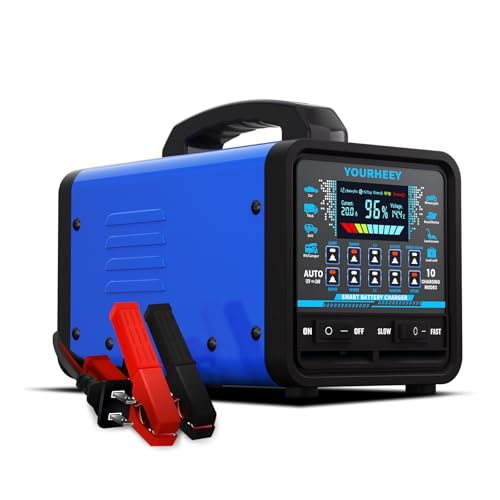
Pros
- Supports a broad range of lead-acid battery types
- Offers both 12V and 24V charging with automatic system detection
- Includes charging, maintenance, repair, winter, energy-saving, and strong modes
- Listed with a heavy-duty aluminum alloy casing and 13.1-pound copper coils
Cons
- Not compatible with lithium or LiFePO4 batteries
- The listing does not identify a specific connector type or full contents of the package
Specifications
| Color | BLUE |
|---|---|
| Dimensions | 3.15 x 7.09 x 2.36 inches |
| Weight | 12.5 Pounds |
| Product Group | Automotive Parts and Accessories |
Best For / Avoid If
Best for buyers prioritizing
- Supports a broad range of lead-acid battery types
- Offers both 12V and 24V charging with automatic system detection
- Includes charging, maintenance, repair, winter, energy-saving, and strong modes
Consider another option if
- Not compatible with lithium or LiFePO4 batteries
- The listing does not identify a specific connector type or full contents of the package

Pros
- Wide voltage and current adjustment range
- Supports several lead-acid battery types and vehicle applications
- Includes automatic maintenance and pulse repair functions
- Provides multiple stated safety protections
Cons
- Cannot activate a totally dead battery or repair a damaged battery
- Operation is listed for temperatures from -4°F to 104°F
Specifications
| Color | Orange |
|---|---|
| Size | 12V 24V 0-15A |
| Dimensions | 6.5 x 7.5 x 3.75 inches |
| Product Group | Automotive Parts and Accessories |
| Binding | Electronics |
Best For / Avoid If
Best for buyers prioritizing
- Wide voltage and current adjustment range
- Supports several lead-acid battery types and vehicle applications
- Includes automatic maintenance and pulse repair functions
Consider another option if
- Cannot activate a totally dead battery or repair a damaged battery
- Operation is listed for temperatures from -4°F to 104°F

Pros
- Supports multiple battery chemistries and both 12V and 24V systems
- Automatic charging control adjusts the charging current
- LCD provides several charging-status and parameter readouts
- Includes repair, maintenance, and built-in electrical protection functions
Cons
- Will not start a battery or repair a completely lost battery
- The battery voltage must be at least 2V for charging
- A special powerful mode for certain over-discharged 24V batteries must be manually activated and deactivated after 5 minutes
Specifications
| Color | Gray |
|---|---|
| Size | 20Amp |
| Dimensions | 7.5 x 2.5 x 6.6 Inches |
| Product Group | Automotive Parts and Accessories |
Best For / Avoid If
Best for buyers prioritizing
- Supports multiple battery chemistries and both 12V and 24V systems
- Automatic charging control adjusts the charging current
- LCD provides several charging-status and parameter readouts
Consider another option if
- Will not start a battery or repair a completely lost battery
- The battery voltage must be at least 2V for charging
- A special powerful mode for certain over-discharged 24V batteries must be manually activated and deactivated after 5 minutes
What to Look For in Battery Chargers & Testers
We evaluated the published specifications for all 10 chargers, concentrating on factors that matter for an RV house battery: supported chemistry, bank voltage, maximum charging current, automatic maintenance, temperature-related charging features, low-voltage limitations, and installation style. Greater weight went to clearly documented compatibility than to broad recovery or longevity claims.
Consequently, selection is based on manufacturer-listed features and compatibility only. Claims about charging time, battery recovery, or extended service life should be treated as manufacturer claims rather than independent results.
Compatibility at a Glance
| Charger | Listed voltage | Listed chemistry | Maximum listed charge current |
|---|---|---|---|
| TowerTop | 12V | Lead-acid | 25A |
| PZ.P Smart | 12V/24V | Lead-acid, LiFePO4 | 15A at 12V; 8A at 24V |
| NOCO GENIUS2D | 12V | Lead-acid | 2A |
| NOCO GENIUS10 | 6V/12V | Lead-acid, LiFePO4 | 10A |
| NOCO GENIUS1 | 6V/12V | Lead-acid, LiFePO4 | 1A |
| CraogeCoore | 12.8V battery; 14.6V output | LiFePO4 only | 10A |
| E-FAST | 12V/24V | Lead-acid, LiFePO4 | 20A at 12V; 10A at 24V |
| Yourheey | 12V/24V | Lead-acid | 20A |
| PZ.P Manual | 12V–30V adjustable | Lead-acid | 15A at 12V; 7.5A at 24V |
| RCGCBC | 12V/24V | Lead-acid, LiFePO4 | 20A |
Sizing, Fitment, and Setup Notes
Identify the Battery Chemistry
“Deep cycle” describes the battery’s intended cycling duty, not its chemistry. Flooded lead-acid, AGM, gel, and LiFePO4 batteries require different charging behavior. Read the battery label and manual rather than assuming an RV or lithium mode is appropriate. Lithium charging should also remain within the limits of the battery’s management system.
Confirm Bank Voltage and Wiring
Two 12-volt batteries wired in parallel remain a 12-volt bank, while two wired in series form a 24-volt bank. A charger must match the bank voltage at its connection points. If individual batteries are charged separately, disconnecting or isolating them may be necessary; follow the RV and battery manufacturers’ procedures.
Choose a Sensible Charge Rate
Higher amperage can reduce the bulk-charging period, but only when the battery accepts that rate and available shore power supports the charger. Large RV banks generally make 1- or 2-amp units more suitable for storage maintenance than routine recovery. Conversely, a 20- or 25-amp setting may be excessive for a small battery. Use the battery manufacturer’s maximum recommended charge current as the controlling limit.
Understand Repair Modes
Desulfation applies to lead-acid battery problems. It cannot repair cracked plates, internal shorts, depleted electrolyte, or every deeply discharged battery. It is not a substitute for capacity testing, and lead-acid repair modes should not be applied to LiFePO4 unless expressly permitted by both charger and battery documentation.
Selection Guide
- Read the battery label: Record chemistry, nominal voltage, amp-hour capacity, and charging limits.
- Decide between charging and maintenance: Choose 10 to 25 amps only when permitted for routine replenishment; consider 1 to 2 amps for storage maintenance.
- Check low-voltage behavior: A deeply discharged battery may fall below automatic detection. Manual override modes require careful polarity and voltage confirmation.
- Consider temperature: Temperature compensation is particularly useful for lead-acid batteries stored in changing climates. Follow separate low-temperature restrictions for LiFePO4 batteries and their battery-management systems.
- Plan the connection: Clamps are portable; eyelet leads or direct mounting are more convenient for repeated maintenance. Keep connections protected from accidental shorts.
Questions Buyers Ask
Can I use a regular automotive charger on an RV deep-cycle battery?
Only if its documented voltage and charging profile match the battery. A charger intended solely for lead-acid must not be used on LiFePO4, and a 12-volt charger cannot charge a complete 24-volt bank.
Is 10 amps enough for an RV battery?
It can be a practical rate for many 12-volt batteries, but suitability depends on capacity and the battery manufacturer’s limits. It will replenish a large bank more slowly than an approved 20- or 25-amp charger.
Can a smart charger revive a dead deep-cycle battery?
Sometimes it can begin charging a low-voltage battery, but recovery is not guaranteed. The battery may have irreversible damage or may need professional evaluation. Never rely on a repair mode to make a damaged battery safe.
Should I disconnect the battery from the RV before charging?
Requirements vary by RV electrical system, charger, converter, and battery configuration. Follow the manuals for all connected equipment. Confirm polarity, provide ventilation for flooded batteries, and eliminate ignition sources before charging.
For a closer look at a related choice, see Best Battery Charger For Deep Cycle Marine Batteries, Best Battery Charger For Agm Deep Cycle Batteries and Best Battery Charger for Deep Cycle Batteries.
Final Recommendation
For the broadest typical 12-volt RV use, the NOCO GENIUS10 offers the strongest combination of documented lead-acid and LiFePO4 compatibility, 10-amp charging, temperature compensation, and maintenance capability. Choose the TowerTop 25A instead for faster 12-volt lead-acid charging when the battery permits that current. For a clearly identified 12.8-volt LiFePO4 battery, the lower-cost CraogeCoore 10A is the more focused option. Whatever model you select, the battery manufacturer’s voltage and current limits take precedence over charger marketing or maximum-output figures.