To prepare a truck bed for winter, clean and dry the bed, clear its drains, check for damage, and secure any cover or accessories. Then protect cargo from snow, road spray, and shifting loads, keeping in mind that fit and care instructions vary by truck year, bed length, and accessory model.
- Remove grit and standing water before freezing conditions set in.
- Check drain paths, seals, fasteners, and bed surfaces for blockages or damage.
- Use a cover or bed mat only if it fits your truck and does not block drainage.
- Secure cargo independently; a tonneau cover is not a cargo restraint.
- Empty the bed and remove loose debris. Take out cargo, tools, leaves, mud, and anything that can hold water or move around. Check corners and spaces beside wheel wells, where debris can collect. If your truck has a bed liner, look for debris trapped along its edges.
- Wash the bed and let it dry. Use a cleaner suitable for the bed finish or liner. Rinse away road grime and residue, then dry seams and corners as well as practical. Avoid harsh chemicals or abrasive tools unless the truck or accessory maker says they are suitable. Water left in a low spot can freeze, and dirt can hide early signs of wear.
- Inspect the bed and liner. Look for cracks, loose liner sections, chipped coating, sharp edges, and corrosion. Pay attention to places where cargo rubs or where accessories attach. A drop-in liner can conceal the surface beneath it, so follow the truck or liner maker’s instructions if removal or inspection is needed. Do not drill, sand, or apply a coating without checking whether the change affects fit, drainage, or warranty coverage.
- Clear the bed’s drain paths. Find drainage openings and channels, which vary by truck design and bed configuration. Remove leaves and dirt without forcing tools into openings or changing factory components. Some bed covers and mats also use drain tubes or channels. Check their routing and outlet points using the accessory instructions. A mat or liner that blocks water flow can leave moisture trapped under it.
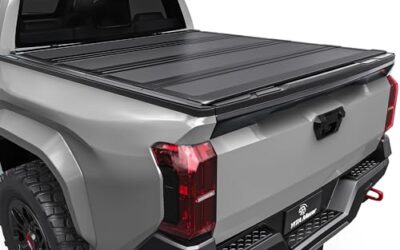
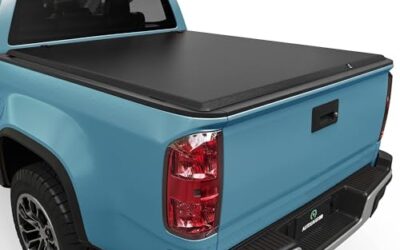
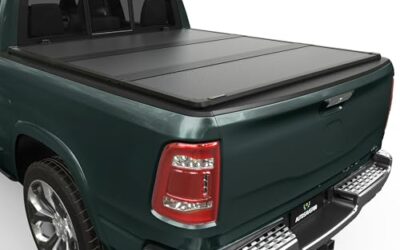
- Check the tonneau cover or cap. Inspect its mounting points, clamps, seals, latches, hinges, and drain connections. Remove dirt from sealing surfaces with a method allowed by the maker. Look for loose hardware, torn seals, or damage that could let water or snow enter. Soft covers, folding covers, retractable covers, and caps have different care and adjustment steps. The correct procedure depends on cover model and truck bed configuration.
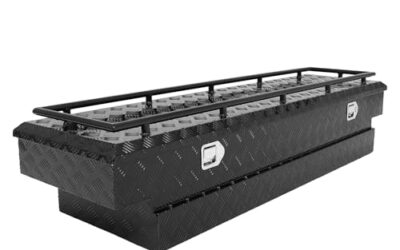
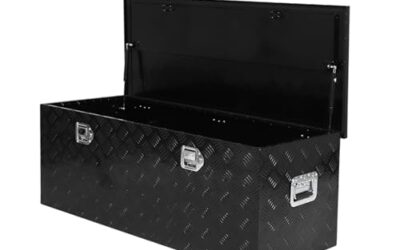
- Check fit for your exact truck. Bed length, cab style, model year, factory rails, bed liner, and installed toolbox can affect accessory fit. A cover listed for one generation or bed length may not fit another, even when truck names match. If you have a toolbox, check the cover’s clearance and access requirements. This guide to F-150 tonneau covers with toolboxes explains why the combination needs fitment checks.
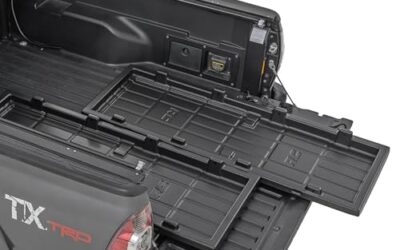
- Choose a bed mat only if it fits and drains correctly. A mat can help reduce cargo movement and protect the bed surface, but its shape, thickness, and material must suit the truck and bed liner. Check for movement, curled edges, and trapped water after installation. Do not assume a universal mat will fit every model year or bed size. See the truck bed mat winter guide for factors to weigh when selecting one.
- Secure cargo and protect items that cannot get wet. Use appropriate tie-down points and restraints for the load. Keep heavy items low and stable, and do not rely on a cover to stop cargo from sliding. Place moisture-sensitive gear in suitable sealed containers, then secure those containers too. Leave access to latches, drains, and required equipment.
- Recheck after the first storm or freeze. Look for pooled water, snow buildup, shifted cargo, loose hardware, or ice around latches. Clear snow using methods allowed by the cover maker. Do not force frozen latches or pry against cover panels; that can damage seals or hardware.
What should you check before winter?
| Area | Check | Why it matters |
|---|---|---|
| Bed floor and corners | Standing water, debris, rust, cracks, or liner movement | Finds places where moisture or grit can collect |
| Drain openings | Leaves, dirt, kinked tubes, or blocked outlets | Allows water to leave the bed and accessory channels |
| Cover or cap | Fit, seals, clamps, hinges, latches, and damage | Flags leaks or parts that may fail during use |
| Mat or liner | Fit, movement, trapped debris, and drainage | Helps avoid trapped moisture and interference with accessories |
| Cargo | Restraints, load stability, and protection from moisture | Keeps items from shifting and limits exposure |
Does a tonneau cover make a truck bed winter-proof?
No. A tonneau cover can reduce direct exposure to precipitation, but protection depends on its design, condition, installation, and fit. Water may enter at seams or tailgate gaps, and wind-driven snow can reach openings. A cover should not be treated as a waterproof cargo container unless its manufacturer explicitly describes its limits and care requirements.
Cover choice also depends on how you use the truck. A soft roll-up cover, folding cover, retractable cover, and hard cap differ in access, storage, and maintenance. The winter-weather tonneau cover guide covers those tradeoffs. For freezing climates, seal and latch behavior may matter as much as the cover style; see the freezing-weather cover guide.
Winter care for different bed setups
Bare metal or factory bed coating
Keep the surface clean and check worn areas, seams, and attachment points. Follow the truck manual for cleaning and repair guidance. Do not assume every coating accepts the same cleaner or touch-up product.
Drop-in or spray-in bed liner
Check the liner for cracks, movement, and debris along edges. A drop-in liner may conceal moisture or damage underneath, while a spray-in liner follows the bed surface. Inspection and repair methods differ, so use instructions for the specific liner and truck.
Bed mat with a cover
Check that the mat does not interfere with the cover’s clamps, seals, tailgate closure, or drain channels. Lift or remove the mat for cleaning only as its instructions allow. If water repeatedly collects beneath it, adjust the setup rather than leaving moisture trapped for long periods.
Common mistakes
- Assuming every cover seals the bed. Most covers reduce exposure, but seams and openings can still admit water or snow.
- Blocking drains with a mat or debris. Water needs a clear route out of the bed and accessory channels.
- Using one cleaner on every surface. Bed coatings, liners, seals, and cover materials can have different care limits.
- Forcing frozen hardware. Ice can hold latches or panels in place. Forcing them risks damage; follow the maker’s thawing guidance.
- Relying on the cover to restrain cargo. Tie down loads with suitable restraints and approved anchor points.
- Ignoring truck-specific fit. Model year, bed length, rail configuration, liner, and toolbox can change accessory compatibility.
When to get professional help
Ask a qualified truck-bed or accessory installer to inspect a cover that will not latch, has shifted, or leaks after proper installation checks. Seek body repair help for corrosion, cracked metal, damaged seams, or water entering through the bed structure. If an accessory requires drilling, wiring, or changes to factory components, use its vehicle-specific instructions or have a qualified installer handle the work.
Gear that can help
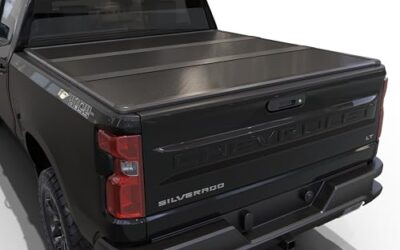
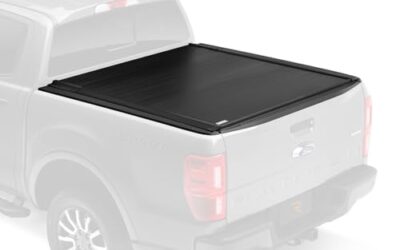
If you need tonneau covers for this job, these picks already appear in our tonneau covers guides. Check the full guide for fit and who should skip each one.

Pros
- Provides full bed access when rolled up
- Adjustable tension system is designed to keep the vinyl tight and wrinkle-free
- No-drill installation hardware is included
- Uses marine-grade vinyl with aluminum side rails and stainless steel clamps
Cons
- Not compatible with 2019 Silverado 1500 LD, Sierra 1500 Limited, CarbonPro beds, or factory side storage boxes
- Equipping the cover will interfere with the power tailgate
- Small holes must be cut in over-the-bedrail bedliners for proper clamp installation
Specifications
| Color | Black |
|---|---|
| Size | 5.9ft Bed |
| Dimensions | 72.56 x 68.82 x 1.3 inches |
| Weight | 21.61 pounds |
| Product Group | Automotive Parts and Accessories |
| Binding | Automotive |
Best For / Avoid If
Best for buyers prioritizing
- Provides full bed access when rolled up
- Adjustable tension system is designed to keep the vinyl tight and wrinkle-free
- No-drill installation hardware is included
Consider another option if
- Not compatible with 2019 Silverado 1500 LD, Sierra 1500 Limited, CarbonPro beds, or factory side storage boxes
- Equipping the cover will interfere with the power tailgate
- Small holes must be cut in over-the-bedrail bedliners for proper clamp installation

Pros
- Hard fiberglass construction
- No-drill clamp-on installation
- Includes six clamps, an extra weather strip, and a 60-month warranty
- Designed for a broad range of specified Silverado and Sierra 2500/3500 HD model years
Cons
- Not compatible with CarbonPro beds
- Fitment is limited to specified 6.9-foot standard-bed Silverado and Sierra 2500/3500 HD trucks
Specifications
| Color | Black |
|---|---|
| Size | 6.9ft for 20-26 2500 3500 |
| Product Group | Automotive Parts and Accessories |
Best For / Avoid If
Best for buyers prioritizing
- Hard fiberglass construction
- No-drill clamp-on installation
- Includes six clamps, an extra weather strip, and a 60-month warranty
Consider another option if
- Not compatible with CarbonPro beds
- Fitment is limited to specified 6.9-foot standard-bed Silverado and Sierra 2500/3500 HD trucks

Pros
- Uses heavy-duty 24oz marine-grade vinyl with aluminum support frames
- Fold-up crossbars allow full bed access when needed
- No-drill installation design
- 5-year US customer warranty
Cons
- Not compatible with 2019 Silverado 1500 LD, Sierra 1500 Limited, CarbonPro beds, or factory side storage boxes
- Over-the-bedrail bedliners require small holes to be cut for clamp installation
- Installing the cover interferes with the power tailgate
Specifications
| Color | Black |
|---|---|
| Size | 5.9ft Bed |
| Dimensions | 71 x 27 x 4 inches |
| Weight | 25.24 pounds |
| Product Group | Automotive Parts and Accessories |
| Binding | Automotive |
Best For / Avoid If
Best for buyers prioritizing
- Uses heavy-duty 24oz marine-grade vinyl with aluminum support frames
- Fold-up crossbars allow full bed access when needed
- No-drill installation design
Consider another option if
- Not compatible with 2019 Silverado 1500 LD, Sierra 1500 Limited, CarbonPro beds, or factory side storage boxes
- Over-the-bedrail bedliners require small holes to be cut for clamp installation
- Installing the cover interferes with the power tailgate
Frequently asked questions
Should I cover my truck bed in winter?
A cover can reduce direct exposure to snow and road spray, but it does not guarantee a dry bed. Choose one that fits the truck and suits cargo access needs, then keep its seals and drains clear.
Can snow damage a tonneau cover?
Damage risk depends on cover construction, condition, installation, and the maker’s limits. Follow the cover instructions for snow removal and load limits. Do not leave heavy buildup beyond those limits.
Should I put a mat under a tonneau cover?
Only if the mat fits without blocking drainage, interfering with latches, or preventing the cover from closing. Check for trapped water and debris beneath the mat during routine cleaning.
How often should I inspect the bed during winter?
Inspect it after significant snow or ice, after carrying wet or dirty cargo, and whenever you notice a leak or change in cover operation. More frequent checks may suit trucks used in heavy road spray or frequent storms.