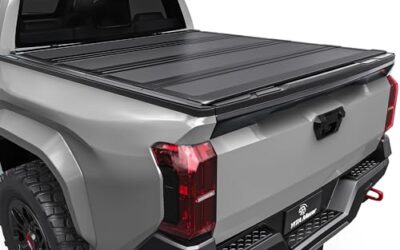
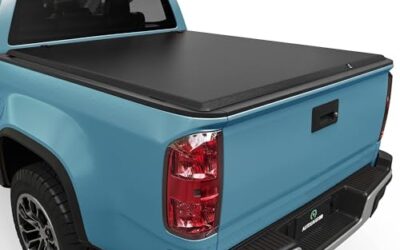
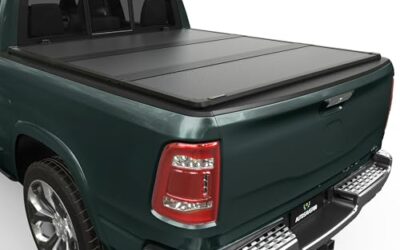
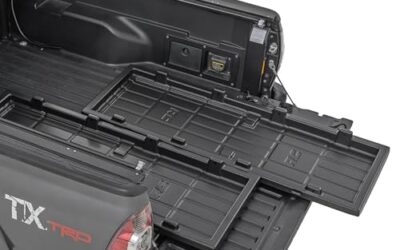
To store a removed tonneau cover, clean and dry it, then support it in the position its manufacturer allows. Check the cover manual first, because folding, rolling, retractable, and one-piece covers have different support and storage limits.
- Use the cover manual to choose storage position and removal steps.
- Get help lifting large or awkward covers, and protect painted surfaces.
- Store the cover indoors when possible, away from moisture, heat, and falling objects.
- Keep clamps, bolts, seals, and other removable hardware labeled with the cover.
- Do not assume every cover can stand upright, hang, or lie flat without damage.
What to check before storing a tonneau cover
A tonneau cover’s material and construction determine how it should rest in storage. A soft roll-up cover may have a different storage method from a hard folding cover. Retractable covers can include rails or a canister that affect how much of the assembly comes off the truck. One-piece covers can be large and awkward, even when their panels are rigid.
Find the make and model on the cover label, purchase paperwork, or installation instructions. Use its manual to check removal order, lifting points, permitted storage position, and any restrictions on stacking or hanging. Truck model year and bed size matter for fitment and removal, but they do not establish safe storage instructions for a cover from another manufacturer.
If the manual is unavailable, look for the cover maker’s instructions for that exact model. Do not guess that a storage method for one style applies to another. In particular, a folded cover may be stored as a single unit only if its design and instructions allow it.
How to store a removed tonneau cover
- Clear a safe work area. Choose a dry, level spot with enough room to set the cover down without hitting a wall, vehicle, or overhead object. Remove cargo from the bed and keep the path to storage clear.
- Read the removal instructions. Follow the cover maker’s sequence for releasing clamps, rails, wiring, drains, or other attached parts. Some covers come off as one assembly; others require parts to come off separately. Do not pull against a stuck clamp or force a connector.
- Ask for help with lifting. Large covers can be hard to balance. Use enough people to control the cover while releasing the final attachment and carrying it. Keep fingers clear of hinges and pinch points. If the cover is powered or has wiring, use its instructions to disconnect it safely.
- Set hardware aside as you remove it. Put clamps, bolts, keys, wiring pieces, and small brackets in a labeled bag or container. Note where each part came from, and attach the container to the cover or store it beside it. This reduces the chance of losing parts before reinstalling.
- Clean the cover gently. Remove loose dirt and debris with a soft cloth or brush. Use only cleaning products and methods permitted by the cover instructions. Harsh cleaners or abrasive tools may affect finishes, seals, or fabric. Avoid soaking areas that contain electrical parts or materials that should not get wet.
- Let it dry fully. Dry the cover and any removable fabric or seals before putting them away. Trapped moisture can contribute to mildew, odors, corrosion, or staining, depending on the materials and storage conditions. Do not fold wet fabric or close a damp cover inside an airtight bag.
- Choose an approved support position. Set the cover on a clean, broad, padded surface if the manual permits flat storage. Support it evenly rather than leaving a long panel or frame hanging unsupported. Use the specified folded or rolled configuration when required. Do not place weight on top unless the maker allows stacking.
- Protect it from the storage environment. Keep it out of direct sunlight and away from heaters, hot pipes, standing water, and areas where tools or other cargo might fall onto it. A breathable cover or clean sheet can help keep dust off; avoid wrapping a damp cover in plastic.
- Secure it against movement. Keep the cover where it cannot slide, tip, or be struck by a door or stored item. If the manual allows vertical storage, secure the assembly against tipping and protect the edges that touch the support. Never lean it where it could fall onto a person or vehicle.
- Check it before reinstalling. Look for bent frames, loose hardware, cracked panels, damaged seals, mildew, or wiring damage. Compare all parts with the removal notes and follow the maker’s installation instructions. Do not force a clamp or latch into place if alignment seems wrong.
Which storage position should you use?
The correct position depends on the cover’s construction and its instructions. Flat storage can spread weight across a broad support, but it can be unsuitable if the cover needs a particular folded position or if the support is uneven. Upright storage can save floor space, but it adds tipping risk and puts weight on edges or frame points. Hanging can put concentrated force on mounting points that were not made for storage loads.
| Cover type | Storage point to check | Do not assume |
|---|---|---|
| Soft roll-up | Whether the cover should remain rolled, and how to support its frame or roll | That fabric can be stored wet or tightly compressed |
| Hard folding | Whether panels should be folded together or supported in another position | That folded panels can bear weight from boxes or other covers |
| Retractable | Whether the cover, rails, and canister are removed together or separately | That the canister can be lifted or stored by its rails alone |
| One-piece hard cover | Approved lifting points and broad support locations | That it can safely lean on a narrow edge or hang from a wall hook |
This table gives questions to ask, not universal storage instructions. Cover designs differ within each type. Follow the instructions for the exact model, especially if the cover has a powered latch, drain tubes, a canister, or separate rails.
How to protect cover parts and hardware
Store small parts where they will stay dry and remain associated with the cover. A labeled bag works for clamps and fasteners; keep keys and electrical connectors protected from dirt and moisture. Do not use a bag to bundle parts tightly against a fabric panel or finished surface, since hard edges can leave marks.
Keep seals and removable fabric flat or arranged as the manufacturer directs. Avoid sharp folds, twists, or heavy compression. If the cover came with a storage sleeve, bracket, or support, use it only in the way its instructions describe. A mounting bracket does not automatically count as a safe storage bracket.
For a cover with electrical components, protect connectors from water and impact. Follow the instructions for disconnecting power and handling wiring. Do not cut, splice, or modify wiring as part of routine storage. If the connector or wiring is damaged, have it assessed before the cover goes back on the truck.
Where should you keep a tonneau cover?
A dry indoor space is usually easier to control than an exposed outdoor location. A garage, shed, or storage room can work if it has enough room to support the cover without leaning heavy items against it. Keep it away from leaks, damp floors, direct sun through windows, and heat sources.
If indoor space is not available, use a sheltered location only if the cover instructions allow it. Protect the cover from rain, snow, direct sun, and wind-blown debris. Keep it elevated above standing water and secure it against movement. Outdoor storage can expose materials and hardware to conditions that vary by climate, season, and shelter.
Storage conditions also matter if you remove the cover for winter or another long period. For related advice on using a cover in cold conditions, see our guides to tonneau covers for winter weather and tonneau covers for freezing weather. Those topics address in-use conditions, while storage still depends on the cover’s own manual.
Common mistakes
- Storing it while damp. Moisture trapped in fabric, seams, or enclosed spaces can cause odor or material damage. Dry it before covering or packing it.
- Leaning it on a narrow edge. Concentrated pressure can stress a panel, frame, or finish. Use an approved support position and protect contact points.
- Hanging it from convenient hardware. Clamps and rails may secure the cover to a truck, but that does not mean they can carry its storage weight from a hook.
- Stacking cargo on top. Boxes and tools can press unevenly on panels, hinges, seals, or fabric. Stack only if the cover maker permits it and identifies how to support the load.
- Leaving parts loose. Unlabeled fasteners and connectors are easy to misplace. Keep them together with notes about their locations.
- Using a generic removal method. Cover designs and truck fitments vary. Forcing a latch, clamp, or connector can damage the cover or truck.
- Assuming storage position from cover type alone. Two folding covers, for example, may have different frame and panel support needs. The exact model instructions take priority.
When to get professional help
Ask an installer or the cover manufacturer for help if you cannot identify the model, the removal steps are unclear, or the cover remains attached after following its instructions. Professional help also makes sense when the cover is too heavy or awkward for the available people to control safely.
Stop if a clamp, hinge, powered latch, or electrical connector is damaged or stuck. Do not force it or improvise a lifting point. Get help if the cover has a cracked panel, bent frame, loose rail, damaged wiring, or a seal that has pulled away. Reinstalling a damaged cover without checking it can lead to poor fit or unreliable latching.
Gear that can help
If you need tonneau covers for this job, these picks already appear in our tonneau covers guides. Check the full guide for fit and who should skip each one.

Pros
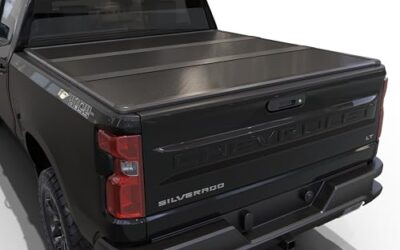
- Specified compatibility with 2015-2026 Ford F150 5.5-foot beds
- Tool-free, no-drill attachment and removal
- Hard-shell panels made from EnduraShield automotive-grade polymer
- Folding design provides bed access
Cons
- Compatibility is limited to the listed Ford F150 5.5-foot, 66-inch bed application
- Full bed access requires removing the cover
Specifications
| Size | 5.5ft Bed |
|---|---|
| Product Group | Automotive Parts and Accessories |
Best For / Avoid If
Best for buyers prioritizing
- Specified compatibility with 2015-2026 Ford F150 5.5-foot beds
- Tool-free, no-drill attachment and removal
- Hard-shell panels made from EnduraShield automotive-grade polymer
Consider another option if
- Compatibility is limited to the listed Ford F150 5.5-foot, 66-inch bed application
- Full bed access requires removing the cover

Pros
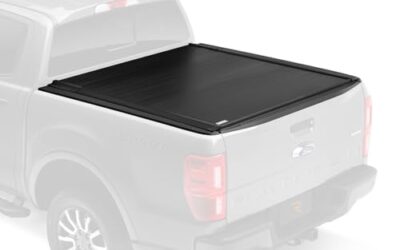
- Provides full bed access when rolled up
- Adjustable tension system is designed to keep the vinyl tight and wrinkle-free
- No-drill installation hardware is included
- Uses marine-grade vinyl with aluminum side rails and stainless steel clamps
Cons
- Not compatible with 2019 Silverado 1500 LD, Sierra 1500 Limited, CarbonPro beds, or factory side storage boxes
- Equipping the cover will interfere with the power tailgate
- Small holes must be cut in over-the-bedrail bedliners for proper clamp installation
Specifications
| Color | Black |
|---|---|
| Size | 5.9ft Bed |
| Dimensions | 72.56 x 68.82 x 1.3 inches |
| Weight | 21.61 pounds |
| Product Group | Automotive Parts and Accessories |
| Binding | Automotive |
Best For / Avoid If
Best for buyers prioritizing
- Provides full bed access when rolled up
- Adjustable tension system is designed to keep the vinyl tight and wrinkle-free
- No-drill installation hardware is included
Consider another option if
- Not compatible with 2019 Silverado 1500 LD, Sierra 1500 Limited, CarbonPro beds, or factory side storage boxes
- Equipping the cover will interfere with the power tailgate
- Small holes must be cut in over-the-bedrail bedliners for proper clamp installation

Pros
- Hard fiberglass construction
- No-drill clamp-on installation
- Includes six clamps, an extra weather strip, and a 60-month warranty
- Designed for a broad range of specified Silverado and Sierra 2500/3500 HD model years
Cons
- Not compatible with CarbonPro beds
- Fitment is limited to specified 6.9-foot standard-bed Silverado and Sierra 2500/3500 HD trucks
Specifications
| Color | Black |
|---|---|
| Size | 6.9ft for 20-26 2500 3500 |
| Product Group | Automotive Parts and Accessories |
Best For / Avoid If
Best for buyers prioritizing
- Hard fiberglass construction
- No-drill clamp-on installation
- Includes six clamps, an extra weather strip, and a 60-month warranty
Consider another option if
- Not compatible with CarbonPro beds
- Fitment is limited to specified 6.9-foot standard-bed Silverado and Sierra 2500/3500 HD trucks
Frequently asked questions
Can I store a tonneau cover standing up?
Only if the instructions for that cover allow upright storage. Secure it against tipping and protect the edges or frame where it rests. If the manual does not describe upright storage, ask the cover maker rather than assuming it is safe.
Can I leave a tonneau cover outside after removing it?
Use indoor storage when possible. Outdoor storage exposes the cover to weather, sun, and wind-blown debris. If outside storage is unavoidable, follow the cover’s storage instructions and use shelter that keeps it dry and secure.
Should I remove the rails with the cover?
That depends on the cover design and the removal instructions. Some assemblies separate into a cover, rails, or canister; others may remain together. Keep all removed parts and fasteners labeled for that cover.
Can I put a protective cover over it?
Yes, if the tonneau cover is clean and fully dry, and the protective cover does not trap moisture. A breathable sheet can limit dust. Do not tightly wrap a damp cover in plastic.
What should I check before reinstalling it?
Check that all hardware is present and inspect panels, frame, hinges, seals, clamps, and wiring for damage. Reinstall it using the instructions for the cover and truck. If anything is bent, cracked, or does not align, stop and seek help.