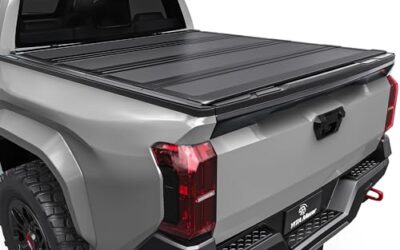
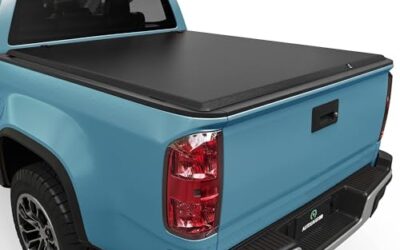
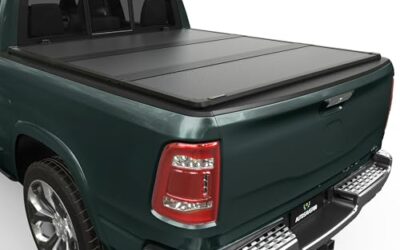
To prevent water pooling on a tonneau cover, correct sag, check cover fit and tension, and keep its drainage paths clear. Start with the cover and truck manuals, because adjustment points and limits vary by cover type, truck model, and bed setup.
- Water sitting in one spot often signals sag, loose support, or a cover that is not seated correctly.
- Inspect rails, bows, seals, and drains before changing adjustments.
- Adjust tension only by the method and limits specified for your cover.
- Do not use sharp tools, excess force, or improvised supports on cover fabric.
- A tonneau cover can shed water without making the bed fully waterproof.
Why water pools on tonneau covers
Pooling usually starts when rainwater cannot run off the cover. A soft cover may sag between support bows, while a hard folding or retractable cover can collect water if a panel, rail, or drain path is out of position. Cover design matters: not every model uses the same frame, tension system, or drainage route.
Truck setup matters too. Bed caps, bed liners, toolboxes, cargo, and installation changes can affect how a cover sits. A truck parked on uneven ground may also hold water in a low spot that drains when the vehicle is level. That observation alone does not prove the cover is damaged.
Small amounts of water can remain after rain, but a deep puddle puts added load on the cover and can stress fabric, seams, bows, or hardware. Standing water may also find a route into the bed through seals or gaps. A cover that sheds rain is not necessarily watertight, especially around tailgates, bed corners, and rail interfaces.
How to prevent water pooling on a tonneau cover
Use this order: identify where water gathers, check for installation or drainage problems, then make only approved adjustments. Do not start by tightening every latch or adding weight. Those actions can distort the cover or put extra strain on its parts.
- Read the cover instructions. Find the installation and care instructions for your exact cover model. Soft roll-up, folding, retractable, and one-piece covers can use different tension and support systems. If the cover was installed by a shop, ask for its adjustment guidance before changing hardware.
- Locate the low spot. After rain, note where water stays and whether it collects in the center, near a seam, or along an edge. If safe, park on level ground and check again. A puddle that shifts or disappears on level ground may reflect parking position; a repeat puddle in the same place points toward sag, support, or fit.
- Remove loose debris. Clear leaves, grit, and other debris from the cover surface, rail channels, and visible drains. Use a soft cloth or brush that will not scratch the finish or cut fabric. Do not push debris deeper into a drain with a wire or sharp tool.
- Check that the cover is seated. Look along both bed rails and at the front and tailgate edges. Check for a rolled edge, displaced seal, uneven panel, loose clamp, or latch that has not engaged. Compare both sides. Do not force a latch that resists; first check for misalignment or trapped cargo.
- Inspect supports and hardware. Look for a bow or support that has shifted, a visibly loose attachment, or damaged fabric near a support. Use the cover instructions to identify which parts can be adjusted. Do not tighten clamps or bolts beyond the stated procedure. A bed liner or rail cap may affect mounting, so check whether the installation accounts for that equipment.
- Adjust tension only if instructions allow it. Some soft covers have user-adjustable tension. Make the specified change evenly and in small increments, then close the cover and check that it latches without excessive force. Other covers have no user tension adjustment. Do not stretch fabric by pulling hard or alter a frame to remove a puddle.
- Test drainage and closure. After checking the cover, use a gentle flow of water to see whether it runs toward the intended edges and whether visible drains carry it away. Keep water away from electrical equipment and cargo. Check the bed afterward for leaks. A hose check can reveal a problem, but it cannot prove that the cover will remain dry in every wind or rain condition.
What to check by cover type
| Cover type | Common pooling area | Checks to make |
|---|---|---|
| Soft roll-up | Between support bows or near cover center | Check fabric tension, bow position, rail seating, and latch engagement. Use only the model’s stated adjustment method. |
| Soft folding | Across a panel or near a fold | Check that panels sit flat, hinges are clear, and seals are in place. Do not fold or latch a wet cover against trapped debris. |
| Hard folding | At panel joints or along rails | Check panel alignment, seals, latches, and drainage channels. A damaged seal or bent panel may need service rather than adjustment. |
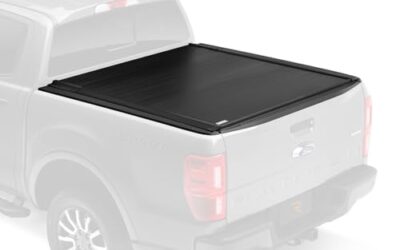
| Retractable | Along a rail, at the canister, or near a drain outlet | Check visible channels and drain outlets for blockage. Follow the instructions before removing covers or accessing the canister. |
| One-piece hard cover | Near an edge or at a low point in the shell | Check fit, supports, and seal contact. Do not lift or alter mounting hardware without the model’s instructions. |
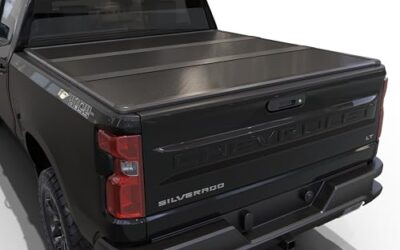
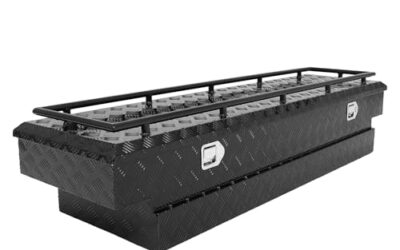
These are inspection areas, not universal repair instructions. Some designs handle water through built-in channels; others rely on surface slope and seals. If you are comparing covers for a specific truck, fitment information matters. See our guides to a tonneau cover for GMC Sierra 1500 and a tonneau cover with an F-150 toolbox for related fit considerations.
How to tell whether issue is sag or a leak
A puddle on top points first to slope, support, or tension. Water inside the bed points to a separate sealing or drainage problem, though both issues can occur together. Check whether water enters at a rail, tailgate, front bulkhead, seam, or drain outlet. The entry point may sit some distance from the wet cargo because water can travel along a bed surface or rail.
Move or protect cargo before testing. Dry the bed, then check one area at a time with a gentle flow of water. Avoid high-pressure spray, which can force water past seals that might resist ordinary rain. If water appears only under certain weather conditions, wind direction and driving speed may change where it enters.
If you see water inside the cab, near wiring, or around a truck accessory with electrical connections, stop using the affected equipment until you identify the source. Do not assume that a tonneau adjustment will fix water intrusion elsewhere on the truck.
Common mistakes
- Overtightening the cover. Too much tension can strain fabric, seams, latches, or rails. Follow the cover’s adjustment limits rather than pulling until the surface looks drum-tight.
- Adding a board or heavy object on top. Improvised weights can damage the cover and create a hazard while driving. Use only supports approved for that cover.
- Drilling new drain holes. A hole in the wrong place can admit water, weaken a part, or affect warranty coverage. Clear the intended drain route instead.
- Using harsh cleaners or solvents. These can harm fabric, seals, coatings, or plastic. Use care products allowed by the cover maker.
- Assuming every cover is waterproof. Many covers reduce exposure but may allow water through seams or around the bed. Check what the cover instructions say about water management.
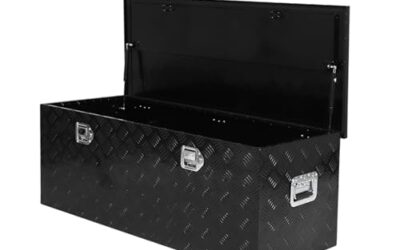
- Ignoring bed accessories. Toolboxes, liners, cargo, and rail caps can interfere with fit or installation. Check the cover’s fit requirements when adding or changing bed equipment.
When to get professional help
Contact the cover maker or an installer if a rail is bent, a panel is cracked, fabric has torn, a seam has separated, or a latch will not align after basic checks. Seek help if adjustment requires removing parts you cannot identify or if the cover instructions do not describe the problem.
Ask a shop to inspect fit when the cover repeatedly pools after correct installation checks, or when water enters the bed despite clear drains and seated seals. Bring the cover model, truck year and model, and details about bed liners, caps, or toolboxes. Those details can change fit and adjustment options.
For trucks used in cold or snowy conditions, ice and snow add separate concerns. Do not chip ice from a cover or place heavy snow loads on it unless its instructions allow that use. Our guides to tonneau covers for winter weather and truck bed mats for winter weather cover related cold-weather considerations.
Gear that can help
If you need tonneau covers for this job, these picks already appear in our tonneau covers guides. Check the full guide for fit and who should skip each one.

Specifications
| Size | 5.5 FT |
|---|---|
| Product Group | Automotive Parts and Accessories |
| Binding | Automotive |

Pros
- Broad listed compatibility across select Ram 1500, 2500, and 3500 models
- FRP and PP honeycomb construction
- Stated load-bearing capacity of up to 400 lb
- No-drill installation is not claimed, but the listing states installation does not damage the vehicle
Cons
- Compatibility is limited to listed 6.4- or 6.5-foot beds without Ram Box
- The listed fitment information does not cover every Ram configuration
Specifications
| Color | black |
|---|---|
| Size | 6.4ft Bed |
| Dimensions | 70.07 x 30.31 x 6.1 inches |
| Product Group | Automotive Parts and Accessories |
| Binding | Automotive |
Best For / Avoid If
Best for buyers prioritizing
- Broad listed compatibility across select Ram 1500, 2500, and 3500 models
- FRP and PP honeycomb construction
- Stated load-bearing capacity of up to 400 lb
Consider another option if
- Compatibility is limited to listed 6.4- or 6.5-foot beds without Ram Box
- The listed fitment information does not cover every Ram configuration

Pros
- Broad stated compatibility across specified Dodge Ram 1500 model years and body configurations
- FRP and PP honeycomb construction is listed for resistance to scratches and wear
- No-drill installation design
- Provides a locking function when the tailgate is closed
Cons
- Fitment is limited to specified Dodge Ram 1500 configurations with a 5.7-foot bed
- Installation relies on six clamps rather than a drilled mounting method
Specifications
| Color | black |
|---|---|
| Size | 5'7" |
| Dimensions | 71.65 x 26.37 x 5.7 inches |
| Product Group | Automotive Parts and Accessories |
| Binding | Automotive |
Best For / Avoid If
Best for buyers prioritizing
- Broad stated compatibility across specified Dodge Ram 1500 model years and body configurations
- FRP and PP honeycomb construction is listed for resistance to scratches and wear
- No-drill installation design
Consider another option if
- Fitment is limited to specified Dodge Ram 1500 configurations with a 5.7-foot bed
- Installation relies on six clamps rather than a drilled mounting method
Frequently asked questions
Can I leave water on a tonneau cover?
Remove standing water when practical, especially if it forms a deep or repeated puddle. Water adds load and may expose a sag or drainage issue. Use a soft tool or gentle flow of water, not a sharp edge that could cut or scratch the cover.
Should a tonneau cover be completely flat?
Not always. Some covers rely on a slight shape or support arrangement to move water toward their edges or drains. Follow the cover’s installation instructions rather than trying to create a perfectly flat surface.
Will tightening a soft tonneau cover stop pooling?
It may help if the instructions identify adjustable tension and the fabric has loosened. Pooling can also come from a shifted bow, poor fit, blocked drainage, or installation interference. Diagnose the cause before adjusting tension.
Why does my tonneau cover leak even after I clear the drains?
Water may enter through a displaced seal, loose mounting point, panel joint, or tailgate gap. Wind-driven rain can also reach areas that stay dry in a gentle hose check. Trace the entry point and inspect the relevant seal or hardware.
Can a bed liner cause water pooling?
It can affect how a cover mounts or sits, depending on liner and cover design. Check whether the liner is compatible with the cover installation and whether it blocks a rail, clamp, or drain path. Do not trim the liner without instructions for that setup.