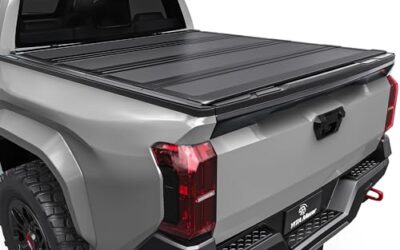
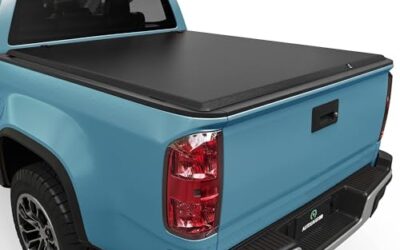
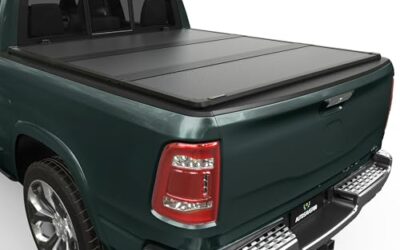
To clean tonneau cover drain tubes, find each tube’s outlet, remove loose debris, then flush the passage gently with water. Check your cover’s instructions first, because tube routing, removal methods, and access points vary by cover and truck.
Key takeaways
- Confirm where water is supposed to enter and leave before cleaning.
- Start with a visual check and gentle flushing, not forceful air or a rigid tool.
- Test the drainage path with a small amount of water and watch for leaks inside the bed.
- A clear tube cannot fix a damaged seal, poor cover fit, or blocked bed-side outlet.
- Follow the tonneau cover and vehicle instructions if access requires removing trim or panels.
What you need before cleaning tonneau cover drain tubes
Gather a flashlight, a soft cloth, and a small container of clean water. A soft flexible brush may help with debris near an accessible opening, but do not use a brush that can catch, scrape, or become stuck inside the tube. Avoid sharp wire, metal picks, and high-pressure air or water.
Park on a stable, reasonably level surface. Open or position the cover as its instructions allow, and move cargo away from the work area. If you need to reach under a raised cover, support it as directed. Do not rely on a cover panel or gas strut alone to hold a position if the instructions call for another support method.
Identify the cover’s make and model if possible. Some covers use flexible tubes from the rail corners to outlets near the front of the bed. Others route water differently or use parts that should not be pulled out for routine cleaning. Truck bed liners, bed caps, and toolboxes can also hide an outlet. Do not assume every cover has the same number or placement of tubes.
How to clean tonneau cover drain tubes
- Locate the drain openings. Look near the cover rails and corners for the points where water enters the tubes. Then inspect the outlets where the tubes discharge, often near the bed’s front corners. Use a flashlight and check for leaves, dirt, insect nests, or pinched tubing. Use the cover manual to confirm the route when openings are not clear.
- Remove visible debris by hand. Clear loose material from around each opening with your fingers or a soft cloth. Do not push debris deeper into the tube. If dirt is stuck at the entrance, lift it away rather than scraping the opening with a sharp object.
- Check the tube’s shape. Look for a kink, crushed section, disconnected end, or sharp bend that could restrict flow. Check accessible sections only. Do not pull a tube through a sealed panel or bed liner unless the cover instructions describe that procedure.
- Flush gently from the accessible end. Add a small amount of clean water at the drain inlet and observe the outlet. If the instructions permit removing the tube end, you can inspect that opening for debris and rinse it gently. Keep water pressure low. Forceful flushing can separate a connection or send water into an area that the drainage system does not protect.
- Use a soft flexible cleaner only when needed. If a blockage remains near an accessible opening, use a tool that bends easily and cannot puncture the tube. Work a short distance at a time, then flush gently. Stop if the tool meets firm resistance. A tube may bend or connect to a fitting where pushing harder could cause damage.
- Check for flow and leaks. Pour a small amount of water into the drain area and watch the outlet. Water should leave through the intended route. Also inspect the bed beneath and around the rail, tube connections, and outlet. If water appears inside the bed, stop and trace the route before adding more.
- Reinstall any parts you removed. Reconnect tube ends and clips as the cover instructions show. Make sure a tube is not kinked and its outlet is not blocked by cargo, a liner, or another accessory. If you cannot tell whether a fitting has locked into place, do not rely on it until you check the instructions.
What the water test can tell you
Water that enters the drain and exits at the expected outlet suggests the tube is open. It does not prove the cover is watertight. Water can still enter through a shifted rail, worn seal, damaged panel, or a gap at the tailgate. Some covers also allow limited water entry by design and direct it toward drains. Follow the cover maker’s guidance on expected water behavior.
| What you notice | Possible cause | Next safe check |
|---|---|---|
| Water pools near a rail corner | Debris at the inlet, a kinked tube, or a blocked outlet | Inspect the inlet and visible tube route, then flush gently |
| Water enters the bed but outlet stays dry | Blockage, disconnected tube, or outlet hidden by an accessory | Check accessible connections and locate the outlet before flushing again |
| Water exits the tube but cargo area still gets wet | Seal, fit, panel, or tailgate gap rather than a blocked tube | Inspect cover edges and identify where water first appears |
| Drainage slows after freezing weather | Ice or debris may restrict the route | Let ice thaw naturally; do not force a tool through frozen tubing |
Why cover and truck compatibility matters
Drain tubes are part of a specific cover’s water-management setup. Tube diameter, fittings, routing, and removal steps can differ across brands and models. A procedure that works on one folding cover may damage another cover’s rail or pull a fitting loose. Model year can matter when truck bed geometry, liners, or factory accessories change access to the outlet.
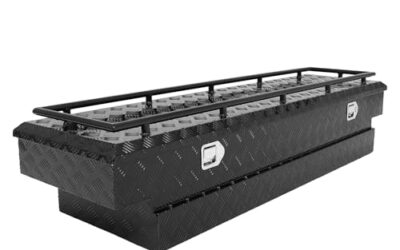
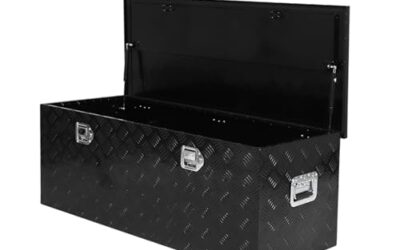
Check the cover manual for drain locations and approved cleaning steps. Check the truck owner’s manual before removing vehicle trim or drilling, cutting, or altering a bed liner. A toolbox or bed cap can cover an outlet and redirect water, so inspect accessories as part of the route. For help thinking through cover fit and truck-bed accessories, see our guide to tonneau cover fit with a toolbox.
Cold weather can complicate drainage if water freezes in a low point or outlet. Avoid poking at frozen tubing or pouring hot water onto cold cover parts. Thawing and inspection are safer first steps. Our cold-weather tonneau cover guide covers related fit and seasonal-use considerations.
Common mistakes
- Blowing compressed air into the tube. Pressure can disconnect a fitting or push water into the wrong area. Use gentle water flow instead.
- Using a stiff wire or sharp pick. These tools can puncture a flexible tube or damage a fitting. Use a soft, flexible cleaner only if the passage is accessible and the cover instructions allow it.
- Flushing before finding the outlet. Water may spill behind a liner or trim where a leak is hard to spot. Locate the route first.
- Assuming every wet bed means a clogged drain. A clear drain cannot correct a torn seal, poor rail alignment, panel damage, or water entering at the tailgate.
- Pulling tubes loose to inspect them. Some connections may not be meant for routine removal. Follow the model-specific instructions.
- Testing with too much water at once. Start small so you can spot a leak before water spreads through the bed.
When to get professional help
Stop and contact the cover manufacturer, an installer, or a truck accessory shop if a tube is split, disconnected behind an inaccessible panel, or still blocked after gentle cleaning. Get help if water appears inside trim, reaches electrical equipment, or continues entering the bed after the drain flows freely. Do not remove vehicle panels or alter wiring to reach a drain unless the applicable instructions describe that work.
Professional inspection also makes sense when the cover sits unevenly, a rail has shifted, a seal has torn, or the source of water is unclear. Ask the installer to identify the leak path and check both drainage and cover fit. Replacing or repositioning a tube will not solve a separate seal or alignment problem.
Gear that can help
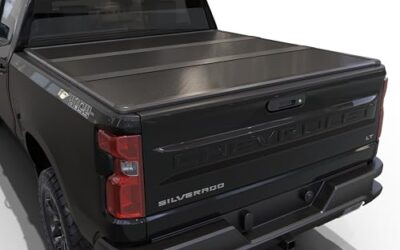
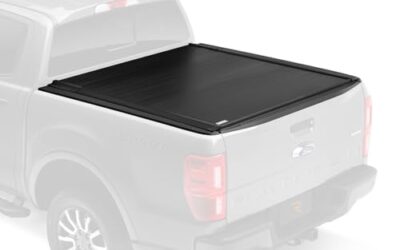
If you need tonneau covers for this job, these picks already appear in our tonneau covers guides. Check the full guide for fit and who should skip each one.

Pros
- Hard fiberglass construction
- No-drill clamp-on installation
- Includes six clamps, an extra weather strip, and a 60-month warranty
- Designed for a broad range of specified Silverado and Sierra 2500/3500 HD model years
Cons
- Not compatible with CarbonPro beds
- Fitment is limited to specified 6.9-foot standard-bed Silverado and Sierra 2500/3500 HD trucks
Specifications
| Color | Black |
|---|---|
| Size | 6.9ft for 20-26 2500 3500 |
| Product Group | Automotive Parts and Accessories |
Best For / Avoid If
Best for buyers prioritizing
- Hard fiberglass construction
- No-drill clamp-on installation
- Includes six clamps, an extra weather strip, and a 60-month warranty
Consider another option if
- Not compatible with CarbonPro beds
- Fitment is limited to specified 6.9-foot standard-bed Silverado and Sierra 2500/3500 HD trucks

Pros
- Uses heavy-duty 24oz marine-grade vinyl with aluminum support frames
- Fold-up crossbars allow full bed access when needed
- No-drill installation design
- 5-year US customer warranty
Cons
- Not compatible with 2019 Silverado 1500 LD, Sierra 1500 Limited, CarbonPro beds, or factory side storage boxes
- Over-the-bedrail bedliners require small holes to be cut for clamp installation
- Installing the cover interferes with the power tailgate
Specifications
| Color | Black |
|---|---|
| Size | 5.9ft Bed |
| Dimensions | 71 x 27 x 4 inches |
| Weight | 25.24 pounds |
| Product Group | Automotive Parts and Accessories |
| Binding | Automotive |
Best For / Avoid If
Best for buyers prioritizing
- Uses heavy-duty 24oz marine-grade vinyl with aluminum support frames
- Fold-up crossbars allow full bed access when needed
- No-drill installation design
Consider another option if
- Not compatible with 2019 Silverado 1500 LD, Sierra 1500 Limited, CarbonPro beds, or factory side storage boxes
- Over-the-bedrail bedliners require small holes to be cut for clamp installation
- Installing the cover interferes with the power tailgate

Pros
- Broad stated fitment covering 2007-2026 Silverado and Sierra 1500 models
- No-drill installation design
- Hard fiberglass construction with reinforced hinges and latches
- Includes a 60-month warranty
Cons
- Not compatible with CarbonPro beds
- Limited to 5.8-foot beds on the specified Silverado and Sierra 1500 models
Specifications
| Color | Black |
|---|---|
| Size | 5.8ft for 07-26 1500 |
| Product Group | Automotive Parts and Accessories |
Best For / Avoid If
Best for buyers prioritizing
- Broad stated fitment covering 2007-2026 Silverado and Sierra 1500 models
- No-drill installation design
- Hard fiberglass construction with reinforced hinges and latches
Consider another option if
- Not compatible with CarbonPro beds
- Limited to 5.8-foot beds on the specified Silverado and Sierra 1500 models
FAQ
How often should I clean tonneau cover drain tubes?
There is no schedule that fits every truck, cover, and parking environment. Check the openings when drainage slows, after leaves or dirt collect, and during routine cover care. Follow the cover maker’s maintenance schedule if it gives one.
Can I use compressed air to clear a tonneau drain tube?
Avoid it unless the cover instructions specifically approve that method. Air pressure can loosen a tube or force debris into a connection. Gentle flushing and removal of visible debris are safer starting points.
Why is my truck bed wet if the drain tube is clear?
Water may be entering past a rail seal, panel joint, tailgate gap, or damaged cover section. Check where the first water appears, not only where it collects. A clear outlet shows flow, not complete weather sealing.
Can I remove a drain tube to clean it?
Only if the instructions for your cover show how to remove and reinstall it. Some fittings can be damaged or become difficult to seal if pulled out incorrectly. Inspect visible sections first.